“Serving the Lord of Kaga not with the sword, but with the kitchen knife, the Funaki family has been known as “Kitchen Samurai” for generations. However, Yasunobu’s lack of culinary skills has placed the Funaki name in peril. To save her new family and its status as “Kitchen Samurai”, Haru decides to teach her new husband the refined art of Kaga cuisine from her point of view. Inspired by a true story.”
WARNING: May contains trace of spoilers! People allergic to the discussion of any plot’s elements before seeing a movie are strongly advised to take the necessary precautions for their safety and should avoid reading further.
This movie is based on a joseiyonkoma (4-panel comic strip aimed at an adult female readership) by Miri Masuda. This style of comic is very popular in Japan. S?-chan “follows the daily lives of women who deal with their anxieties regarding love and work”. It is published by Gentosha and “has sold over 280,000 copies” (up to March 2013). Four volumes have been released between April 2006 and November 2012 (the first volume came out in paperback in August 2009; a preview of the first six pages is available online — opposite: pp. 4-5). (Sources: ANN, Wikipedia Ja)
The movie adaptation, titled Sue, Mai & Sawa: Righting the Girl Ship, is a typical Japanese feel-good movie. However, despite the light tone, it seriously tackles the anxieties of Japanese single women. It tells the story of three women in their thirties who find themselves questioning their life situation and how they more or less succeed to find happiness.
Yoshiko Morimoto, nicknamed Sue-chan, is 34-year-old and works in a coffee shop where she can put to use her talent for cooking. She has feeling for the manager, but her hesitation prompts a younger, more aggressive colleague to secure his love before she can do anything. However, the owner ends up offering her the manager position. She’s insecure at first and makes mistake, but she slowly grows into the responsibility. She has good wisdom and is a great help to confort and give advise to her friends.
Maiko Okamura, nicknamed Mai-chan, is a 34-year-old office lady working in the sales department of an OA manufacturing company. She is stressed by the pressure at work and frustrated with the fact that her affair with a married man is going nowhere. When her dermatologist suggests that she should give up on some of her life’s problems, she decides to dump her boyfriend and registers with a marriage agency. One year later, she is married and pregnant. However, she worries that motherhood would change her, but finally learns to say goodbye to the woman she was and accepts whom she has become.
Sawako Hayashi, nicknamed Sawa-san, is a 39-year-old web designer. She helps her mother take care of the grandmother who’s bedridden and suffers from dementia. She worries that if she ever marry she would leave her mother to do the care-giving by herself. She meet by chance a former classmate and starts going out with him, but when he appears more concerned with having a descendance and requests a “fertility certificate”, she gets angry and dumps him. She comes to term with having to take care of her grandmother.
The movie feels a little like a sketch comedy in the beginning, but it quickly gets structured into a more uniform storytelling. It might have been intentional, in order to allude to the original 4-panel format which is, by definition, a series of short stories ending with a punch. Food is also a recurring theme in the movie (and a theme shared by all three movies screened at the festival this year) as the friends always gathered around a meal to discuss their problems. But since Ozu it seems that food and meals has been a frequent theme in Japanese movies.
All in all, Sue, Mai & Sawa is an interesting movie that provide some reflection about life and a good entertainment.
Sue, Mai & Sawa: Righting the Girl Ship (????????????????? / Sû chan Mai chan Sawako san). Japan, 2013, 106 min.; Dir.: Osamu Minorikawa; Scr.: Sachiko Tanaka (based on the 4-koma by Miri Masuda); Phot.: Gen Kobayashi; Prod.: Yoshitaka Takeda; Cast: Yôko Maki, Shinobu Terajima, Kou Shibasaki, Shota Sometani, Arata Iura, Hana Kino, Gin Pun Chou, Akiko Kazami, Megumi Sato, Mio Uema, Aoi Yoshikura, Ai Takabe.
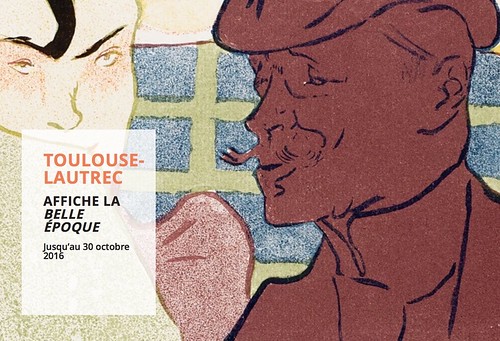
“Cette exposition présente une collection particulière d’exception qui comprend plus de quatre-vingt-dix estampes et affiches, document.write(“”); couvrant presque toute la période de la production lithographique de Toulouse-Lautrec, de 1891 (…) à 1899.”
Même si on y retrouve que les affiches de Toulouse-Lautrec (pas de peintures), c’est tout de même très intéressant. Lautrec était vraiment un illustrateur de talent. Toutefois, c’est une petite exposition qui ne comprend que quelques salles et j’en ai donc fait le tour assez rapidement (en un peu plus d’une heure). Comme à mon habitude, j’ai photographié les pièces de l’exposition qui m’interpellaient le plus afin de garder un petit souvenir de ma visite.
Voici un bref diaporama des mes photos que j’ai converti en video sur Vimeo:
Not much happened this week. Same old, same old, as we say. Some aberrations at work keep exasperating me (but there’s only 552 more weeks to endure). On the way back from a doctor’s appointment, my wife and I walked through the mountain to admire the colours of fall. It was superb and I wonder why we don’t do this kind of walk more often. We’ve also spent time watching more of the American presidential insanities, two excellent animated features (Miss Hokusai and Osamu Tezuka’s Buddha Movie 1: The Red Desert! It’s Beautiful) as well as a new episode of Poldark. For my part, I’ve also started a promising new series (Westworld) and watched the season finale of Halt and Catch Fire. And I probably did a zillion other things (like updating my anime & manga bibliography) that I can’t even remember. But, does it really matter?
However, I do remember that I managed to find some time to stay acquainted with the affairs of the world. I therefore share with you a few notable news & links that I came across lately (in no particular order):
Si l’on consulte la présentation budgétaire, on constate que l’arrondissement entend donner priorité à la circulation en toute sécurité, au développement durable, soutien au développement économique local de même que le maintien et la bonification des services offerts en culture, sports, loisirs, parcs et développement social.
$24,414,100 du budjet (42.3%) est d’ailleurs consacré à la culture, sports, loisirs, parcs et développement social, incluant $7,098,900 (12.3%) spécifiquement pour la culture et les bibliothèques.
Toutefois, le Journal de St-Michel (du mercredi 12 octobre 2016, p. 3 — malheureusement il n’y plus de page web où je pourrais vous référer) ajoute que selon le programme triennal d’immobilisation (PTI) 2017-1019 adopté le 6 septembre dernier, l’arrondissement investira $20.943M dans l’amélioration de ses installations et infrastructures, et que la ville-centre y investira plus de $90M, incluant $30M pour la réalisation de la nouvelle bibliothèque de Villeray et la mise aux normes des deux glaces de l’aréna de Saint-Michel.
Le remplacement de la bibliothèque Le Prévost par une bibliothèque plus grande et plus moderne avait déjà été annoncé en septembre 2013 (Tournesol vol. 6 #2, Journal Métro, Plateau Arts et Culture, Bibliothèques Montréal). En effet, dans le cadre du Programme de rénovation, d’aménagement et de construction des bibliothèques publiques de Montréal (RAC), la bibliothèque Le Prévost — renommée bibliothèque de Villeray — déménagera dans un tout nouvel immeuble de près de 3000 mètres carrés qui sera construit sur un terrain adjacent au Patro Le Prévost, sur l’avenue Christophe-Colomb. Le ministère de la Culture et la Ville de Montréal y investiront $14,5M et l’arrondissement y consacrera $4,2M.
Il semble donc que cette nouvelle bibliothèque de Villeray deviendra réalité dans les trois prochaines années.
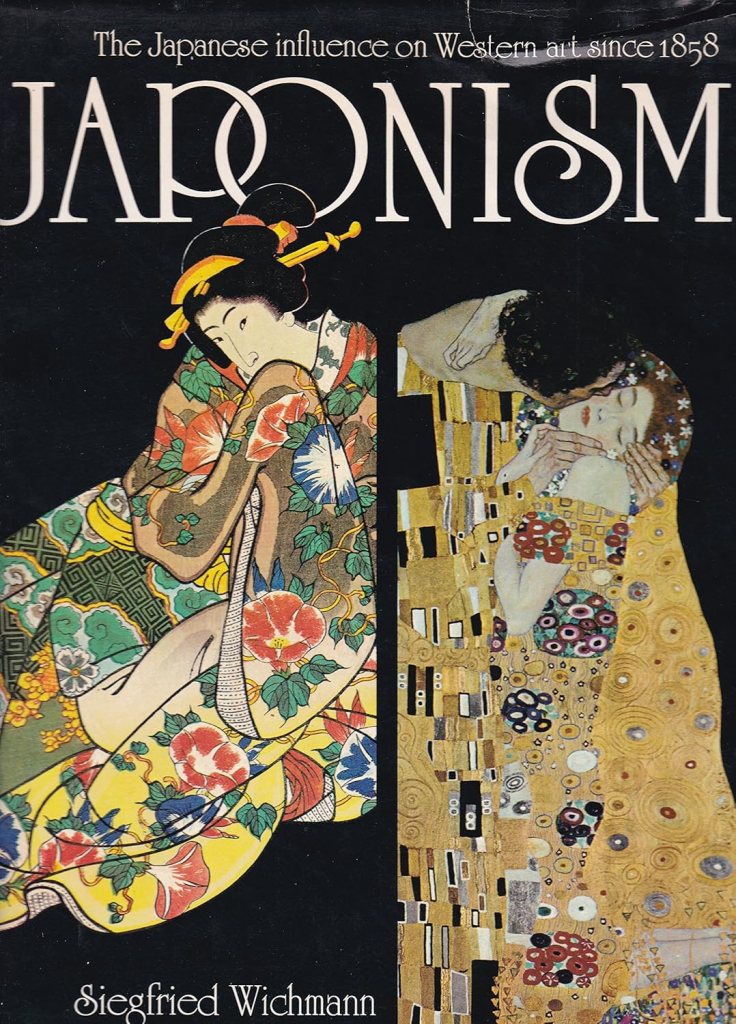
Many elements of the Japanese teens subculture are generated, influenced or more often simply expressed by anime & manga: otaku, enjo kōsai (teenage prostitution), hikikomori, karoshi (overwork death), idols, cosplay (as well as various fashion styles like gothic lolita, kogal or ganguro), hentai (including yaoi [“Boys’ Love”, i.e. manga showing romantic relationships between male characters], yuri [“Girls’ love”], lolicon [underage love], panchira [panties shots] and burusera [stores for panties & school uniforms fetishists]), manga café, kawaii, moe — just to name the few that quickly come to mind. Also, Japanese (pop)culture is having (as it often had in the past, i.e. “japonisme”) a great influence on our western culture (and particularly, lately, on the teen pop-culture, with the so-called Japanification).
Therefore, this is a subject particular enough to deserve a separate entry in my “Anime & Manga Bibliography”. (The titles I own are with a green background).
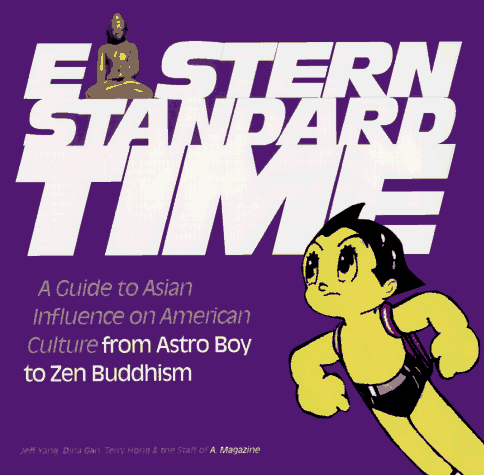
(Collectif). Eastern Standard Time: A Guide to Asian Influence on American Culture from Astro Boy to Zen Buddhism. Boston, Mariner Books, 344 pg. $24.95. ISBN 978-0-395-76341-X.
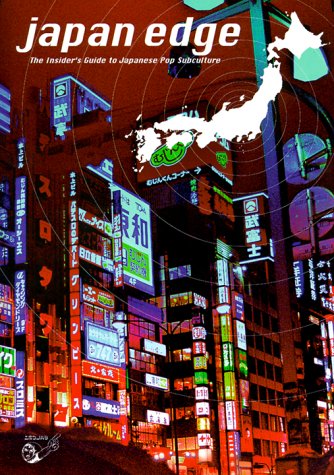
(Collectif). Japan Edge: The Insider’s Guide to Japanese Pop Subculture. San Francisco, Cadence Books, 1999. 200 pg. $19.95 US / $29.95 Can. ISBN 978-1-56931-345-8.
AZUMA, Hiroki (Translated by Abel, Jonathan E. & KONO, Shion). Otaku: Japan’s database animals. Minneapolis, University of Minnesota Press, 2009. 144 pg. ISBN 978-0-8166-5352-2.
MACWILLIAMS, Mark W. (Ed.). Japanese Visual Culture. Explorations in the World of Manga and Anime. Armonk NY, ME Sharpe/East Gate, 2008. 352 pg. ISBN 978-0765616029.
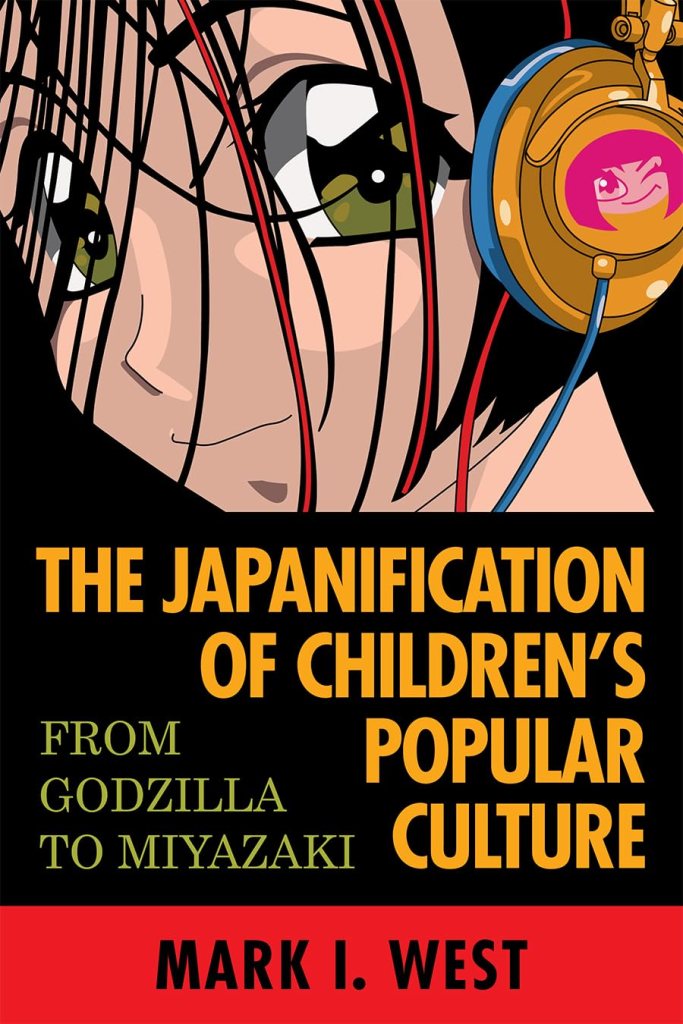
WEST, Mark I. (Ed.). The Japanification of Children’s Popular Culture: From Godzilla to Miyazaki. Lanham, Scarecrow Press, 2009. 294 pg. ISBN 978-0-8108-5121-4.
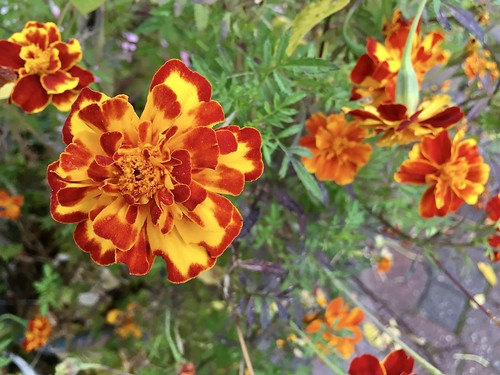
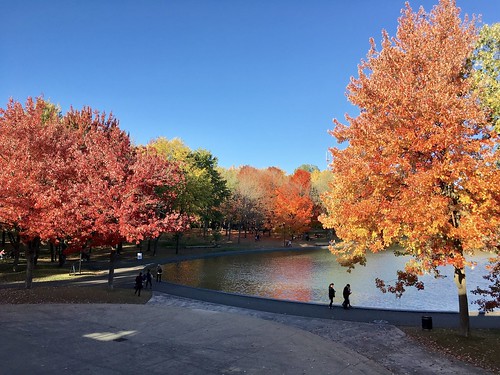
(Nikkon D3300 / iPhone 6s, document.write(“”); Parc de l’Île-de-la-Visitation, 2016-10-09)
P.S. Bonne Action de Grâce à tous ! / Happy Thanksgiving for all (Canadians)
In the last couple of weeks I felt deprived of all my energy. I couldn’t do or write much. All I did was updating my “Anime & manga bibliography” (and it’s far from finished). Depressingly, the news were dominated by the US election mud slinging. However, I discovered by chance a new french pop singer named Zaz (iTunes, Wikipedia, Youtube) — a great scratchy voice — and, with my wife, I’ve finished watching the fourth season of Mr. Selfridge as well as the mini-series And Then There Were None (a recent British-american adaptation of the famous Agatha Christie’s novel).
If the crazy pace at work (btw, only 553 weeks left!) can sometimes break my spirit (or, like now, my back!), there’s always something to rejuvenate my soul. Earlier today I took, with my wife, a long walk through the park of the Île-de-la-Visitation, observing the nature, the river, the automnal colours, and visiting the Sault-au-Récollet mill as well as the maison du pressoir. It was beautiful. I took several nice pictures.
Finally, of course, I still found a little time to stay acquainted with the affairs of the world. I therefore share with you a few notable news & links that I came across lately (in no particular order):
Between friends: Monday, May 30, 2016
Non Sequitur: Monday, May 30, 2016
Between friends: Tuesday, May 31, 2016
Dilbert: Tuesday, May 31, 2016
[ Traduire ]
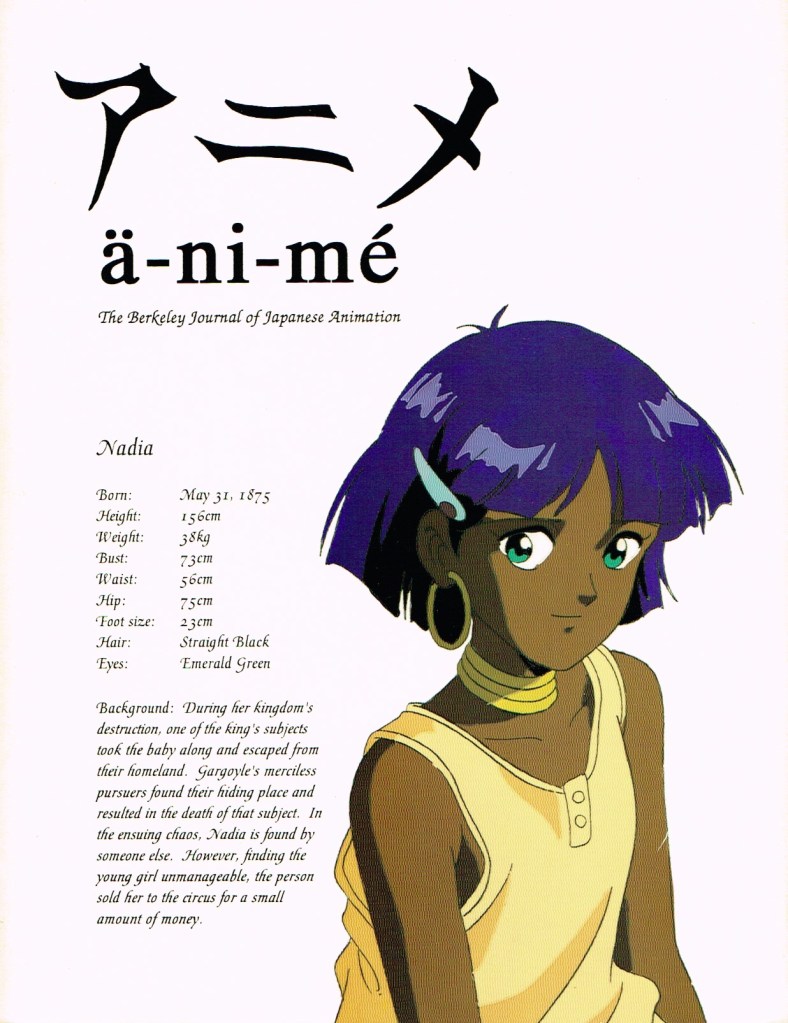
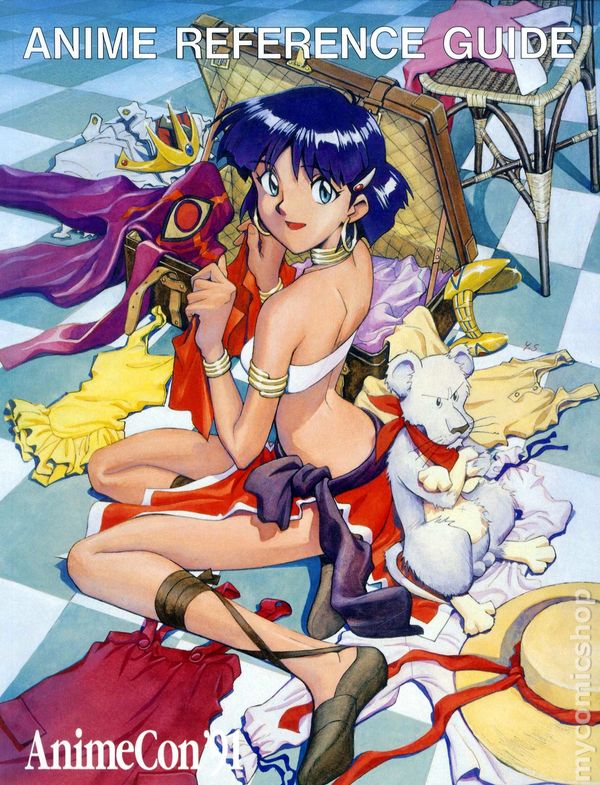
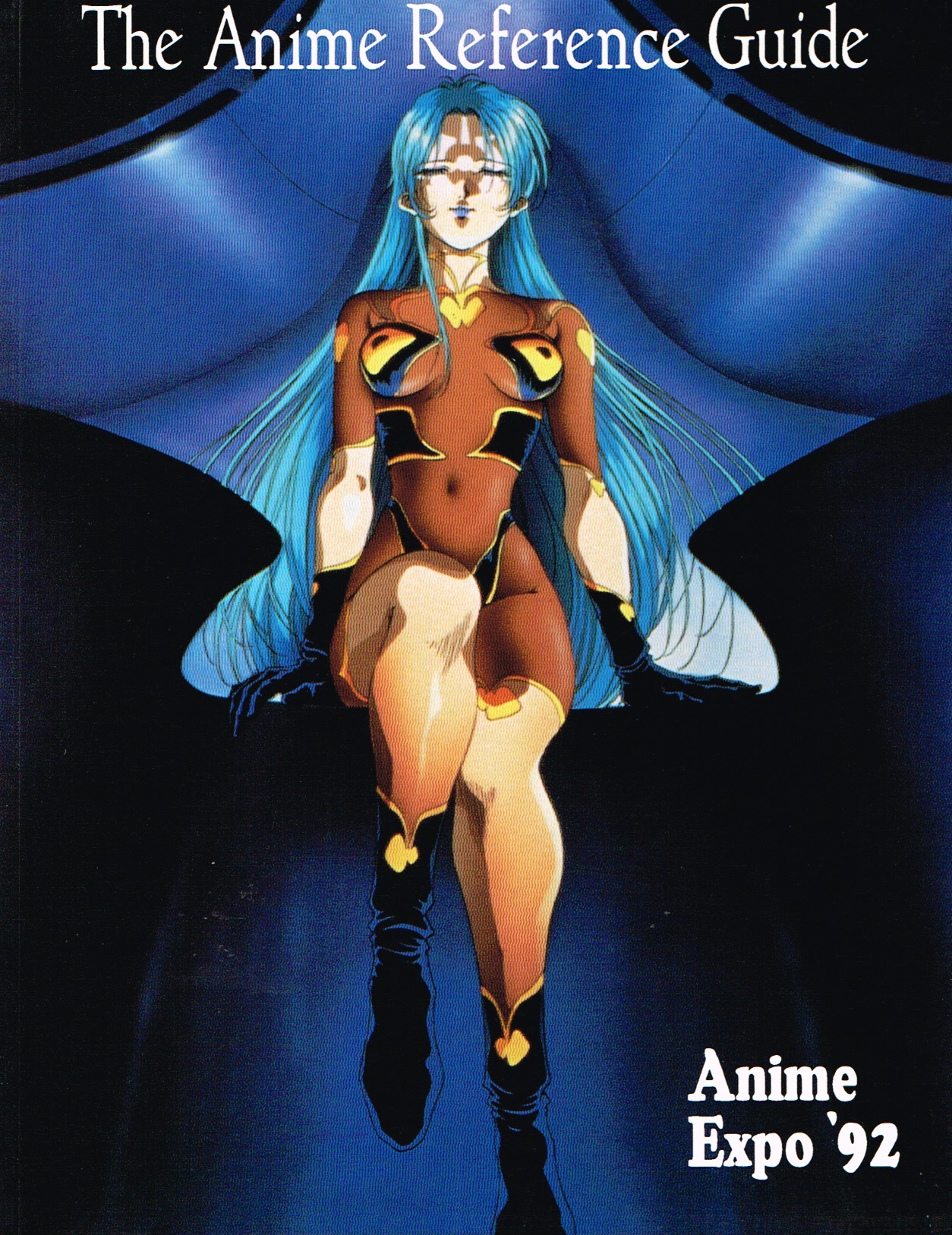
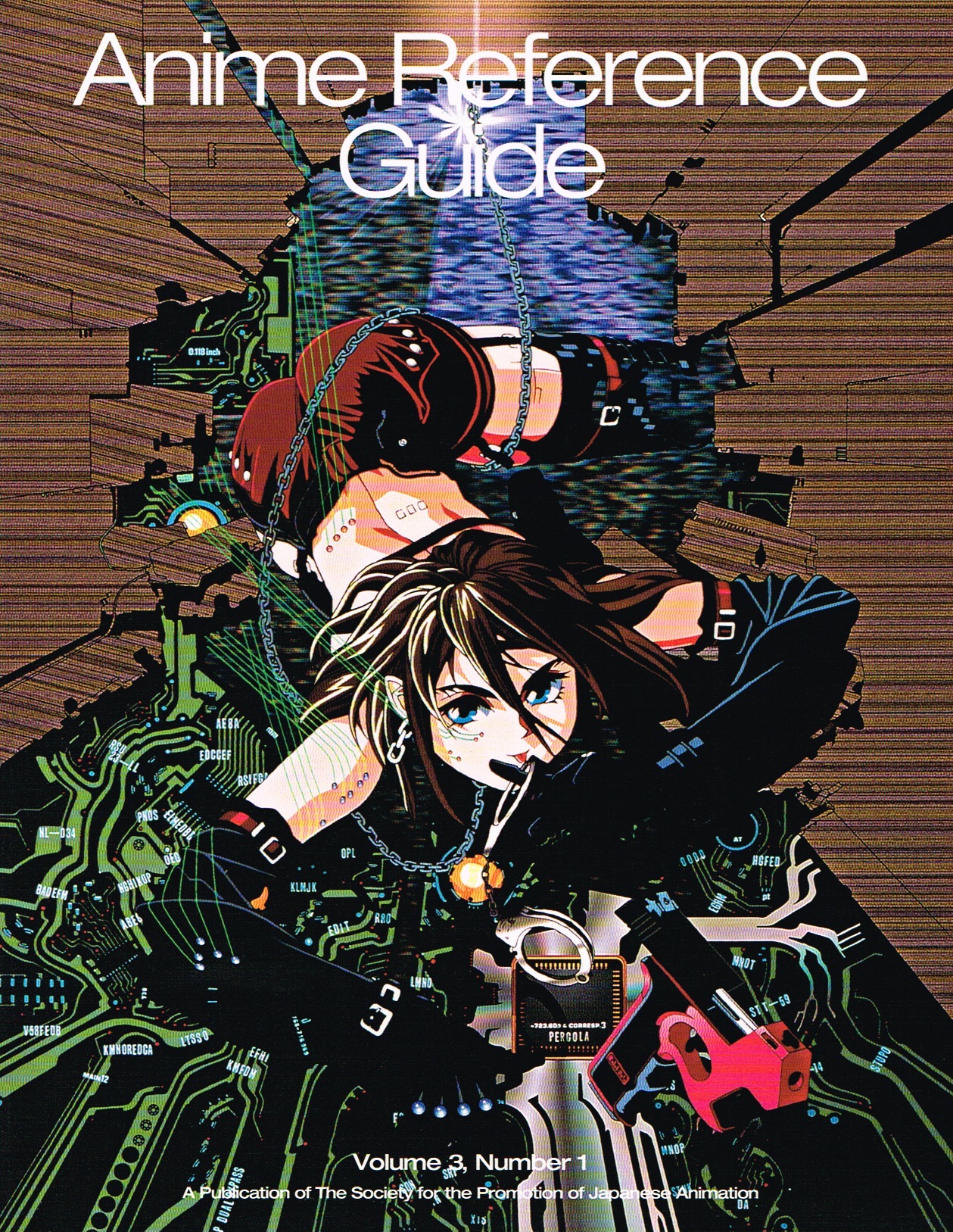
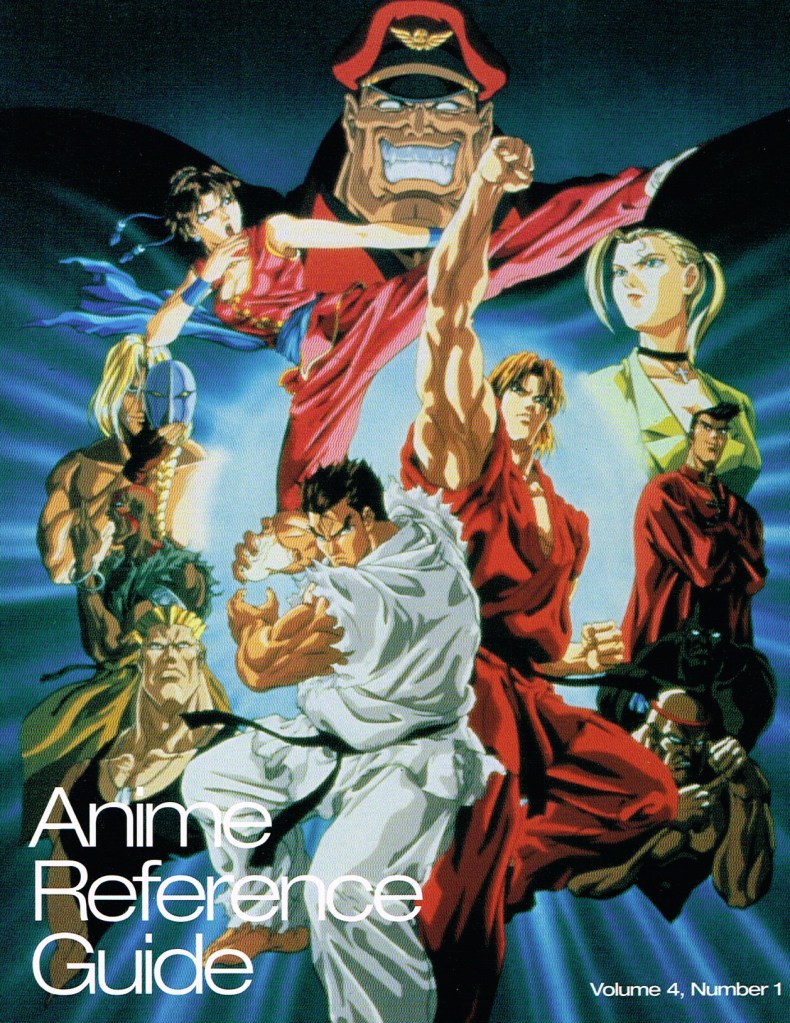
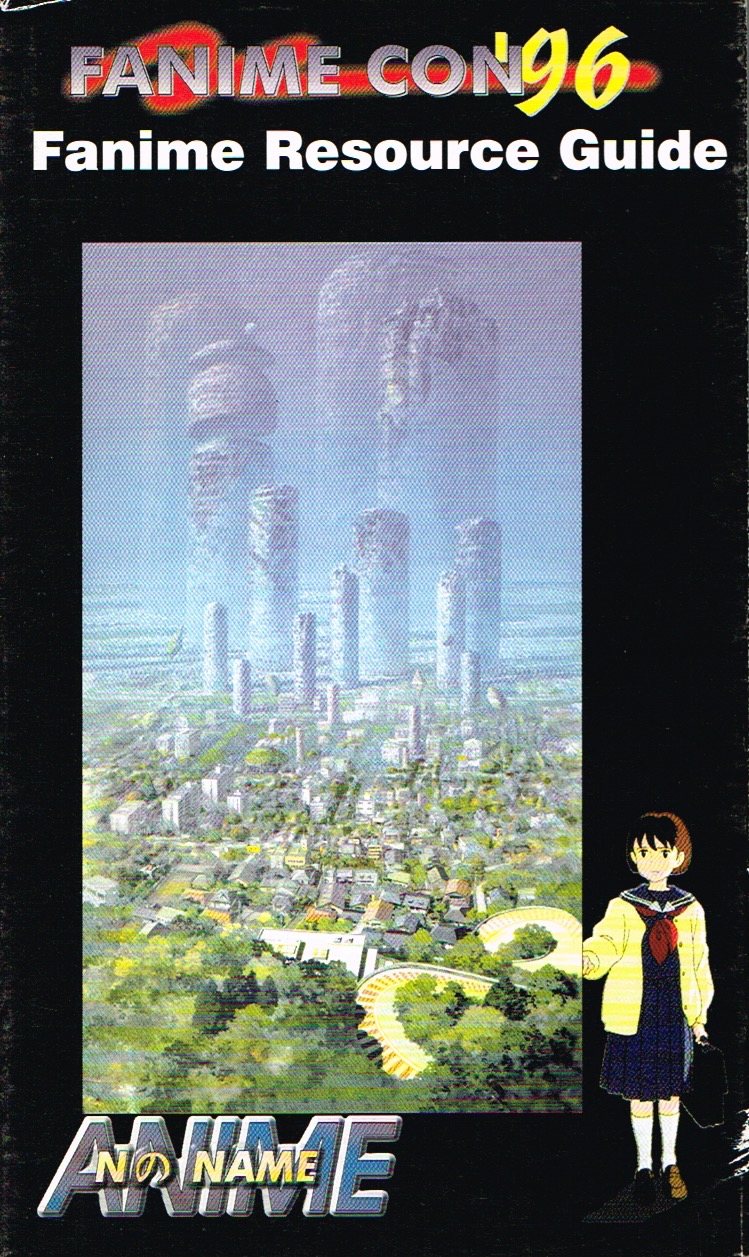
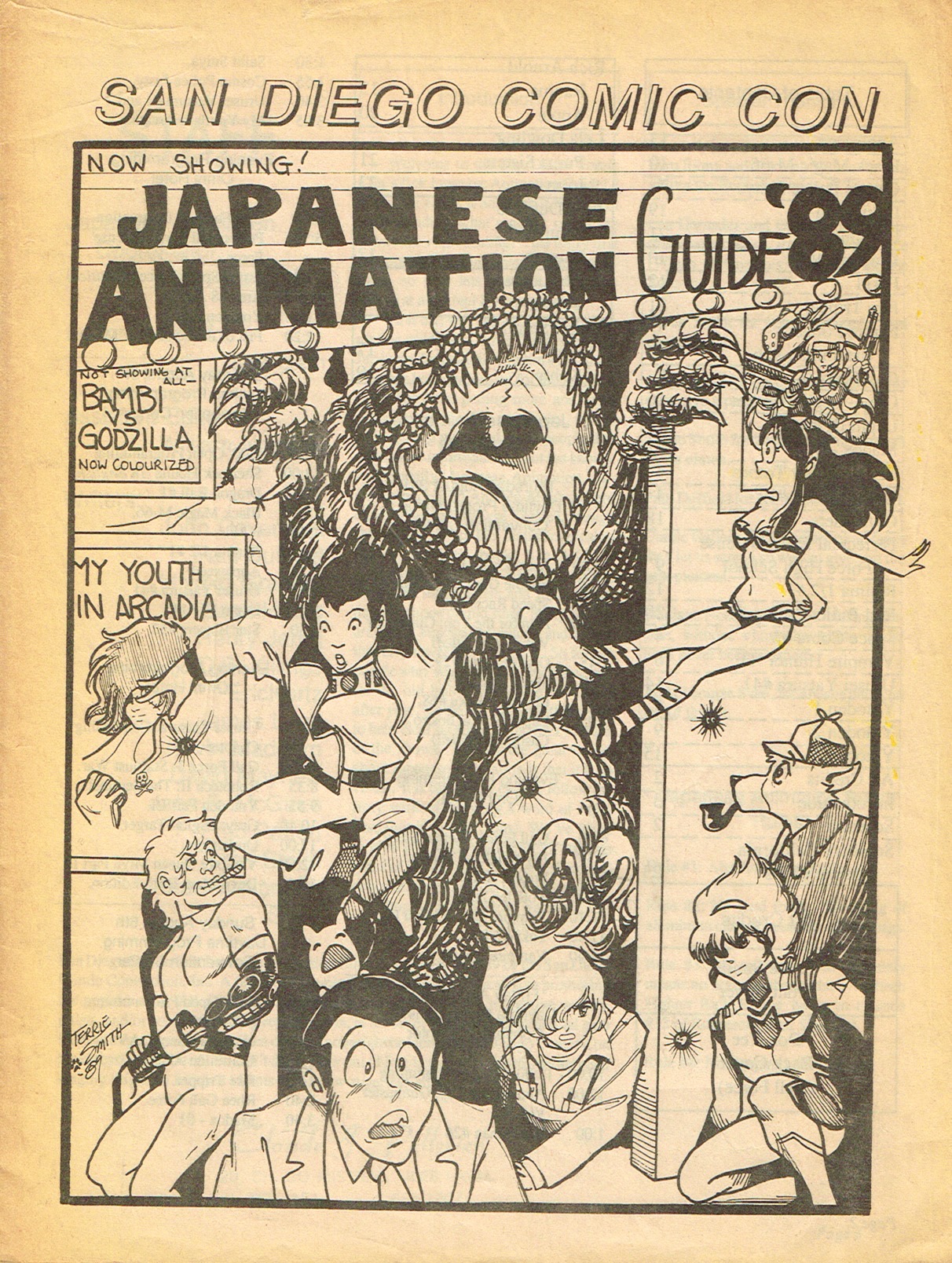
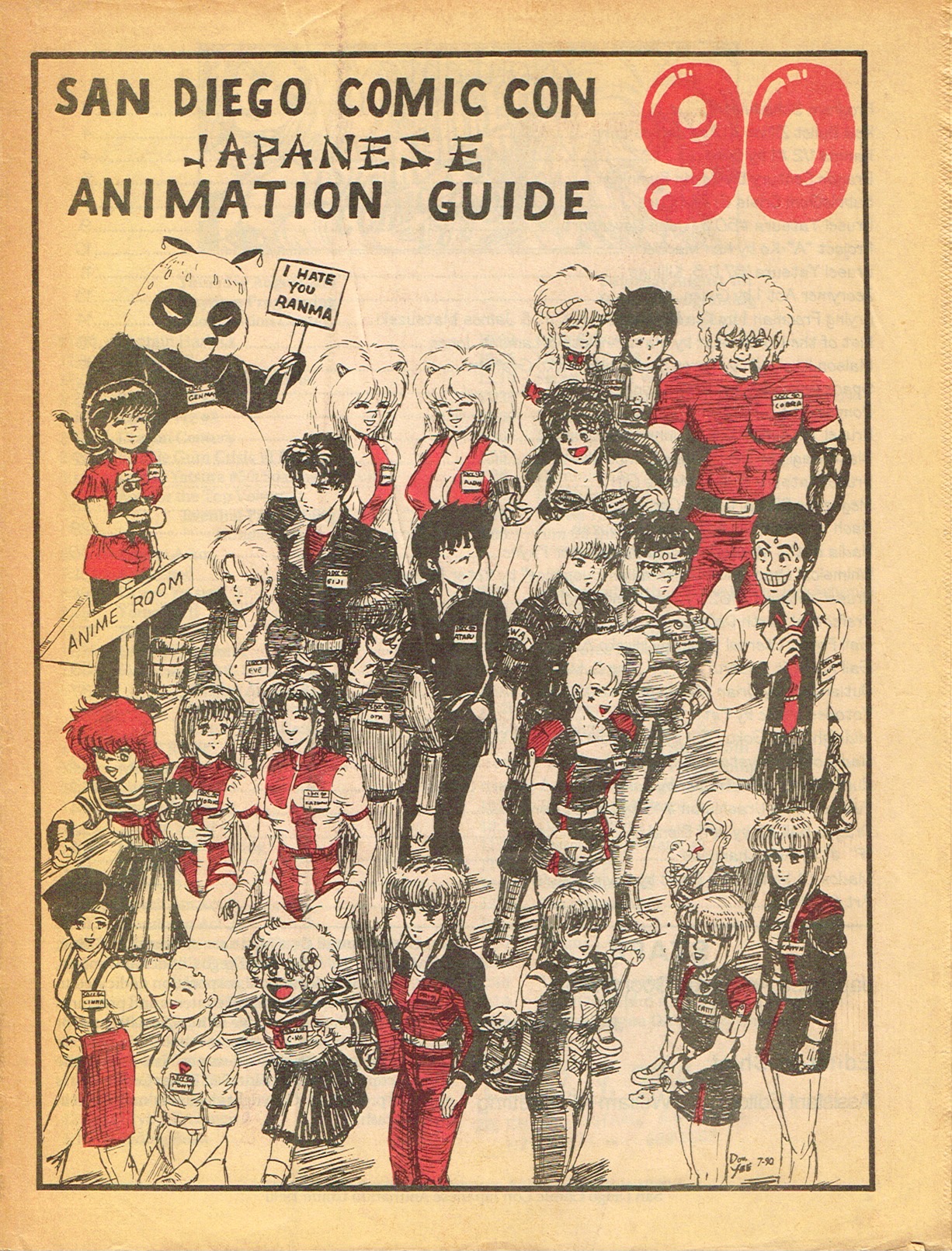
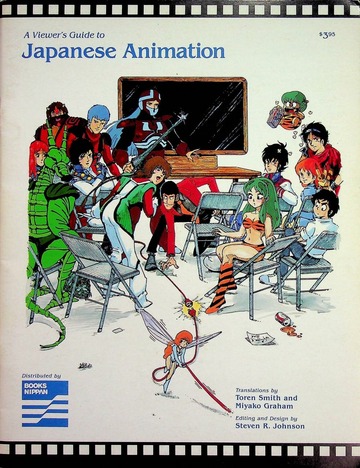
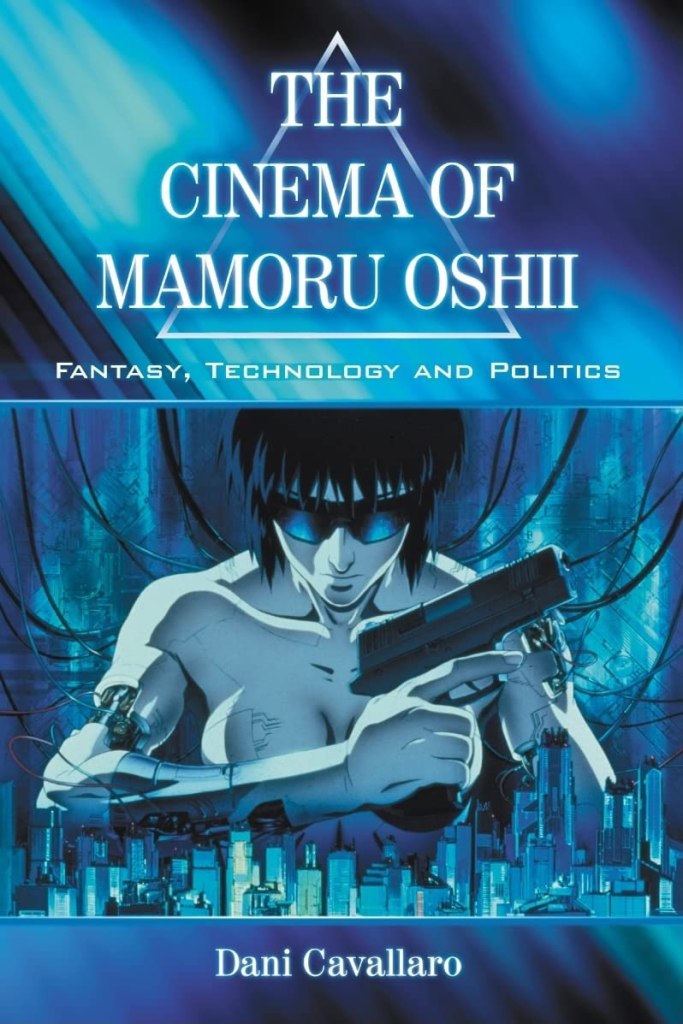
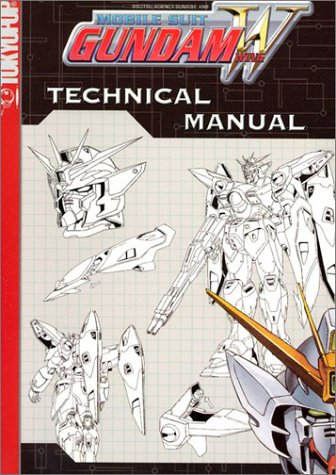
We continue our “Anime & Manga Bibliography” — started with the “Essential References” — with more useful anime & manga references.
The books we own are on a green background. We have corrected the images’ links and added pertinent links for those who want further details about the listed references. [Last update: 2024/12/30]
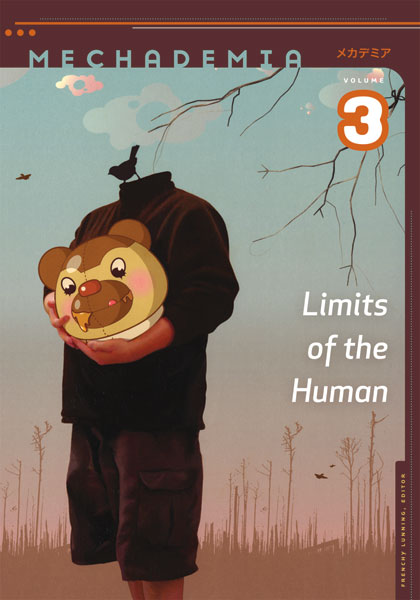
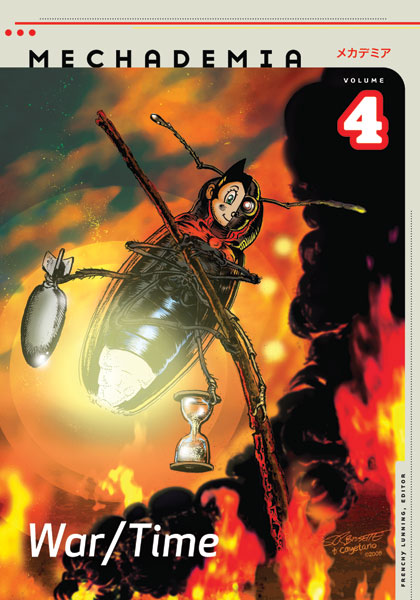
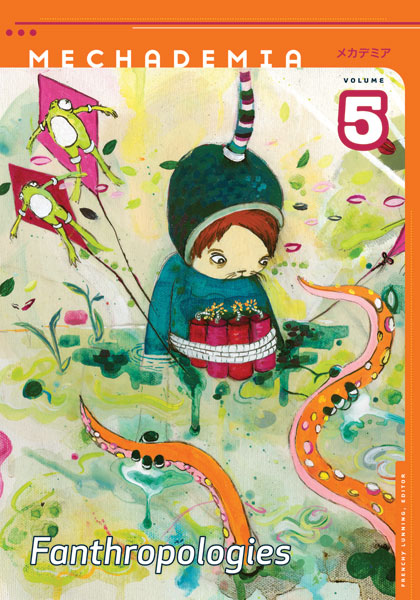
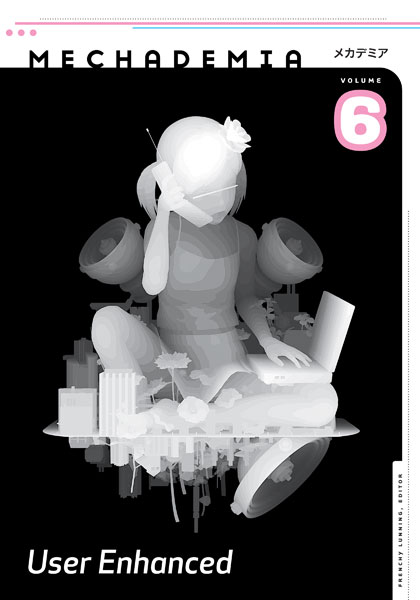
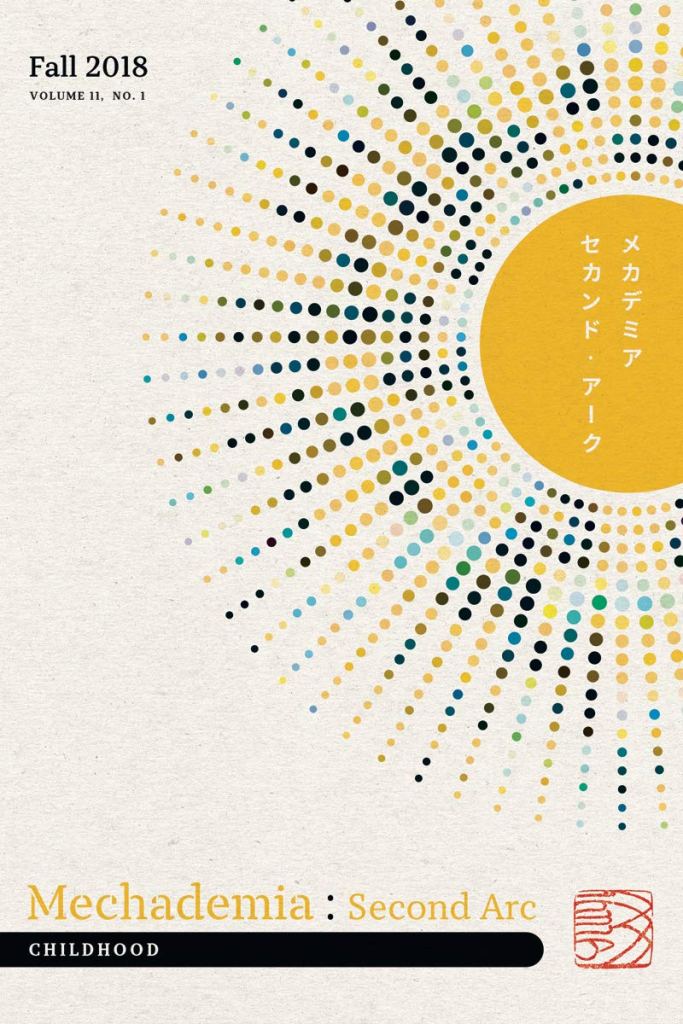
LUNNING, Frenchy & ANNETTE, Sandra (Eds.). Childhood (Mechademia 11.1). Minneapolis, University of Minnesota Press, July 2019. 192 p. $24.95 US. ISBN 9781517906351.
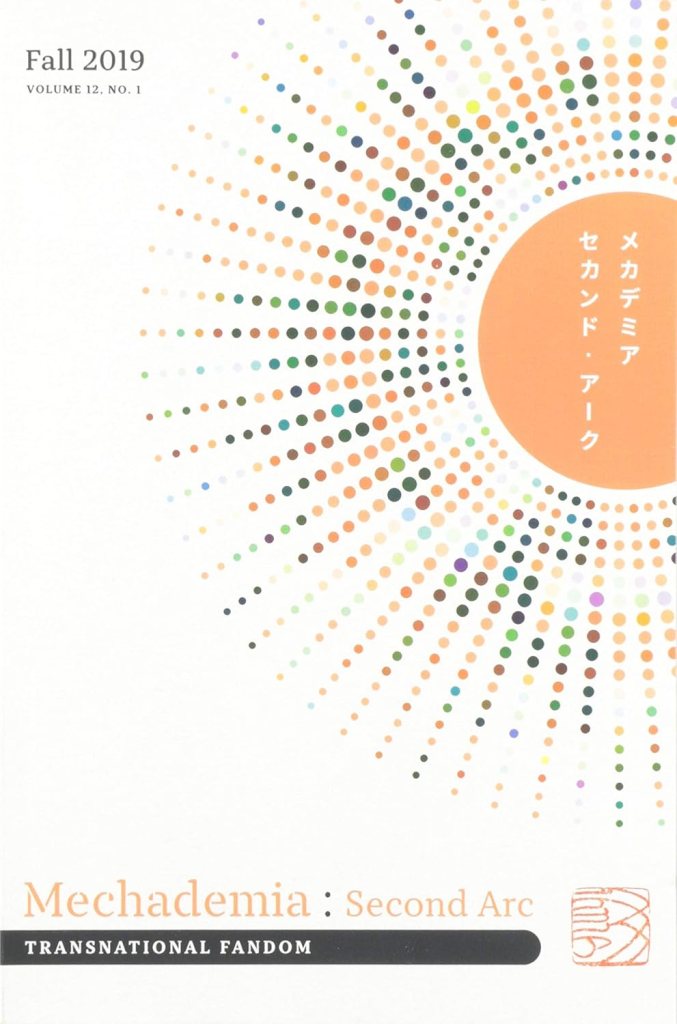
LUNNING, Frenchy & ANNETTE, Sandra (Eds.). Transnational Fandom (Mechademia 12.1). Minneapolis, University of Minnesota Press, June 2020. 200 p. $25.00 ISBN 9781517908423.
LUNNING, Frenchy & ANNETTE, Sandra (Eds.). Asian Materialities (Mechademia 12.2). Minneapolis, University of Minnesota Press, June 2020. 168 p. $25.00 ISBN 9781517908430.
MACWILLIAMS, Mark W. (Ed.). Japanese Visual Culture. Explorations in the World of Manga and Anime. Armonk NY, ME Sharpe/East Gate, 2008. 352 pg. ISBN 978-0765616029.
SCHMIDT, Jérôme. Génération manga: Petit guide du manga et de l’animation japonaise. Paris : Librio, 2004. 94 pg. ISBN 978-2290333150. € 2.00. [in french]
CAVALLARO, Dani. Anime Intersections: Tradition and Innovation in Theme and Technique. Jefferson NC: McFarland, 2007. 210 pg. ISBN 978-0-7864-3234-9. $35.
DRAZEN, Patrick. Anime Explosion! The What? Why? & Wow! Of Japanese Animation. Berkeley, Stone Bridge Press, 2003. 376 pg. ISBN 1-880656-72-8. $18.95 US.
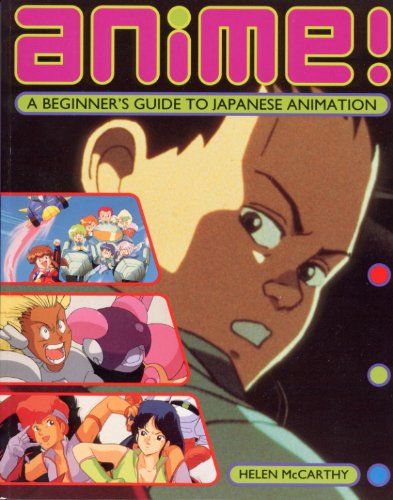
McCARTHY, Helen. The Anime! Movie Guide. Movie-by-Movie Guide to Japanese Animation. Woodstock, The Overlook Press, 1997. 285 pg. ISBN 0-87951-781-6. $17.95 US.
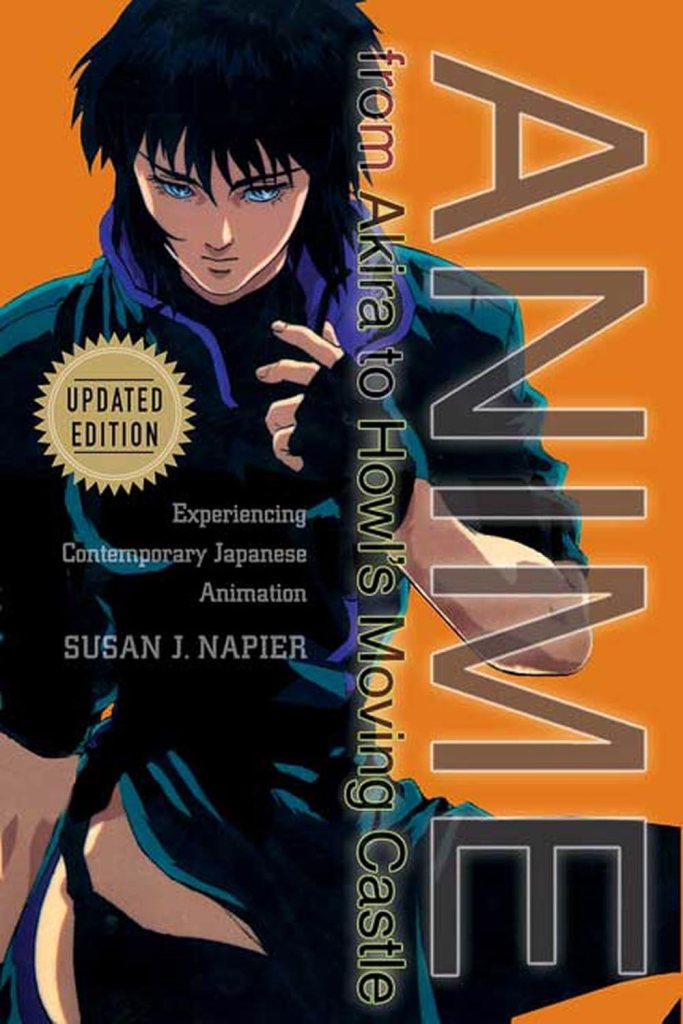
NAPIER, Susan J. Anime: From Akira To Princess Mononoke. Experiencing Contemporary Japanese Animation. Updated Edition. New York, Palgrave, 2005. 356 pg. ISBN 978-1403970527. $17.95 US / $23.95 Can.
POITRAS, Gilles. Anime Companion (The). What’s Japanese in Japanese Animation? Berkeley, Stone Bridge Press, 1999. 163 pg. ISBN 1-880656-32-9. $16.95 US.
VILLA, Mickie & MASON, Tom (Eds.) Leiji Matsumoto’s Space Pirate Captain Harlock The Original Television Scripts, vol. 1 (Eps 1-6). Malibu Graphics, 1990. 146 pages. $19.95 US / $23.35 Can. ISBN 0-944735-63-0.
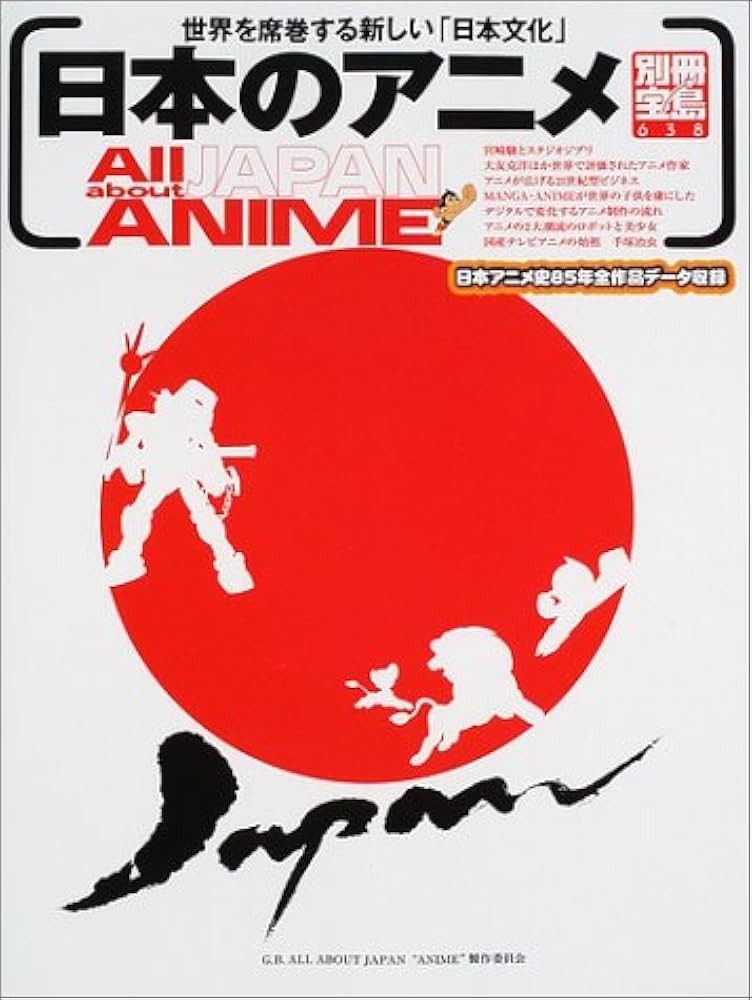
All About Japan Anime [日本のアニメ―世界を席巻する新しい「日本文化」 / “Japanese Anime: The New “Japanese Culture” Sweeping the World”]. Tōkyō : Takarajimasha (Bessatsu Takarajima #638), April 2002. 194 pages. ¥1,143. ISBN 4-7966-2626-3. [In Japanese]
Tatsunoko Pro Anime Super Data File [タツノコプロアニメ大全史]. Tatsumi Publishing, February 1998 [Heisei 10]. 160 pages. ¥2,000. ISBN 4-88641-277-7. [In Japanese]
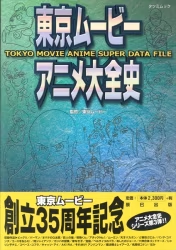
Tokyo Movie (TMS) Anime Super Data File [東京ムービーアニメ大全史]. Tatsumi Publishing, October 1999 [Heisei 11]. 176 pages. ¥2,300. ISBN 4-88641-409-5. [In Japanese]
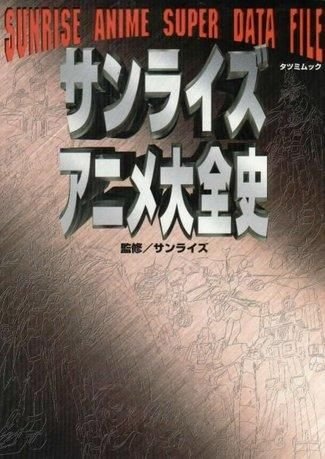
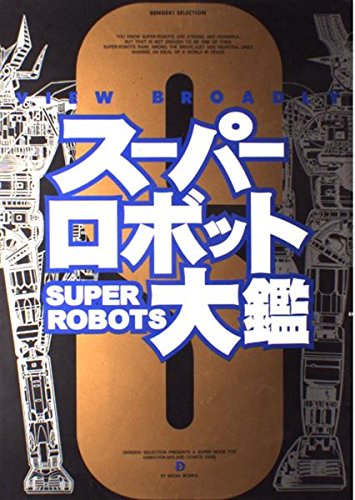
View Broadly Super Robots [スーパーロボット大鑑 / “Sūpā robotto taikan”]. Media Works (Dengeki Selection), February 1997. 128 pages. ¥1,650. ISBN 4-07-305544-5. [In Japanese]
(Collectif). Critical Survey of Graphic Novels: Manga. Hackensack, Salem Press (Coll. Critical Survey of Graphic Novels), Septembre 2012. 400 pages, 2.5 x 20.3 x 26.7 cm, $195 US / $226.20 CND, ISBN 978-1587659553. Available as ebook (electronic format). Readership of 14+. (See short sample).
ALLISON, Anne. Permitted and Prohibited Desires: Mothers, Comics and Censorship in Japan. Hardcover: Boulder, Westview Press, 1996. 224 pg. ISBN 0-8133-1698-7. Paperback: Berkeley, University Of California Press. ISBN 0-520-21990-2.
KANNENBERG, Gene. 500 Essential Graphic Novels. The Ultimate Guide. New York, HarperCollins / Collins Design, 2008. 528 pg. ISBN 978-0061474514. $24.95 US / $26.95 CDN.
KINSELLA, Sharon. Adult Manga: Culture and Power in Contemporary Japanese Society. Honolulu, University of Hawaii Press, 2000. 228 pg. ISBN 0-8248-2318-4.
ORSINI, Alex. Naoki Urasawa: L’air du temps. Montélimar, les moutons électriques (vol. 8 de la «la bibliothèque des miroirs-BD»), mai 2012. 252 pages, 17 x 21 cm, 63 € / $56.95 Cnd, ISBN 978-2-36183-076-2. Lectorat de 14 ans et plus.
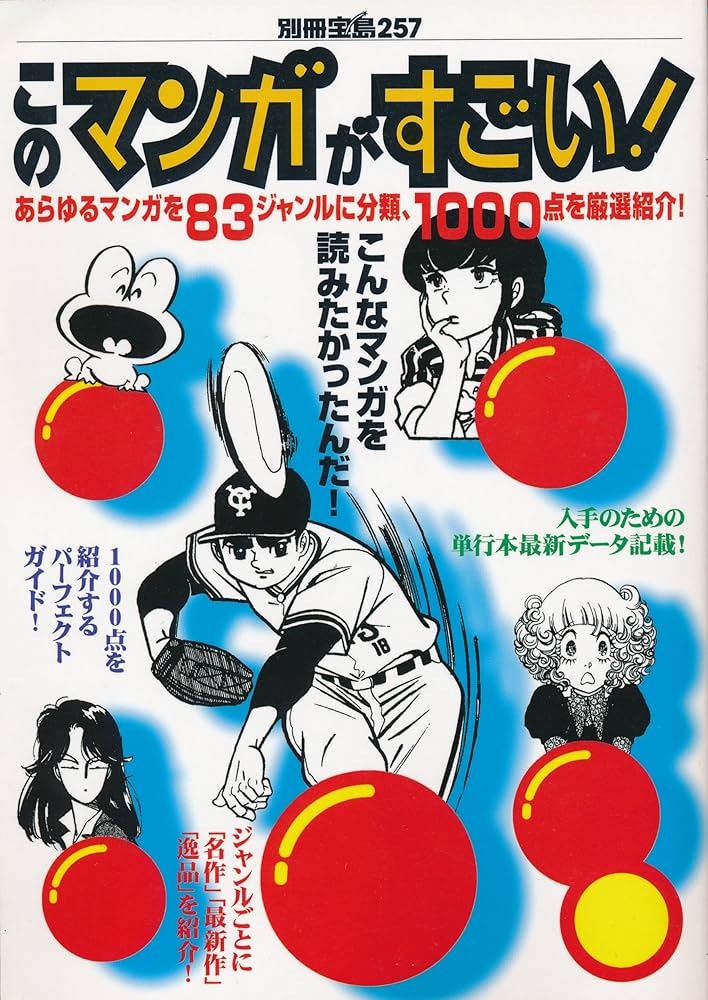
このマンガがすごい: あらゆるマンガを83ジャンルに分類、1000点を厳選紹介! 別冊宝島257 [This Manga is Amazing: All kinds of manga are categorized into 83 genres, and 1000 carefully selected works are introduced!]. Takarajimasha (Bessatsu takarajima [Special Edition Treasure Island] #257), May 1996. 255 pages. ISBN 978-4796692571. 855円 [In Japanese]
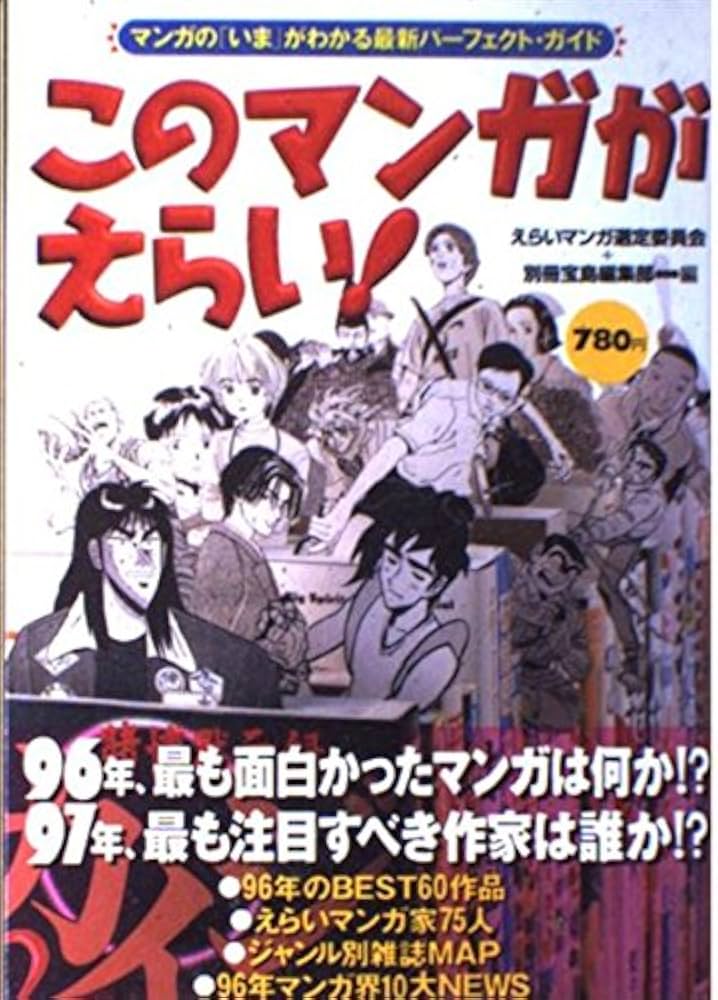
このマンガがえらい!―マンガの「いま」がわかる最新パーフェクト・ガイド [This manga is great! – The latest perfect guide to the latest manga]. Takarajimasha, December 1996. 132 pages. ISBN 978-4796611695. ¥1,000 [In Japanese]
A Tale of Samurai Cooking: A True Love Story (????? / Bushi no kondate). Japan, 2013, 121 min., drama, dir.: Yûzô Asahara, with Aya UETO, Kengo KÔRA, Kimiko YO, Toshiyuki NISHIDA. Read our comments on this movie.
Haru has an excellent sense of taste and unsurpassed skill in the kitchen, but her impetuous character leads to her husband asking for a divorce after only a year of marriage. One day, she is approached by Dennai Funaki, a samurai chef from Kaga, to marry his son and heir, Yasunobu.
Serving the Lord of Kaga not with the sword, but with the kitchen knife, the Funaki family has been known as “Kitchen Samurai” for generations. However, Yasunobu’s lack of culinary skills has placed the Funaki name in peril. To save her new family and its status as “Kitchen Samurai”, Haru decides to teach her new husband the refined art of Kaga cuisine from her point of view. Inspired by a true story. (Text from the Cinémathèque website)
Drops of Heaven (????? / Ten no shizuku Tatsumi: Yoshiko inochi no sûpu). Japan, 2012, 113 min., documentary, dir.: Atsunori Kawamura, with Yoshiko Tatsumi.
A cooking guru serves wisdom, one soup at a time. In this heartwarming documentary, discover 88-year-old culinary artist Yoshiko Tatsumi and her “Soup of Life”, a soothing dish she ingeniously created for her bed-ridden father. As seasonal crops grow in the beautiful and delicate landscapes of Japan, Yoshiko Tatsumi brings out the best of ingredients, cooking with care to nurture love and joy. (Text from the Cinémathèque website)
Sue, Mai & Sawa: Righting the Girl Ship (????????????????? / Sû chan Mai chan Sawako san). Japan, 2013, 106 min., drama, dir.: Osamu Minorikawa, with Yôko Maki, Shinobu Terajima, Ko Shibasaki. Read our comments on this movie.
A heartwarming drama based on Miri Masuda’s comic strip series, Sue, Mai & Sawa: Righting the Girl Ship offers a warm and tender depiction of the lives of three women, former colleagues whose friendship has endured over the course of 10 years. Now in their thirties, the three friends each harbor anxieties about their future, their professional paths, their love lives, and their family ties. (Text from the Cinémathèque website)
The 45th Festival du Nouveau Cinéma (FNC) will be held from 5 to 16 October and will offer 340 films (including 138 feature films and 170 short films) from 62 countries, document.write(“”); including 43 world premieres. That will include nine Japanese movies. For more information: nouveaucinema.ca.
“If you are cold, tea will warm you; if you are too heated, it will cool you; If you are depressed, it will cheer you; If you are excited, it will calm you.” ― William Ewart Gladstone
 “Haru has an excellent sense of taste and unsurpassed skill in the kitchen, document.write(“”); but her impetuous character leads to her husband asking for a divorce after only a year of marriage. One day, she is approached by Dennai Funaki, a samurai chef from Kaga, to marry his son and heir, Yasunobu.”





















































 Clodjee's Safe-House