Icy Haïku
Many evil men
Wanting to kill
All that’s Good & Pretti
Many evil men
Wanting to kill
All that’s Good & Pretti
New Year haïku


We celebrates…
We made it —
Survived another year !
Warmer haïku


Blinded by the snow
Feeling the warm sun
We’ve past the solstice
I hear Janus whispering…
Reading Cicero in the morning
Watching “The Expanse” in evening
[ Traduire ]Geezer Haïku
There’s an old man in the mirror
Gazing at me with horror;
How fleeting the seasons are…
[ Traduire ]
You reap what you sow
If you call for violence
It comes back bitting you in the (r)ear !
[ Traduire ]It happened before and will happen again
Stiff-necked in need of guidance
Worshiping a golden calf
Boule orange dans le ciel
Lumière de fin de monde
Haleine de dragon dans l’air

[ Translate ]Reposes en paix
Mon si beau Caramel
Auprès de Saya, va…
I miss... caressing the
softness of his warm fur
the gentle nudge of his nose
when he wanted something
his paw pushing me away
when he was tired of it
his gentle bite when
I didn't get the hint

He was the cutest
but shy of caress
only coming to us
when he was hungry or
when we were sleeping
like all the others
he got old and sick
departing too soon

To keep him from misery
We had to part ways
Leaving us saddened
and with an empty house
until the spare from the garage
learned to be a house cat
bringing us again happiness
and many fond memories...
[ Traduire ]
[ Translate ]Voici la fin des vacances hivernales —
Prélude à la douce et totale liberté à venir…
Dans Mille cinq cent quatre-vingt-seize jours !

[ iPhone 13 Pro, parc Frédéric-Back, 2023/01/01 ]
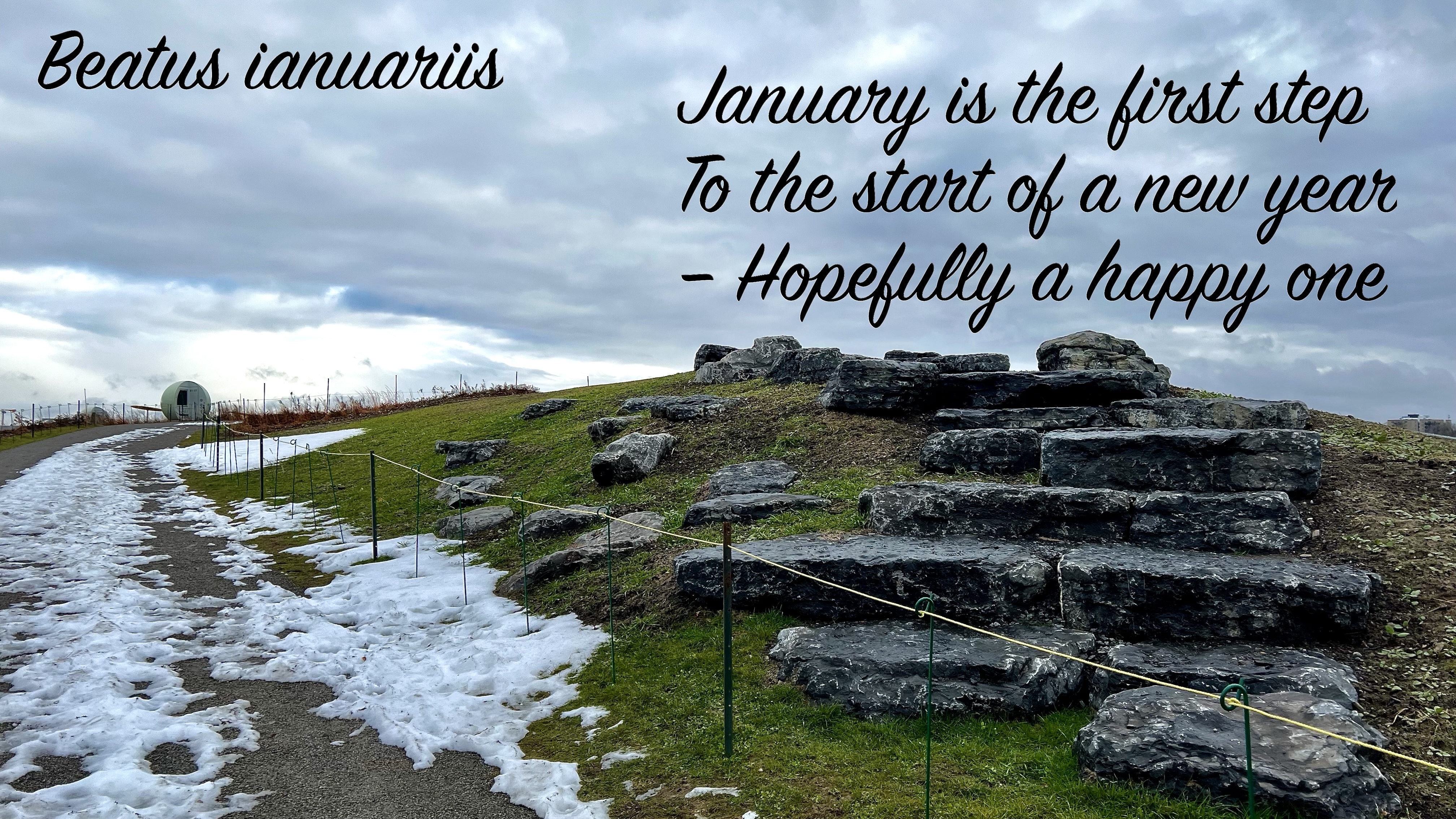
[ iPhone 13 Pro, Parc Frédéric-Back, 2023/01/01 ]
Note: Those are my ninety-ninth and one-hundredth haïku…
[ Traduire ]The oyster said to the world:
I don’t give a clam about you,
That’s why I’m so shellfish!
Et si Dieu était l’Univers —
Nous ne serions que des micro-organismes
Dans Son corps infini…
What if God is the Universe —
We would be merely microorganisms
Inside His infinite body…
[ Translate ]Aïe aïe haïku
Braises derrière l’oeil gauche
Mon crâne dans un étau —
La tête sur le point d’exploser
[ Translate ]

[ iPhone 11 Pro, “The best always leaves first”, 2020/03/28 ]
[ Traduire ]Haiku for Saya
Furry absence
Empty nest
— Sadness
“Né il y a trois siècles au Japon, le haiku est la forme poétique la plus courte du monde. Art de l’ellipse et de la suggestion, poème de l’instant révélé, il cherche à éveiller en nous une conscience de la vie comme miracle. De Bashô jusqu’aux poètes contemporains, en passant par Buson, Issa, Shiki et bien d’autres, Haiku est la première anthologie à présenter un panorama complet de ce genre littéraire, en lequel on a pu voir le plus parfait accomplissement de l’esthétique japonaise.
« Pourquoi aimons-nous le haiku ? » interrogent les préfaciers de ce livre. « Sans doute pour l’acquiescement qu’il suscite en nous, entre émerveillement et mystère. Le temps d’un souffle (un haiku, selon la règle, ne doit pas être plus long qu’une respiration), le poème coïncide tout à coup avec notre exacte intimité, provoquant le plus subtil des séismes. Sans doute, aussi, parce qu’il nous déroute, parce qu’il nous sort de notre pli, déchirant une taie sur notre regard, rappelant que la création a lieu à chaque instant. Peut-être, enfin, parce qu’il sait pincer le coeur avec légèreté. Rien de pesant, rien de solennel, rien de convenu. Juste un tressaillement complice. Une savante simplicité. »”
[Texte du site de l’éditeur; voir aussi la couverture arrière]
(Attention, lire l’avertissement de possible divulgacheurs)
Ce qui rend ce petit recueil de poésie Japonaise intéressant c’est qu’il nous offre un savant mélange de haïkus classiques et modernes, du XVIIe siècle jusqu’au début du XXIe siècle, mais surtout qu’il est accompagné d’une introduction, d’un petit essai historique, de notes, d’une bibliographie et d’un index qui en font un bon ouvrage de référence pour celui ou celle qui s’intéresse à ce qui est probablement la plus courte des toutes les formes poétiques. Car le haïku n’est composé que de 17 syllables (mores) repartis en trois phrases (selon le schéma 5-7-5). Par la juxtaposition de deux images ou idées — séparées par un kireji (切れ字 / “caractère de coupe”) ou césure — il exprime des sentiments liés à l’évanescence des choses et aux saisons (kigo).
On y retrouve environ cinq-cent petits poèmes divisés en quatre saisons (plus un chapitre hors-saison). J’y ai appris que mes haïkus étaient trop bavards. C’est intéressant et agréable à lire. Plutôt relaxant. À lire si les haïkus vous intéressent…
Haiku: Anthologie du poème court japonais, préparé par Corinne Atlan et Zéno Bianu. Paris: Gallimard (Poésie), décembre 2002. 242 pages, 10.5 x 18 cm, 7.50 € / , ISBN 9782070413065. Pour un lectorat adulte. 
Vous trouverez plus d’information sur les sites suivants:
[ Amazon • Goodreads • Google • Nelligan • Wikipedia • WorldCat ]
© Éditions Gallimard, 2002.
[ Translate ]Blossoms in the tree
Flickers of beauty
Short-lived sanity
Spring rain
In a chilly morning
Bring hope anew
Crypto Trump woke virus
Madness of the world
Washed away in the rain
Ephemeral satisfaction
Momentary victory
Forgotten chaos
Snow, mud and ice
Disappearing at last
As the sun warm us all
On this last day of winter, I took a walk into the park. It was a little colder than the previous day, as if the winter wanted to remind us that it was still there… However, the hopeful signs of the coming spring could be seen everywhere: in the tiny shoots of daffodils (which will flower at last this year, I expect) or in the birds that were starting to populate the bare branches of the trees and fill the air with their songs. Today, I have seen a female cardinal (Cardinalis cardinalis), a downy woodpecker (Dryobates pubescens) and two crows (Corvus brachyrhynchos).


At the same time, the coming of spring brings hope of more than sunnier and warmer days. The coronavirus pandemic has reached its first anniversary and it has now been a year also since we started confinement and mitigation measures. People are exhausted and fed up with the distanciation and the mask wearing. Unfortunately, the threat of more potent virus variants forces us to persist in our efforts. But warmer temperature will allow for more outdoor activities which will in its turn alleviate our mental stress and the increasing vaccination pace will soon help everyone to better defend against the virus and create enough immunity to starve its spread and mutation.
I have never seen a spring burdened with so much hope…
[ Traduire ]
C’était l’automne
Un automne où il faisait beau
Une saison qui n’existe que dans le Nord de l’Amérique
Là-bas on l’appelle l’été indienL’Été Indien, Joe Dassin


[ iPhone 11 Pro, couché de soleil sur le parc, 2020/11/06-07 ]
Haiku d’chaleur
On craignait la longue noirceur
Mais il y eut une étincelle d’espoir
L’été indien de la démocratie !
 On a eut trois ou quatre jours de gel avec même un peu de neige au sol, alors on croyait bine que l’hiver était arrivé… Quelle surprise de voir un redoux de plus d’une semaine qui s’annonce être un été indien exceptionnel, voir même historique !
Il faut dire que ce beau temps tombe à pic. Au même moment où tombait la neige (et le lendemain) les Américains semblaient vouloir réélire leur grand épouvantail orange. Heureusement ce n’était qu’une illusion et, avec le beau temps, le dictateur en herbe s’est fait jeter et tout le monde dansait de joie ! Hélas, l’hiver est inévitable et la COVID le rendra encore plus terrifiant. Mais malgré le froid, nos coeurs seront au chaud, à l’idée de savoir qu’au printemps la démocratie revivra !
[ Translate ]Despite slings and arrows
Or those marching in opposition
Nature simply goes on
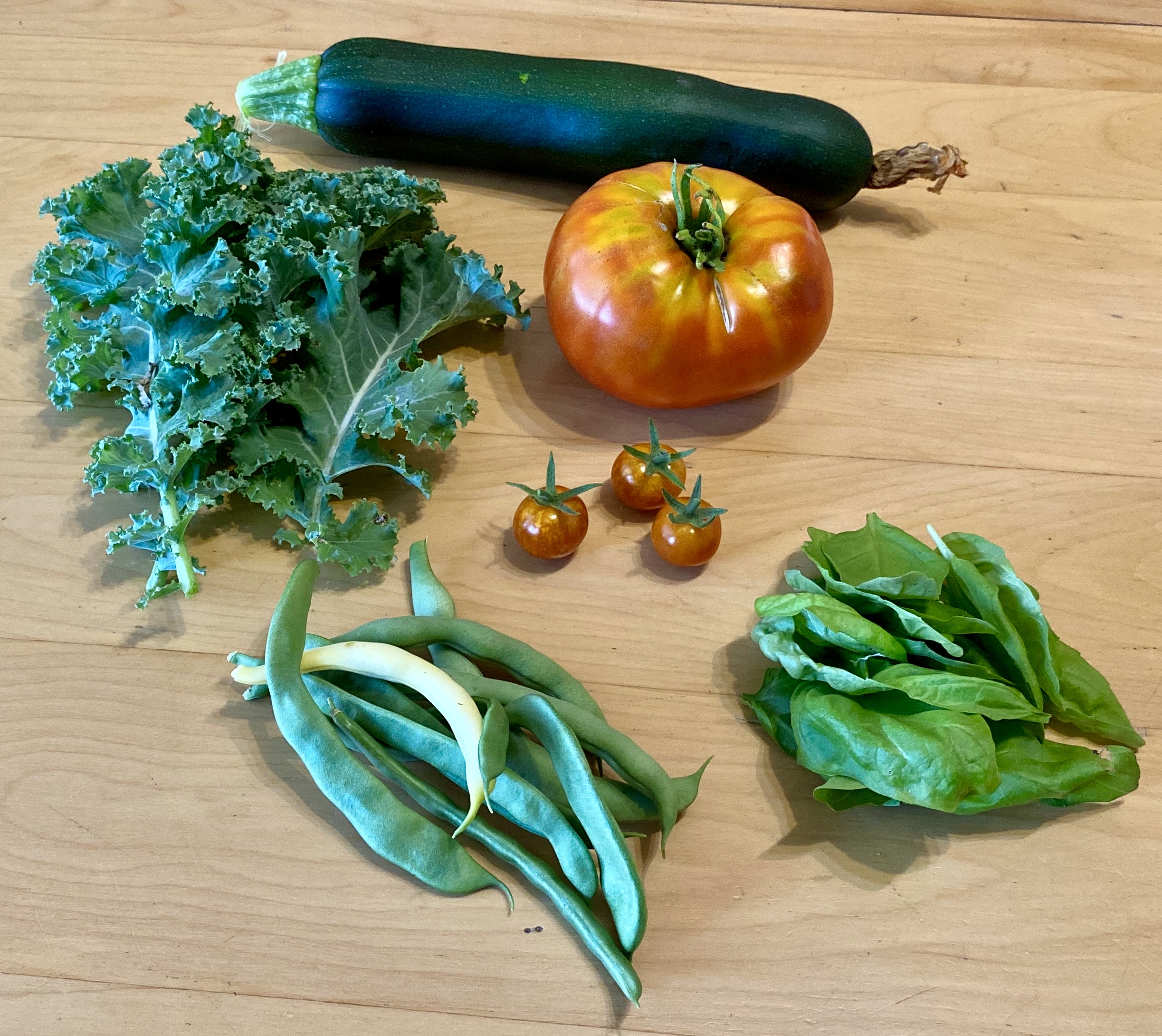
[ iPhone 11 Pro, 2020/07/26 ]
[ Traduire ]
Souvenirs de Science-Fiction Québécoise
Manga, jeu vidéo et arts mineurs
A blog about the pursuit of knowledge
A blog about the pursuit of knowledge
Émission littéraire + Suggestions + Confidences
“If you are cold, tea will warm you; if you are too heated, it will cool you; If you are depressed, it will cheer you; If you are excited, it will calm you.” ― William Ewart Gladstone
A blog about the pursuit of knowledge
Book reviews and the occasional ramblings of a book blogger
Moi et les livres... dans cet ordre
Science, réflexion et poésie
Discussion, Resources, Roundtables, & Reviews
A blog about the pursuit of knowledge
A blog about the pursuit of knowledge
A blog about the pursuit of knowledge


 Clodjee's Safe-House