“Shy and socially inept, document.write(“”); Kentaro Amanosizuku, 35, works for the city but lives with his parents, a pet frog and video games as his chief interests. Worried about their son’s future, Kentaro’s parents look into matchmaking services, seemingly to no avail. Then a nibble. Would Kentaro be interested in meeting their daughter Naoko? A meeting is arranged. Naoko is a beautiful young woman but she is blind. Kentaro is smitten. But Naoko’s father has his doubts about Kentaro and the meeting comes to nought. Then, one day, Naoko’s mother comes to visit at Kentaro’s office. Is he still interested in her daughter?” (Text from the Festival’s program)
Kentaro is overly shy (what they call in Japan an “hikikomori”) and, despite having a job and a good income, he has no girlfriend. His parents have tried to match him several time but without success. Their hope gets high when they find a good, suitable match (a woman his age who’s still single) but no deal is made at the introduction meeting. His parents are against the match because it is revealed that she’s blind and her parents are against the match because he is a simple municipal salaryman. However, they start to spend time together against their parents’ will and without their knowledge and they start appreciating each other in many ways. It is not easy, they have to face many obstacles. Kentaro is afraid that he won’t be able to protect her as he is so clumsy. An accident occurs, but he is as determined as he is indestructible!
Blindly in love is a very good romantic comedy — which was quite welcomed after screening several depressing movies in the 2013 Montreal’s World Film Festival. It was the first “feel good” movie that I was seeing in that edition of the festival, at last, and I was quite happy with it.
The movie seems to imply that parents have a responsibility toward what happens to their kids. But when their kids are in their thirties I think they are just overprotective. It is another movie talking about the hikikomori phenomenon, so it really makes me wonder (like I did in Botchan) if this trend means that there are more cases of those withdrawn (hikikomori) and socially inept young people (dokuo), perhaps because of the increasingly stressful socio-economic situation of Japan, or is it simply because the Japanese are starting to pay more attention to those people in emotional distress?
Anyway, like most good Japanese movies, it was pleasant, entertaining and provoked reflection. And it attracted lots of people since the theatre was three-quarter full. The screening finished a little late because of the Q&A that followed in presence of the director, Masahide Ichii.
Opening for Blindly in love, there was an american short (23 mins) titled Common: “Agnes, a widowed church organist, has her lonely, patterned existence threatened when someone from her past comes back into her life…” A previous lesbian love interest! It felt like a good student movie with an interesting subject but a little slow-developing.
You can see a video on Vimeo (27:08 mins) showing the introduction and Q&A session with director Masahide Ichii, before and after the Montreal World Film Festival’s screening on August 28th, 2013 (translation by Dr. Minoru Tsunoda):
Here our main interest is the asian programming (over sixty movies from seven countries: 22 from Japan, 17 from South Korea, 7 from Hong Kong, 2 from Indonesia, one each from China, Malaysia and Philippines) and particularly the animation (twelve movies from four countries: 8 from Japan, 2 from China, as well as one each from South Korea and Indonesia — there’s also one anime-related animation from Québec).
Update: For comments on the Japanese movies presented at Fantasia, I highly recommend reading Claude R. Blouin’s article [in french], “Montréal, Fantasia 2014 : le Japon des exclus” on Shomingeki web magazine.
A recap list of the Asian programming titles follows (with links to full description).
Anime (+ Asian Animation):
Akira Project (Québec, Dir. Nguyen-Anh Nguyen, 5 mins)
“This is a must-have guide to 100 essential Japanese animation films, TV series, and made-for-video series, from 1950s classics to the latest Cartoon Network hits.
Looking for something specific? Eight unique icons make reviews easy to browse. From Akira to Naruto, Pokemon to Sailor Moon, anime veterans Brian Camp and Julie Davis present over 100 black & white images alongside summaries, style notes, rare facts, viewer-discretion guides, and critical comments on films that fans absolutely—zettai!—must see.”
We could say this book is only a compilation of reviews, but, on the other hand, it has the great advantage of offering extensive and very structured reviews. Also, if it offers only one hundred of them, they constitute the authors’ all time best anime selection (including movies, TV series, OAV, from 1958 to 2006, from Akira to Yu Yu Hakusho)!
The book opens on two essays: the first one gives a quick summary of the history of anime in America and explains the criteria use in the selection of titles; the second attempts to describe anime through its formats, styles and the experience it provides. It goes on with short biographies of fourteen great anime directors: Hideaki Anno, Osamu Dezaki, Yoshiaki Kawajiri, Satoshi Kon, Leiji Matsumoto, Hayao Miyazaki, Mamoru Oshii, Katsuhiro Otomo, Rintaro, Gisaburo Sugii, Isao Takahata, Osamu Tezuka, Yoshiyuki Tomino and Shinichiro Watanabe (a list similar to the Top 10 directors published in PA #90: 14). Like all good references, the book concludes with a bibliography. If there are about one hundred illustrations, some reviews have plenty of pictures while many are not illustrated at all. Such a book should be more generously illustrated.
All the reviews follow the same structure and are divided into nine parts: production notice (date, format, duration, genre, staff), summary, description of its style, comment (the review itself), mention of related titles (pre/sequels), notes on the creator/director, highlights (notable scenes), additional notes (anything from production notes to details on voice actors, or DVD extras), and rating advisory (violence, profanity, sexuality, etc.). All reviews are detailed and average three to four pages each.
I have often a hard time answering when people ask me to recommend them titles to watch. I’ve seen so many anime that it’s difficult to say which one I like best. This book offers an easy solution: here’s 100 titles that I can easily suggest. The book’s selection probably includes most people’s Top 10 (it’s the case for the staff Top 10 published in PA #84, or mine [minus Megazone 23], and you’ll find almost all Satoshi Kon [save Paprika] and Miyazaki [without Castle Of Cagliostro] titles). Of course, you cannot always agree with their selection (Chobits? Demon City Shinjuku? Harmagedon? Pokemon? Wicked City?!), but it certainly reviews most classic, popular and significant (historically or artistically) anime titles.
All in all, this is a very nice coffee table reading as it offers a ready-made list of viewing as well as lots of interesting information about the reviewed titles. Recommended for anime fans of all levels, zettai! (Absolutely!)
Anime Classics Zettai! 100 Must-See Japanese Animation Masterpieces, by Brian Camp & Julie Davis. Berkeley: Stone Bridge Press, 2007. 408 pp., paperback, $18.98 US / $23.00 CDN, ISBN 978-1-933330-22-8. Recommanded for teenagers (12+).
For more information / Pour plus d’information:
A version of this article was previously published in PA #97: 76.
“Il manquait encore un grand ouvrage de référence à ce phénomène éditorial, matrice d’une nouvelle pop culture planétaire. Voici donc le DicoManga, dictionnaire illustré de la bande dessinée japonaise traduite et publiée en français. Pour la première fois, un panorama complet du monde foisonnant des mangas.” [ Texte de la couverture arrière ]
“Cet ouvrage exceptionnel propose un panorama complet du monde foisonnant des mangas parus en langue française. Avec 900 illustrations, et 1500 entrées c’est assurément le livre-événement pour tous les fans de mangas!“ [ Texte du site de l’éditeur ]
Continuez après le saut de page >>
English text follows Il s’est décidément produit beaucoup références encyclopédiques sur le manga ces dernières années. Le premier était probablement ce dictionnaire manga italien (A-Z Manga: Guida al fumetto giapponese (sept. 2004), voir mon commentaire dans PA N ° 86: 38), qui offre plus de 500 entrées, mais est plutôt mince, mal illustrés et ne contient aucun détails sur les éditions, mais comprend au moins une bonne quantité de notices biographiques de mangaka (près de 100!). Elle a été suivie d’une première référence de manga français (Le Guide Phénix du Manga (décembre 2005), voir mon commentaire dans PA n ° 88: 86), qui offre une introduction complète au manga, ainsi que des notices biographiques pour (seulement) quarante mangaka majeurs et plus de 700 très courtes entrées—le guide a été mis à jour en novembre 2006, avec 125 nouvelles pages. Avec des références plus en plus nombreuses et volumineuses, en octobre 2007, une première référence en anglais est publiée (Manga: The Complete Guide par Jason Thompson, voir mon commentaire dans PA n ° 97: 77) qui offre plus de mille entrées référençant tous les titres de manga publié en Amérique du Nord. Si ce livre se lit plus comme une compilation de critiques qu’une véritable encyclopédie, offre peu d’illustrations et moins de vingt notices biographiques, il est néanmoins bien écrit et c’est la référence de manga la plus exhaustive jusqu’alors. Pouvait-on faire encore mieux?
Bien sûr, avec un autre livre français, Dico Manga: Le Dictionnaire encyclopédique de la bande dessinée japonaise sorti en Mars 2008. Il s’agit d’une énorme bible sur le manga (qui pèse 1,7 kg), le résultat de trois années de recherche par une équipe de dix auteurs. Ses 1500 entrées alphabétiques couvrent tous les titres de mangas publiés en français (jusqu’en décembre 2006), avec de nombreuses entrées dédiées aux mangaka, éditeurs, ou aux éléments de culture japonaise qu’on retrouve souvent dans les mangas. Les caractéristiques du genre lui-même (son histoire, les magazines spécialisés, le sens de lecture, des effets sonores, etc) sont étudiés dans une série d’articles plus longs répartis dans tout le livre.
Dico Manga est plus complet que toutes les références françaises précédentes (il contient un peu plus d’entrées que Le Guide Phénix du Manga et chacune des entrées est plus longue) et il offre une présentation beaucoup plus agréable. De plus, contrairement à l’ouvrage de Jason Thompson, Dico Manga est plus descriptif que critique. Je suis d’accord qu’un livre de référence devrait être plus objectif et éviter de trop exprimer l’opinion de l’auteur, mais il aurait aussi été utile si les auteurs avaient pu ajouter une note discrète pour donner aux lecteurs une idée de leur appréciation de chaque titre. Comme tous les livres de ce genre, ce n’est pas un travail exhaustive, mais il est assez impressionnant tout de même, en particulier sur deux aspects: c’est la première référence de manga à être bien illustré (900 illustrations en couleurs!) et a offrir des notices biographiques en quantité (plus de 650!). Par conséquent, il s’agit d’un ouvrage extrêmement utile, voir une référence essentielle, qui devrait se retrouver (avec le Guide de Jason Thompson) sur les étagères de tous les fans de manga sérieux.
We are surely getting a lot more manga encyclopedic references these days. The first one was probably this Italian manga dictionary (A-Z Manga: Guida al fumetto giapponese (Sept. 2004), see review in PA #86: 38) which offers over 500 entries but is disappointedly thin, poorly illustrated and contains no release information—but at least it includes a good amount of mangaka biographical notices (nearly 100!). It was followed with a first French manga reference (Le Guide Phénix du Manga (Dec. 2005), see review in PA #88: 86) which offers a comprehensive introduction to manga, as well as biographical notices for (only) forty major mangaka and over 700 very short manga entries—the guide was updated in Nov. 2006 with 125 more pages. As manga references became better and bigger, in Oct. 2007 we finally got a reference in English (Jason Thompson’s Manga: The Complete Guide, see review in PA #97: 77) which offers over a thousand entries referencing all the manga titles released in North America. If the book reads more like a compilation of reviews than a real encyclopedia, offers little illustrations and less than twenty well-developped mangaka biographical notices, it is neverthess well-written and the most exhaustive manga reference so far. Could it get even better?
It does with another French book, Dico Manga: le dictionnaire encyclopédique de la bande dessinée japonaise (Encyclopedic Dictionary of Japanese Comics) released in March 2008. It is a huge manga bible (it weights 3.8 lbs!), the result of three years of research from a team of ten writers. Its 1500 alphabetical entries cover all the manga titles published in French (up to Dec. 2006), with many entries dedicated to mangaka, publishers, or element of Japanese culture often found in manga. The characteristics of the genre itself (its history, magazines, direction of reading, sound effects, etc.) are studied in a series of longer articles spread throughout the book.
Dico Manga is more complete than the previous French references (it offers a little more entries than Le Guide Phénix du Manga and each entries are longer) and it has a much nicer presentation. Also, contrary to Jason Thompson’s work, Dico Manga is more descriptive than critical. I agree that a reference book should be more objective and less judgemental, but it would also have been helpful if the writers could have added a discreet rating to give the readers an indication on how they had appreciated the manga. Like all books of this kind, this work is not exhaustive but it is quite impressive nonetheless, particularly on two aspects: it is the first manga reference to be properly illustrated (900 illustrations in color!) and it offers the most mangaka biographical notices (over 650!). Therefore it is an extremely useful book that should figure—along Jason Thompson’s Guide—on the bookshelves of any serious manga fans (if you can read French, of course).
This is an attempt to produce an exhaustive bibliography about anime & manga. It is far from complete yet. So far we’ve only transferred the old version from the Protoculture website (adding links to WoldCat and, whenever possible, to Nelligan—the Montreal libraries’ catalog). We’ve corrected the pictures’ links, added more books (whatever was published since we first started this bibliography; luckily we own a copy of most of these titles — the copy we own are on green background) and we’ll try to keep it updated as often as possible. Strangely, there are much more books about manga than anime… [Last update: 2024-12-28]
For those who are wondering: “anime” is referring to Japanese animation (cartoons) and “manga” is referring to Japanese comics. They are an important part of Japanese popular culture.
BARICORDI, Andrea; De GIOVANNI, Massimiliano; PIETRONI, Andrea; ROSSI, Barbara and TUNESI, Sabrina. Anime: Guida al cinema d’animazione giapponese. Bologna: Granata Press, 1991. 320 pages. ISBN 88-7248-014-0. 35,000 L. [in italian] [ Wikipedia ]
BARICORDI, Andrea; De GIOVANNI, Massimiliano; PIETRONI, Andrea; ROSSI, Barbara and TUNESI, Sabrina. Anime: A Guide To Japanese Animation (1958-1988). Translated from the Italian by Adeline D’Opera and presented by Claude J. Pelletier. Montreal, Protoculture, 2000. 320 pages, B&W, ISBN 2-9805759-0-9. $25.00 US/Can.
First edition: December 2013, ISBN 978-1844573905.
CLEMENTS, Jonathan & McCARTHY, Helen. The Anime Encyclopedia: A Guide To Japanese Animation Since 1917. Revised & Expanded Edition. Berkeley, Stone Bridge Press, 2006. 870 pg. ISBN 978-1933330105. $29.95 US.
First Edition: 2001, ISBN 1-880656-64-7. $24.95 US.
[Collectif] Manga: A Visual History. London: Dorling Kindersley Publishing (DK), (to be published in March 2025). 320 pages. ISBN 978-0593844199. 46 € / $50 US / $66.00 Can. Authors includes Frederik L. Schodt, Rachel Thorn, Zack Davisson, Erica Friedman and Jonathan Clements.
[Collectif]. Le meilleur du manga 2013: Les conseils des pros pour s’y retrouver dans la masse ! Paris, Kazé, Février 2013. 192 pg. ISBN 978-2-8203-0510-7. € 7,95 / $13.95. [in french]
GRAVETT, Paul. Manga: Sixty Years of Japanese Comics. Laurence King Publishing / Harper Design Intl, 2004. 176 pg. ISBN 978-1856693912. $24.95 US. [Aussi disponible en version française]
PINON, Matthieu & LEFEBVRE, Laurent. Histoire(s) du manga moderne. Paris: YNNIS Éditions, Avril 2015. 24 x 2.5 x 27 cm, 204 pg., 29.99 € / $49.95 Can. ISBN: 979-1-0933-7622-6.
Other editions: January 1983 (ISBN 9780870115493), January 2013 (ISBN 9781568364766).
THOMPSON, Jason. Manga: The Complete Guide. New York, Ballantine/Del Rey, 2007. 556 pg. ISBN 978-0345485908. $19.95 US / $24.95 CDN. [Wikipedia] See my comment.
現代漫画博物館 [Lit. “Modern Comic Museum” / The Encyclopedia of Contemporary Manga, 1945-2005], by Shogakukan Manga Awards Office. Shōgakukan, November 2006. 532 pages. ISBN 978-4091790033. 4200円 [In Japanese]
J’ai découvert Histoire(s) du manga moderne (1952-2012) un peu plus tôt cette année lorsque l’un des auteurs, Matthieu Pinon, m’a contacté pour m’en parler et obtenir quelques commentaires de ma part. Je n’ai pas osé en parler tant que l’annonce n’était pas officielle mais c’est maintenant fait puisque Animeland l’a mentionné à la fin mai, puis encore au début juin avec quelques précisions. Le magazine Coyoteen a également parlé.
Deux spécialistes français du manga, Matthieu Pinon et Laurent Lefebvre (contributeur à Animeland et Coyote), nous proposent un nouvel ouvrage sur l’histoire du manga. Les ouvrages sur ce sujet sont déjà nombreux mais je crois qu’il n’y aura jamais trop de références sur le manga, particulièrement quand il s’agit d’un ouvrage au concept intéressant et innovateur. En effet il n’y a pas encore d’ouvrage en français sur l’histoire du manga au Japon avec une présentation strictement chronologique.
Après une brève introduction retraçant l’origine du manga et le contexte socio-économique qui favorisa son expansion dans les années 50, le coeur de l’ouvrage nous offrira 60 double-pages (une par année) avec à gauche l’histoire du manga cette année-là (tendances, faits marquants, etc.) et à droite un focus sur un auteur qui s’est particulièrement illustré durant la même période. Il se conclura avec quelques articles thématiques traitant des développements récents et des nouveaux enjeux de l’industrie. Il est décrit comme “un livre accessible à tous (passionnés et profanes) expliquant 60 ans de BD japonaises (1952 – 2012) grâce à une mise en page originale et didactique.”
C’est très prometteur et définitivement le genre d’ouvrage que j’aimerai lire ou même avoir dans ma bibliothèque de références manga.
Une campagne de financement populaire (crowdsourcing) a été lancée pour amasser les 7500€ nécessaire pour la publication. Cette campagne durera jusqu’au 13 juillet. Pour soutenir le projet ou pour en savoir plus sur ce merveilleux ouvrage, vous pouvez visiter la page officielle.
Histoire(s) du manga moderne (1952-2012), par Matthieu Pinon et Laurent Lefebvre, illustrée par Nicolas Hitori De. 160 pages tout en couleurs, 24 x 27 cm, 25.00 €. Sortie fin 2014 en version française ET anglaise, format papier et électronique (eBook)!
Une vidéo décrivant le projet est également disponible sur Vimeo:
Here we are listing only the categories that are of interest for our blog, but you’ll find more details on ALL the nominees on the Tokyo Hive and Internet Movie Database. You’ll find also some information (mostly about the anime category and the anime- & manga-related nominations) on Anime News Network.
The award winners will be announced on March 7, 2014, so stay tuned!
Continuez après le saut de page >>
ATTENTION: Peut contenir des traces de “spoilers”! Les personnes allergiques à toutes discussions d’une intrigue avant d’en avoir eux-même prit connaissance sont vivement conseillé de prendre les précautions nécessaires pour leur sécurité et devraient éviter de lire plus loin.
Thermae Romae (???????? / ce qui signifie les thermes, ou bains, romains en latin), écrit et illustré par Mari Yamazaki, a d’abord été prépublié en feuilletons par Enterbrain dans leur magazine mensuel de manga seinenComic Beam (entre février 2008 et avril 2013) avant d’être compilé en six tank?bon (volumes; paru entre novembre 2009 et juin 2013). La traduction française est publiée par Casterman (Collection Sakka) depuis mars 2012 et ce sixième et dernier volume est paru en octobre 2013. [ci-contre: pg 3]
Lucius Quintus Modestus est un architecte romain du IIe siècle qui voyage mystérieusement dans le Japon moderne (grâce aux bains) chaque fois qu’il est en manque d’idée pour concevoir une nouvelle réalisation, toujours plus innovatrice que la précédente. Cette fois, à la demande d’Hadrien, il doit rénover les installations thermales de la ville balnéaire de Baïes. Au cours de ses voyages spatio-temporels, il a développé une relation romantique avec Satsuki, une jeune japonaise férue d’histoire antique. Toutefois la disparition de Lucius, qui est retourné dans la Baïes du IIe siècle afin d’en terminer les thermes avant la mort du l’empereur, laisse Satsuki dans le désarroi. [ci-contre: pg 5] Elle fait faire des recherches par ses étudiants afin de trouvé trace de Lucius dans l’histoire mais sans résultats. Pendant ce temps, Lucius consacre toutes ses énergies pour edifier des thermes splendides à Baïes avant que la maladie n’ait raison d’Hadrien. Il confie aussi la vérité sur ses périples au jeune Marcus.
Satsuki réalise que la seule façon de trouver de l’information serait de faire des fouilles archéologiques à Baïes. Un collègue d’Oxford veut bien l’aider, mais il faut d’abord qu’elle trouve les fonds nécessaire, ce qui représente une somme très importante. Toutefois, grâce aux nombreux contacts mystérieux de Tetsuzô, son grand-père, elle réussi à financer les recherches. [ci-contre: pg 109] Mais c’est au tour du grand-père de voyager dans la Baïes antique. Sa renommée de masseur miracle s’y répand rapidement et l’on fait appel à lui pour prolonger les jours de l’empereur. Au moment où il entr’aperçoit Lucius aux thermes, il se retrouve transporté aux bains publiques de l’auberge Tôrinkan, au Japon. Les fouilles révèlent rapidement les traces du passage de Lucius et l’influence de la culture thermale japonaise (que seule vraiment un japonais peut comprendre). Se rappelant l’expérience de son grand-père, Satsuki se jète dans la source thermale qui jadis alimentait les bains de Baïes, espérant être transporté auprès de Lucius… Le stratagème fonctionne mais elle est rapidement faite prisonnière par des marchands d’esclaves!
Heureusement, le jeune Marcus Aurelius, qui passait par là pour se trouver un esclave brillant pour le servir lors de son séjour à Baïes, entend Satsuki appeller Lucius à l’aide. Il reconnait en elle l’un de ces “visages plats” dont Lucius lui a parlé et la sauve des griffes des marchands d’esclave. Il accepte de l’amener auprès de Lucius, qui est aux bains de la résidence secondaire de l’empereur, mais elle ne peut pas le voir maintenant car l’empereur, mourant, est en train de prendre son dernier bain! “Chez nous, citoyens romains, les choses importantes se disent dans les bains. (…) Il me suffit d’un bain… pour éprouver la joie profonde d’être né. (…) Continue… à bâtir des havres de paix pour les romains.” L’empereur, reconnaissant envers Lucius pour avoir construit la station balnéaire idéale, lui meurt dans les bras. Encore sous le choc, il marche sur la plage et aperçoit Satsuki. Il s’élance vers elle et l’enlace. Les amoureux sont enfin réuni! Un peu plus tard, Antonin succède à Hadrien comme empereur et Tatsuki donne un fils à Lucius.
Si la série dans son ensemble est très bonne, ce dernier volume est plutôt décevant. Le récit laisse en plan certain aspect de l’histoire–qu’arrive-t-il au grand-père? Au cheval Hanako? Aux gens du village d’Itô? À Marc-Aurèle? (Quoique l’auteur promet de mener chacune de ces histoires à terme dans un prochain manga)–et nous offre une fin un peu trop prévisible (quoique ce soit une belle fin). Plus grave, le dessin semble être de moindre qualité et on ne retrouve aucunes planches en couleurs. Il y a bien sûr toujours de superbe arrières-plans et on retrouve encore un certain réalisme dans le dessin, mais le tout semble un peu plus bâclé, comme si l’artiste voulait en finir rapidement avec la série et passer à autre chose. C’est bien dommage.
Malgré tout, comme je l’ai déjà dis, ce manga est, pour moi personnellement, particulièrement intéressant et amusant car il allie mes plus grands amours: le Japon et la Rome Antique, l’histoire et le manga! Qui plus est, il met en scène une période de l’histoire romaine qui m’est chère (la “dynastie” des Antonins, particulièrement Hadrien et Marcus Aurelius). Sans être académique, le manga offre une certaine rigueur historique. Chacun des chapitres est suivi de commentaires et de notes explicatives par l’auteur. Donc, en plus d’être un divertissement agréable, Thermae Romae nous offre beaucoup d’information tant sur la culture japonaise que romaine (qui, étrangement, semblent comporter quelques points communs!). En conclusion, si vous aimez les manga historique, les bains et l’empire romain, ce manga est définitivement pour vous. Je vous le recommande chaudement!
Thermae Romae, vol. 6, par Mari Yamazaki. Paris, Casterman (Coll. Sakka), octobre 2013. 13.2 x 18.0 x 1.6 cm, 194 pg., 7,50 € / $13.95 Can. ISBN: 978-2-203-06207-8. Sens de lecture original japonais. Recommandé pour jeune adulte (14+).
“When the Showa Era began, Mizuki himself was just a few years old, so his earliest memories coincide with the earliest events of the Era. With his trusty narrator Rat Man, Mizuki brings history into the realm of the personal, making it palatable, and indeed compelling, for young audiences as well as more mature readers. As he describes the militarization that leads up to World War II, Mizuki’s stance toward war is thoughtful and often downright critical – his portrayal of the Nanjing Massacre clearly paints the incident (a disputed topic within Japan) as an atrocity. Mizuki’s Showa 1926-1939 is a beautifully told history that tracks how technological developments and the country’s shifting economic stability had a role in shaping Japan’s foreign policy in the early twentieth century.” [ Text from the publisher’s website and from the back cover ]
As I already wrote in my comment on his illustrated biography of Hitler (in french), Shigeru Mizuki is one of those older generation’s mangaka (like Shôtarô Ishimori, Sampei Shirato, Yoshihiro Tatsumi, Osamu Tezuka, Kazuo Umezu) who tell stories in a relatively simple and rather crude, sometimes even caricatural, style. Born in 1922, he showed an early artistic talent but WWII did not give him the chance to make a career. Conscript in 1943, he found himself in Papua New Guinea where he saw the horror of war (sick, he barely survives the massacre of his unit) and was seriously injured in an Allied bombing at Rabaul in 1944. Amputated of his left arm, he learns to drawn with the right and, among other various small jobs, works as a kami-shibai artist and storyteller (story illustrated with painted cardboard panels and presented by a street storyteller). He starts his mangaka career late, with the release of Rocket Man in 1957. He first works mostly for the Kashibonya market (libraries who rented books at low prices) and then joined Garo magazine in its debut in 1964. Mizuki is “above all a creator of ghost stories” (Frederik Schodt, Manga! Manga!, P. 15) and is best known for his Kitaro series (first known as Hakaba no Kitaro [Graveyard’s Kitaro] and later as Ge ge ge no Kitaro [Kitaro the repulsive] serialized in weekly Shonen magazine from 1965 to 1969; available in English from Drawn & Quarterly) as well as many other tales of horror inspired by the yokai (monsters) of the traditional Japanese folklore. I can only wonder: was he writing this kind of stories because he was haunted by all the deaths he witnessed during the war?
With the 70s, he is finally ready to directly address another kind of horror: the one he lived during the war. In 1971 he serialized Gekiga Hitler (“Hitler: A Biography”, available in french from Cornélius) in the seinen magazine Weekly Manga Sunday (compiled in a single volume by Jitsugyo no Nihon-sha in 1972). This book is both a kind of personal introspection (where he tries to understand what happened to him during the war) and his take on a period of history that most people would prefer to keep quiet (maybe trying to explain what happened during the war to a younger generation who didn’t live through it). In 1973, he continued on the same line with the publication of Sôin Gyokusai Seyo (Onward Towards Our Noble Deaths, available in English from Drawn & Quarterly and in French [Operation Mort], from Cornélius), which is an “anti-militarist story denouncing the blind and vain sacrifice” of the japanese soldiers (Thierry Groensteen, L’Univers des mangas, p. 109) and is directly based on his own experience in Papua New Guinea.
This has given him a taste for autobiography, so he published NonNonBâ to ore (lit. “Grandma and Me” / NonNonBâ, available in English from Drawn & Quarterly) in 1977, where he looks back on his childhood and how he discovered, through the stories of an old woman, the supernatural “bestiary” of traditional Japanese folklore. He continues in 1988 with Komikku Showa-Shi (Showa: A history of Japan, available in English from Drawn & Quarterly), a history of Japan in manga dealing with the Showa era (1926-1989) in eight volumes. Finally, in 2006, he began a new series where he tackles a true autobiography: Mizuki Shigeru Den (“Mizuki’s Life”, available in French from Cornélius). His style and humane stories, expressing deep respect for all life, make him “one of the forerunners of the 1960s gekiga movement, which sought to introduce more realistic artwork to Japanese comics” (Jason Thompson, Manga: The complete guide, p. 123). For more information on the gekiga movement, I’d like to refer you to my comments on A Drifting Life by Yoshihiro Tatsumi. On Shigeru Mizuki himself, you can see ANN’s entry and the 106th episode of “Jason Thompson’s House of 1000 Manga” dedicated to him.
Showa: A history of Japan (??????? / Komikku Showa-Shi / lit. “A Comics History of the Showa Era”) was first published in eight volumes (tank?bon), between november 1988 and december 1989, by Kodansha without being serialized in a magazine beforehand as it is generally the case for a manga series. It won the 13th Kodansha Manga Award in 1989 and was reissued in a smaller format (bunkobon) in 1994. The English edition by Drawn & Quarterly will be compiled into four huge volumes (the first volume was released in november 2013 and the second one is due in may 2014). There’s a five-page (pg 348-352) preview available on their website. [opposite: pg 194]
It is always rather difficult to comment on such historical manga, because there is so much material to talk about, so many dates, so many events and historical characters, that it’s a little overwhelming. Fortunately, the superb foreword by Frederik L Schodt says it all about this huge volume and helps us put everything into perspective:
“The long Showa era was arguably the most tumultuous, violent, and tragic of them all, with only brief moments of optimism. (…) It might at first seem odd that a manga artist would create what, I believe, is one of the best histories–of any sort–on Japan’s Showa period.” [foreword, p. 9]
“[Mizuki] is not afraid to tell how an entire nation became first delirious with war fever, and afterward disillusioned with not only war, but nationalism itself.” [p. 10]
“In this first volume of Mizuki’s Showa series, we are given a rare Japanese view of the train of events that led up to the war, and shown what it meant for ordinary citizens–and especially for Shigeru Mizuki–to be dragged deeper and deeper into a world of no escape” [p. 11]
This manga tells us the story of the Showa era, which corresponds to the reign of Emperor Hirohito (1926-1989). This first volume explains the circumstances that brought Japanese expansionism, creating an asian colonial empire (mostly in Manchuria and Korea), and the events (particularly the Mukden incident on september 18th 1931) that led the military (without the consent of the government or the emperor) toward the Second Sino-Japanese war (on july 7th 1937) and later into World War II. I was told that the war was very hard on the Japanese people (and the story told in the first volume of Barefoot Gen by Keiji Nakazawa is an excellent example of what they had to endure). However, I realized while reading this manga that the entire era was one of hardship: from the aftermath of the Great Kanto Earthquake to the financial crisis, from the Great Depression to a virtual military dictatorship, from war to defeat and occupation. The making of the pacific war was much more complex that I had previously thought. [Opposite: pg 234]
Mizuki is telling us two different stories with his manga: first, the History (with a capital “H”) of the Showa era that he presents to us in “a quasi-acedemic approach” and, second, his own childhood memories of that era, which is presented in a more casual and comical way as he portrays himself as a looser. In order to emphasize the difference between the two stories, he uses two different–and even opposite–styles: the historical story is told with rather realistic drawings which use “iconic photographs (…) hand-traced or rendered in super-high contrast” while his personal story is told with his usual “loose and cartoony” style (he even sometimes uses Rat-man, a character from his yokai stories, as narrator) [all quotes are from Schodt, foreword, p. 10]. All in all, he uses for this manga a very simple layout that is made of quite large drawings and very little panels per page (sometimes even only two and rarely more than eight). [Opposite: pg 278]
The manga concludes with an interesting afterword by Hideki Ozaki, followed by explicatives notes and relevant facts that help a lot to better understand the context of the historical events and the actors that participate in them. It is quite an interesting subject, but unfortunately the complexity of the narrative (as I said, many dates, many people) is made even more confusing for readers who are unfamiliar with Japanese history by the fact that Mizuki doesn’t tell his story in a strictly chronological manner but often comes back in time to tell about more events or give more details on previously presented events. [Opposite: pg 412]
However, as an historian, I am compelled to find highly fascinating such a manga which succeeds to summarize an important–but often embarrassingly neglected or distorted–era of Japanese history with simple terms and illustrations. It’s an heavy book (literally!) which is not always easy to read (particularly for us gaijin) but it is a very good (if not always entertaining) story and an excellent way to learn about Japanese history and better understand the culture. So, if you have any interest in classic manga or in Japanese history & culture, I recommend reading this manga.
Showa: a History of Japan, 1926-1939, by Shigeru Mizuki (translation: Zack Davisson). Montreal, Drawn & Quarterly, november 2013. 6.45 x 8.765 x 1.75 in., b&w, paperback, 534 pg., $24.95 US/Can. ISBN: 978-1-77046-135-2. Recommended for young adults (14+).
“Showa: a History of Japan, 1926-1939 is the first volume of Shigeru Mizuki’s meticulously researched historical portrait of twentieth century Japan. This volume deals with the period leading up to World War II, a time of high unemployment and other economic hardships caused by the Great Depression. Mizuki’s photo-realist style effortlessly brings to life Japan of the 1920s and 1930s, depicting bustling city streets and abandoned graveyards with equal ease.”
“When the Showa Era began, Mizuki himself was just a few years old, so his earliest memories coincide with the earliest events of the Era. With his trusty narrator Rat Man, Mizuki brings history into the realm of the personal, making it palatable, and indeed compelling, for young audiences as well as more mature readers. As he describes the militarization that leads up to World War II, Mizuki’s stance toward war is thoughtful and often downright critical – his portrayal of the Nanjing Massacre clearly paints the incident (a disputed topic within Japan) as an atrocity. Mizuki’s Showa is a beautifully told history that tracks how technological developments and the country’s shifting economic stability had a role in shaping Japan’s foreign policy in the early twentieth century.” [ Text from the publisher’s website ]
Showa: a History of Japan, 1926-1939 , by Shigeru Mizuki. Montreal, Drawn & Quarterly, october 2013. 6.45 x 8.765 in., b&w, paperback, 560 pg., $24.95 Can. ISBN: 9781770461352. A preview is available on D&Q site. Volume 2 (Showa 1938-1944) coming in april 2014.
Continuez après le saut de page >> J’ai déjà pas mal tout dis ce que je pensais de cette série dans mon commentaire du premier volume. Dans le second volume, Jésus et Bouddha continue leurs vacances sur terre, dans la banlieue de Tokyo. Au chapitre 9, Holy birthday, Jésus & bouddha célèbre la noël et bouddha tente de faire une surprise à Jésus pour son anniversaire mais la propriétaire de l’immeuble casse leur party. Au chapitre 10, Auto-sanctification, ils passent le jour de l’an au temple et à jouer à des jeux de société. Au chapitre 11, Hospital fever, Bouddha tombe malade après avoir médité trois heures en manches courtes dans la neige et Jésus tente de montrer qu’il est responsable en s’occupant de lui. (ci-contre, page 56) Au chapitre 12, Un prince trop bien portant, Bouddha a pris du poids durant les fêtes et le duo décide de faire de l’exercice. Au chapitre 13, Le parc le plus proche du paradis, le duo passe un bel après-midi au parc. Au chapitre 14, Pèlerinage, Bouddha amène Jésus à la terre sainte des geeks, Akihabara, où Jésus espère qu’ils achèteront un nouvel ordinateur mais Bouddha, lui, désire magasiner un autocuiseur de riz! Finalement, au chapitre 15 (Coupe, ablutions et un peu de vin), Jésus et Bouddha se coupent les cheveux mutuellement et vont ensuite au bain public où Jésus, rigolant trop suite à une de ses blagues nulles, transforme l’eau du bain en vin!
Page 12 (à gauche) et page 63 (à droite)
Bon, Les vacances de Jésus et Bouddha c’est un manga très hilarant et original au début mais on s’en lasse rapidement. Et je dois dire que j’en ai beaucoup arraché à essayer de lire les textes qui sont souvent un peu trop petits pour mes vieux yeux (il me faudrait une deuxième paire de lunettes ou une loupe!). Au point où je me trouvais des excuses pour ne pas lire (j’ai donc pris du retard dans mes lectures). J’aurais beaucoup plus apprécié ce manga s’il avait été publié dans un format un peu plus grand et avec un meilleur lettrage. Enfin, c’est tout de même rigolo et je le recommande mais, moi, j’ai abandonné l’idée de lire le volume trois et les suivants…
Les vacances de Jésus et Bouddha, vol. 2, par Hikaru Nakamura (traduction: Étienne Robert). Paris, Kurokawa, septembre 2011. 12,8 x 18,2 x 1,2 cm, 128 pg., 6,70 € / $11.95 Can. ISBN: 978-2-351-42588-6. Lecture dans le sens japonais (de droite à gauche) et recommandé pour jeunes adultes (14+).
“Une impératrice de charme au coeur d’or. XVIIIe siècle sur l’île de la Martinique, la jeune Rose Tascher de la Pagerie grandit entourée d’une famille aimante. Jeune fille issue de la noblesse, elle vit librement et simplement, bien loin des conventions et du faste de la vie parisienne. En 1779, à 16 ans, elle est mariée au vicomte de Beauharnais. Commence alors pour la jeune fille un dur apprentissage de la vie, entre un mari volage qui la délaisse et l’isolement dans un pays qu’elle ne connaît pas, la jeune femme s’endurcit sans jamais se départir de la bonté et de la générosité qui la caractérise. Elle va bientôt reconquérir sa liberté et son indépendance, mais en attendant, les prémices de la Révolution grondent déjà dans Paris…” [texte du site de l’éditeur]
Je me plains souvent que les éditeurs de manga ne puisent pas assez (ou même du tout) dans la mine d’or que représentent les manga publiés dans les années ’70-’80. Juste en jetant un coup d’oeil dans la collection de manga en Japonais de mon épouse je trouve facilement une dizaine d’excellent manga shōjo ou josei qui n’ont jamais été traduit en français ou en anglais. La plupart de ces titres ont été créé par des membres du fameux “Groupe de l’an 24” (des mangaka nées en Showa 24 [1949], ou à la même époque, incluant par exemple Moto Hagio, Keiko Takemiya, Toshie Kihara, Minori Kimura, Yumiko Ōshima, Nanae Sasaya, Ryōko Yamagishi et même Riyoko Ikeda).
Dans l’après-guerre, les gens n’avaient pas vraiment le goût de lire des histoires introspectives sur le Japon alors on a produit beaucoup de manga historiques qui se situaient principalement en Europe. Cette génération d’artistes a grandement contribué à développer le style riche et élégant du manga shōjo. Bien sûr, le graphisme du manga a beaucoup évolué depuis, mais ces titres demeurent très beaux sans compter qu’ils offrent des histoires intelligentes et captivantes. Je ne vois donc pas pourquoi on ne les traduirait pas afin de les rendre accessible aux lecteurs d’aujourd’hui. En voici quelques exemples:
Continuez après le saut de page >>
«Papa, c’est quoi cette plante ?» (page 2-3)
Au supermarché, Hana convainc son père d’acheter un petit plant de tomate rachitique. Elle le rempote, l’arrose, le protège des chenilles et il grandit. Hana aime s’occuper des plantes, peut-être parce que son nom veut dire “fleur” en japonais. L’été venue, elle se rend chez sa grand-mère et, contre l’avis de ses parents, amène son plant avec elle. Tout de suite grand-mère lui propose de la replanter dans son jardin. Elle grandira mieux en pleine terre mais restera plus petite que les autres plants de tomates car c’est une variété de tomates cerises. Au bout de quelques jours, des fleurs jaunes apparaissent, puis deviennent de petites tomates vertes. Bientôt, elle pourrons être mangées.
Un soir, la météo annonce un terrible typhon, alors Hana et sa grand-mère plantent des piquets pour attacher les plants. Pendant la nuit, Hana est inquiète mais le lendemain le soleil est de retour et les plants, quoique secoués par les vents violents, ont survécu. Deux jours plus tard, Hana cueille et goûte à sa première tomate, toute rouge et chaude de soleil. Quand ses parents viennent la chercher, Hana et grand-mère leur prépare un merveilleux festin avec le fruit du potager: tomates, carottes, concombres, radis, et pommes accompagnés de chrysanthèmes et de sushis. Ils reviendront à la maison avec un carton rempli de tomates, et Hana se demande ce qu’elle fera pousser l’an prochain.
Gauche: “Un matin, catastrophe, Hana s’aperçoit qu’il y a de petits trous dans les feuilles” (pg 5)
Droite: «Est-ce que tu crois que les tomates ont peur, elles aussi ?» (pg 19)
C’est une très belle histoire qui enseigne aux enfants la valeur de la terre et du jardinage. C’est aussi très bien illustré, avec une technique peut-être un peu classique pour ce genre d’album mais qui donne un très beau résultat. Si l’auteur vit maintenant à Paris, elle illustre tout de même des scènes typiques de la vie quotidienne japonaise, telle que le supermarché, la campagne avec ses maisons aux toits de tuiles, les intérieurs japonais avec leur tables basses, les tatamis et les futons, l’utilisation de bambou dans le jardins et la préparation des repas où les fruits et légumes sont sculptés et présentés avec du feuillage et des fleurs. L’album peut donc aussi constituer une introduction è la culture japonaise. J’aime bien.
La fête de la tomate, écrit et illustré par Satomi Ichikawa. Paris, L’École des loisirs, octobre 2012. 22 x 27.2 x 0,8 cm, 30 pg., 13,20 € / $19.95 Can. ISBN: 978-2-211-21139-0. Recommandé pour les enfants de 5 à 7 ans.
Continuez après le saut de page >>
Situé dans l’univers de Madame Mo, créé en 2003 par Agnès Lafaye et Pascale Moteki pour illustrer des objets inspirés de la tradition japonaise, ce livre pour enfants nous introduit aux fêtes japonaises. Il y a une fête pour chacun des mois de l’année et chacune nous est présentée à l’aide d’une petite histoire, d’une activité de bricolage et d’une recette. Ainsi, pour janvier, où l’on fête le nouvel an japonais (Oshogatsu), les auteurs nous racontent ce que les personnages font cette journée là, puis nous présente le jeu Fukuwarai (où les joueurs doivent épingler les différentes parties du visage (comme les yeux, les sourcils, le nez et la bouche) sur un dessin de face vierge) et une recette de Oyako don (Omelette au poulet sur bol de riz). Les fêtes pour le reste de l’année sont en février: chasser les mauvais esprits (Setsubun); mars: la fête des poupées (Hina Matsuri); avril: fête des cerisiers en fleur (Hanami); mai: la fête des garçons (Kodomo no Hi); juin: saison des pluies (Tsuyu); juillet: fête des étoiles (Tanabata Matsuri); août: fête des ancêtres (O-Bon); septembre: fête de la lune (O-Tsukimi); octobre: fête du sport dans les écoles (Undokai); novembre: fête des enfants (Shichi-go-san); et décembre: denier jour de l’année (O-Misoka).
Ce n’est pas le genre de livre que l’on lit d’un bout à l’autre mais plutôt une référence que l’on utilise pour introduire la culture japonaise aux enfants en leur lisant une histoire chaque mois et leur présentant des activités thématiques culinaires ou ludiques en relation avec la fête du mois. C’est une très bonne façon de développer la diversité culturelle des jeunes tout en s’amusant. Les illustrations sont simples et très colorés, mais le style des personnages de l’univers de Madame Mo est un peu excentrique (“personnages dotés d’une tête surdimensionnée avec un oeil plus grand que l’autre”). C’est un livre très amusant, riche en idées et en information.
Continuez après le saut de page >> J’ai découvert Amélie Nothomb avec le superbe film Stupeur et tremblements d’Alain Corneau (IMdB, bande annonce et extraits sur Youtube). Jusqu’alors, je ne sais pourquoi, j’avais cru qu’elle était une auteur américaine ou britannique, très populaire, qui parlait bien français (un peu comme Kristin Scott Thomas) et qui était un peu dingue. Le film m’avait intrigué parce qu’il traitait du Japon et que je croyais le réalisateur québécois. Après avoir visionné le film (que j’avais emprunté à la bibliothèque) j’étais suffisamment impressionné pour faire quelques recherches et découvrir que non seulement Corneau était français mais encore que le film était basé sur le roman très autobiographique de Nothomb, qui était en fait une auteur belge, quoique plutôt excentrique et névrosée! Comme quoi qu’on ne peut pas toujours être dans l’erreur.
Son père étant diplomate belge en poste au Japon, Amélie Nothomb est née dans l’archipel nippon, plus précisément dans la banlieue de Kobe. Elle y passa les cinq premières années de son existence. Elle fut extrêmement traumatisée lorsque son père fut relocalisé en Chine, puis ailleurs, et qu’elle dû quitter ce Japon tant aimé. Pendant “les années qui ont suivi cet exil, j’ai souffert au-delà du dicible” nous dit-elle. Toutefois, vers le milieu des années ’90, elle décida d’y retourner et se trouva un emploi de traductrice dans une firme Japonaise à Tokyo. C’est là qu’elle vécu l’enfer corporatif nippon, où les salaryman et les ?eru sont cruellement abusé pendant les premières années de leur service, afin de les “briser” et qu’ils deviennent les employés serviles, malléables et robotisés typiques du Japon. Elle survécut en se jetant mentalement dans le paysage urbain tokyoïte et en découvrant l’écriture où elle épanchait ses frustrations. Elle finit par raconter cette expérience dans le roman Stupeur et tremblements (qui fut très mal reçu au Japon), qui éventuellement devint aussi un film. Elle cru qu’elle ne reviendrait jamais au Japon…
J’ai eu vent pour la première fois de La nostalgie heureuse en lisant un article dans Le Monde (et éventuellement un autre dans le Huffington Post) qui annonçait un documentaire de France 5 où l’équipe de télévision suivait Amélie Northomb alors qu’elle effectuait un retour au Japon. Intitulé “Amélie Nothomb, une vie entre deux eaux”, le reportage de cinquante-deux minutes réalisé par Luca Chiari nous montre une Amélie Nothomb qui, au printemps 2012, retrace ses souvenirs d’enfance, retrouve sa nounou Nishio-san, son fiancé Rinri, elle visite le quartier de sa jeunesse à Kobe, son école primaire, le pavillon d’or, une pièce de théâtre Nô, la corporation où elle travailla à Tokyo, et même le village dévasté de Soma près de Fukushima.
Elle se rassure: ses souvenirs, s’ils sont un peu devenu fiction par le processus littéraire, sont néanmoins réels; elle a bel et bien vécu son enfance au Japon. Et surtout, en un rare interview du genre, elle se confie. Elle nous parle de la correspondance qu’elle entretiens avec ses lecteurs, de l’agression sexuelle dont elle a été victime au Bangladesh, de l’anorexie qui l’affligea adolescente, de ses démons intérieures et que “l’écriture est un moyen de me vider de toute la souillure que je contiens.” On découvre un personnage tourmenté né de l’instabilité d’une vie nomade, en proie à une profonde crise d’identité et d’estime de soi, à des angoisses sans fin. Tout “cela a développé un attachement au langage et, par conséquent à la littérature. Le langage était ma seule conscience stable. Le mot c’est vraiment la chose. C’est aussi pour cela que j’ai tellement besoin d’écrire” L’écriture est sa thérapie, la façon d’exprimer sa musique intérieure.
La nostalgie heureuse est le pendant littéraire à ce voyage cathartique. Elle relate le déroulement du tournage, nous fait de nouvelles révélations (entre autre elle développe beaucoup plus sur ses retrouvailles avec Rinri, qui avait refusé de prendre part au reportage télévisé) mais passe plusieurs éléments du reportage sous silence. Elle entr’ouvre encore un peu le voile sur son processus de pensée intérieur, sur ses souffrances personnelles. Elle exprime une profonde nostalgie, dont on ne sais pas trop si elle est traumatique ou heureuse. Et je me demande quelle est la différence entre un roman autobiographique et une simple autobiographie. Cela veut-il dire que le récit est romancé et, si oui, dans quelle mesure?
Je comprend bien pourquoi Amélie Nothomb est une auteur si populaire. On sympathise et on s’identifie un peu à elle. Après tout nous avons tous nos moments sombres, nos craintes et nos démons intérieurs. Une douce folie. Une soif de rédemption par l’écriture passive ou active. Mais je dois toutefois avouer qu’elle est un personnage incroyablement égocentrique. Toutes ses histoires sont autobiographiques à un niveau ou à un autre, et elle fait la couverture de tout ses livres! Par contre, elle a une belle écriture, simple et fluide, qui est empreinte de beaucoup d’images. La nostalgie heureuse est un livre intime, beau et touchant que j’ai lu d’une seule traite en un peu plus d’une heure (c’est assez court, cent-cinquante-deux pages mais en caractère plutôt gros). Je le recommande. Pour ma part, je suis intrigué et aimerais bien en lire plus. Elle a écrit une vingtaine d’autres ouvrages. Trouverais-je le temps?
Continuez après le saut de page >> Le court récit de cet album pour enfants nous raconte l’histoire d’un chat errant qui avait la particularité de parfois lever la patte droite, comme si il souhaitait la bienvenue aux gens. C’était un bobtail japonais principalement de couleur blanche mais avec une queue noir et orange. Il fut recueilli par le moine d’un temple en ruines qui le nomma Tama, en souvenir de son enfance sur les rives du fleuve Tama. Un jour, durant un violent orage, un seigneur avait cherché refuge sous les branches d’un magnifique cerisier en fleur. Le cerisier lui semblait un meilleur abris que le temple délabré, mais voyant le chat sur le seuil du temple qui semblait l’inviter à entrer, il changea d’avis. Aussitôt la foudre frappa le cerisier et une grosse branche s’écrasa lourdement à l’endroit où le seigneur se tenait quelques instant plus tôt. Pour remercier le chat qui lui sauva la vie, le seigneur fit restaurer le temple et fit de généreuses donations de sorte que le moine et le chat ne fûrent plus jamais dans le besoin. Le chat porta chance et apporta le bonheur tant au seigneur qu’au moine. C’est pourquoi il est honoré en tant que Chat du Bonheur.
Cette histoire n’est qu’une des nombreuses légendes qui expliquent l’origine du Maneki Neko (??? / littéralement le “chat qui invite”) dont on retrouve la représentation dans une grande variété de formes dans la plupart des boutiques et restaurants Japonais ou même du Chinatown. L’origine du geste provient du chat qui se lave l’oreille, qui s’apparente au geste japonais d’invitation, d’où l’idée du chat qui invite le bonheur. Dans l’émission Must Love Cats (en anglais, qui donne pour origine la légende de la vieille femme d’Imado), on explique que si le chat lève la patte droite il apportera la chance et si c’est la gauche il apportera la fortune (financière) et que parfois il lève les deux (ou même les quatre pattes)! Dans la postface de ce livre pour enfants, l’auteur explique qu’elle a choisit de raconter la variante du chat du temple, qui date du début de l’ère Edo, parce que c’est la plus populaire. Le temple serait celui de Gotokuji et le seigneur serait Naotaka Ii.
C’est un beau conte, bien écrit mais illustré plutôt sobrement, qui raconte un aspect intéressant de la culture japonaise. Je le recommande. Le site de l’éditeur comporte un extrait des dix premières pages du livre si vous désirez en avoir une meilleur idée avant d’en faire l’achat — quoiqu’il est également disponible en bibliothèques.
“Le plus grand respect de l’oeuvre originale a présidé à l’édition de Gen d’Hiroshima, tant dans la première édition qu’en a proposé Vertige Graphic que dans cette édition à format réduit. Ainsi, le sens de lecture japonais a été conservé, afin de garder la conception graphique de l’auteur. Les panneaux ou bandeaux comportant des inscriptions sont restitués tels quels et traduits en note. De même, la forme des bulles originales a été sauvegardée, en dépit des problèmes posés par des bulles verticales dans lesquelles un texte plutôt horizontal doit être inséré. Cette réédition en plus petit format ne nuit nullement à la qualité de l’oeuvre, puisqu’elle se rapproche du format dans lequel Gen a été originellement publié au Japon.”
“Ce premier volume est accompagné de l’introduction qu’Art Spiegelman, le célèbre auteur de Maus, avait rédigée pour la version américaine, qui montre bien l’impact considérable de Gen d’Hiroshima lors de sa première parution en Occident.” [ Texte de l’Avant-propos de l’éditeur ]
Continuez après le saut de page >> Au début d’août, au moment de l’anniversaire du bombardement d’Hiroshima, NHK World a présenté un reportage (dans le cadre de l’émission “Today’s Close-up”) sur Gen d’Hiroshima et son créateur, Keiji Nakazawa (le reportage est disponible dans son intégralité sur Youtube). Cela m’a incité à en lire tout au moins le premier tome (ce que je me promettais depuis longtemps). Il est étrange que ce titre, pourtant considéré comme un classique, n’ait jamais été publié par les grands éditeurs de manga mais par de petits éditeurs ou des éditeurs mainstream qui n’ont pas su en faire la mise en marché proprement — et ce tant en français qu’en anglais. Je possède l’une des premières éditions anglaise du premier tome (New Society Publishing, 1987), mais j’ai préféré en emprunter la version française à la bibliothèque afin de la commenter car je la considère plus intéressante et plus respectueuse de l’original.
Gen d’Hiroshima (?????? / Hadashi no Gen / lit. “Gen aux pieds nus”) voit le jour au Japon lorsque Keiji Nakazawa (qui est déjà un mangaka professionnel depuis 1963) publie Ore wa mita [“Je l’ai vu”, qui sera publiée en anglais par EduComics en janvier 1982], un court récit autobiographique d’une cinquantaine de pages, dans le numéro d’octobre du magazine Monthly Sh?nen Jump. L’histoire est si bien reçu que l’éditeur lui propose d’en faire une série qui sera prépublié en feuilletons dans Weekly Sh?nen Jump (1973-74). Cependant, après avoir été abandonné par Shueisha, son éditeur, c’est Chuokoron-Shinsha qui le publiera en volumes (tank?bon) en 1975 et la prépublication en feuilletons se poursuivra dans divers petits magazines intellos (1975-85, Shimin [Citoyen], Bunka Hy?ron [Critique Culturelle] et Ky?iku Hy?ron [Critique d’Éducation]).
Gen d’Hiroshima a d’abord été traduit en anglais par Project Gen, un groupe d’étudiants pacifistes de Tokyo formé en 1976 (Yukio Aki, Alan Gleason [fondateur du groupe qui fera plus tard, entre autre, des traductions pour Dark Horse, tel que Oh My Goddess!], Ann Gleason, Yuko Kitaura, Katsuhiko Mochizuki, Hiroyo Mori, Masahiro Oshima, Noriko Oshima, Leonard Rifas [fondateur du petit éditeur EduComics], Frederik L. Schodt [auteur d’ouvrages sur les manga et sur Osamu Tezuka, traducteur des romans de Gundam, entre autres], Akiko Sugiura, Toshihide Suzuki). Il est publié pour la première fois en anglais par EduComics (et c’est d’ailleurs le premier manga a avoir été traduit dans une langue européenne [Schodt, Manga! Manga!, p. 238]) mais seulement deux fascicules en format “comics” paraitront (1980-81). Cette publication connait un succès critique fracassant mais cela fut loin d’être une réussite commerciale. EduComics eut un peu plus de succès avec la publication de I Saw It (1982), en y ajoutant de la couleur et des ombrages pour y donner une apparence plus familière au public américain, mais toute la controverse autour du sujet a presque détruit le petit éditeur [Schodt, Dreamland Japan, p. 309]. La publication fut reprise plus tard (1987-88) par New Society Publishing, cette fois en format livre (graphic novel), mais s’arrêta après seulement quatre volumes [Adams, p. 94]. Penguin en publia aussi quelques volumes. L’édition actuelle par Last Gasp (2003-10), qui y ajouta une introduction par Art Spiegelman, est finalement complète (dix volumes, quoique le premier est pour l’instant épuisé).
Pour ce qui est de l’édition française, Gen d’Hiroshima fut d’abord publié par Les Humanoïdes Associés en 1983 (mais seulement un volume de deux-cent pages). Ce fut d’ailleurs le premier manga publié en France. Albin Michel fit également une tentative (un volume titré Mourir pour le Japon) en 1990. C’est finalement Vertige Graphic qui publiera la série au complet (2003-11), à la fois en grand format (17 x 24 cm) et en format poche. Certains tomes de la version poche sont manquants mais on me dit qu’ils seront réimprimés en 2014. Je ne peux malheureusement pas vous donner de lien direct vers le catalogue de Vertige Graphic car leur site est en construction et, pour l’instant, seulement une vingtaine de titres y apparaissent (il en manque encore une bonne centaine, dont Gen d’Hiroshima) mais le site devrait être à jour vers la fin octobre.
Inspiré par Shin Takarajima de Tezuka, Keiji Nakazawa commence à dessiner dès le milieu des années cinquante, vers l’âge de quinze ans. Il déménage à Tokyo en 1961 pour devenir mangaka et se trouve un travail d’assistant. Il publie sa première histoire, Spark 1, dans Sh?nen Gah? en 1963. Il publiera dans d’autres magazines mais sans beaucoup de succès. Ce n’est qu’en 1966, à la mort de sa mère, qu’il revient à Hiroshima et découvre sa vocation. Il est choqué tant par le fait que le US Atomic Bomb Casualty Committee avait réquisitionné le corps de sa mère pour en faire l’autopsie afin d’étudier les effets des radiations [Adams, p. 92], que par la constatation qu’après la crémation il ne restait plus que des cendres de ses os (un effet du césium qui affaiblit la structure osseuse). “Je me sentais comme si ma mère me disait de transmettre au monde entier la vérité sur la bombe” [Gravett, p. 57]. Il confronta donc ses souvenirs et utilisa son travail de mangaka pour décrire l’indicible horreur d’Hiroshima et de ses conséquences.
Nakazawa commence donc à produire des histoires anti-guerres. Il en publiera huit, dont Kuroi ame ni utarete (Sous la pluie noire, 1968), Aru hi totsuzen (Soudain un jour, 80 pages, 1970) et Ore wa mita (Je l’ai vu, 46 pages, 1972). Avec cette dernière, il en vient à un point tournant où, après avoir raconté des histoires de survivants (appelés hibakusha), il nous offre son propre témoignage et décrit comment, à l’âge de six ans, il a survécu au bombardement d’Hiroshima, la perte son père, son frère cadet et de sa soeur dans l’incendie qui suivi, et comment tout cela l’amena à devenir un mangaka anti-guerre [Schodt Manga! Manga! p. 155]. Après avoir écrit des histoires de plus en plus longues, Nakazawa s’attaque maintenant à une série. Avec Hadashi no Gen (1973-85) il reprend sa propre histoire mais en se concentrant seulement sur son enfance. Il modifie le récit, l’étend considérablement (totalisant près de deux mille pages!) et change les noms [Adams p. 90]. Keiji devient alors Gen, qui signifit “racine”. Nakazawa espère ainsi que son récit fera germer chez ses lecteurs une compréhension de la guerre et de ses atrocités, les inspirant à travailler pour la paix. Le manga engendrera également trois long-métrages, un film d’animation et même un opéra.
L’histoire du premier volume de Gen d’Hiroshima est entièrement consacrée à décrire les conditions de vie quotidienne de la population japonaise durant les dernier moments de la guerre: le rationnement et la pénurie de nourriture, la pauvreté et la misère, les entrainements quotidiens (et futile) avec des lances de bambou, la constante propagande et répression militaire, la cruauté des entrainements militaires, le mépris pour la vie des jeunes soldats et l’entêtement dans une guerre sans espoir [Schodt Manga! Manga! p. 75; Thompson p. 21]. La souffrance de la famille de Gen est d’autant plus grande que le père est un artiste ouvertement pacifiste qui s’insurge contre le privilège des riches, l’injustice faite aux coréens et critique le militarisme excessif, ce qui, en temps de guerre, équivaut à la trahison. Ils seront donc ostracisés et persécutés tant par leur voisins que par la police [Schodt Manga! Manga! p. 238]. Je ne doute pas de la véracité de ces dures conditions car ma femme m’a raconté que la famille de son père (heureusement trop jeune pour être conscrit) devait cultiver du riz pour les soldats mais ne pouvait en manger car la population n’avait droit qu’aux patates!
Les volumes subséquents traitent surtout de la souffrance des hibakusha. Les “chanceux” qui ont survécu à l’explosion et aux radiations doivent maintenant faire face à la famine, au désordre social (incluant la monté du crime organisé et les marchés noirs qui en découlent), à l’indifférence de l’occupant américain et, surtout, à la discrimination que leur condition de “contaminés” leur fera subir pour le reste de leur existence [Schodt Manga! Manga! p. 238]. Par la suite, dans l’espoir sans doute d’accroitre la popularité de son oeuvre, Nakazawa consacre un peu plus de temps aux gamineries espiègles des jeunes survivants désoeuvrés. Malgré cela, la représentation réaliste et parfois trop “graphique” de la dureté des conditions des survivants et des effets de la bombe [Schodt Manga! Manga! p. 238], de même que la critique qu’il fait tant du militarisme japonais que des comportements de l’occupant lui vaudront des objections sérieuses venant des deux côtés du Pacifique [Adams p. 92], ce qui nuira beaucoup à la diffusion de son oeuvre. La controverse se poursuit même de nos jours, alors qu’une commission scolaire du sud-ouest du Japon a décidé de retirer le manga des bibliothèques de ses écoles primaires et secondaires à cause de la représentation de la brutalité commise par les troupes japonaises (certains d’ailleurs nient que ces atrocités aient même eu lieu) [ANN, The Asahi Shimbun].
Gen d’Hiroshima est un drame historique, un manga documentaire, qui nous offre une histoire extrêmement émouvante ainsi qu’un message pacifiste puissant et universel [Schodt Manga! Manga! p. 238; Thompson p. 21]. On y retrouve le même style caricatural que chez les autres mangaka de sa génération (Ishinomori, Mizuki, Tatsumi, Tezuka), simple mais très expressif, “stylisant les émotions les plus dramatiques” [Manga Dico p. 372], mais qui n’est pas apprécié de tous puisque certains qualifient son dessin de “médiocre et empesé” [Groensteen p. 112]. Son style narratif est assez fluide. Malgré le sujet, il ne cherche pas a impressionner mais présente simplement les faits, variant les éléments de l’histoire pour conserver l’attention du lecteur. Il évite la dramatisation outrancière en contre-balancant d’une bonne dose d’humour, certaines scènes de bagarres approchant même le burlesque, et sait faire preuve de techniques narratives plus complexes (comme lorsqu’il marque le temps en représentant régulièrement le soleil–symbole impérial japonais–qui emplit la case).
L’édition anglaise de Last Gasp offre une excellente traduction, une bonne qualité d’impression et de papier mais malheureusement les planches ont été inversées afin de présenter l’histoire dans le sens de lecture occidental (de gauche à droite). Pour cette raison, je préfère l’édition française en format de poche de Vertige Graphic, qui nous présente le manga dans sa forme originale. La traduction, par Koshi Miyoshi et Vincent Zouzoulkovsky, est toute aussi bonne (quoique la qualité du papier et de l’impression laisse un peu à désirer). Un seul bémol cependant: pour une raison étrange l’édition française comporte douze pages de moins en fin de volume (j’espère qu’elles se retrouvent au début du volume suivant!).
Nakazawa a conçu Gen d’Hiroshima comme un manga pour enfant (sh?nen), mais la complexité, le sérieux et la dureté du sujet font qu’il est souvent considéré en occident comme un manga seinen, voir un gekiga. Quoiqu’il en soit c’est une lecture incontournable tant par son importance dans l’histoire du manga, que par la valeur didactique de son message pacifiste. Donc, à lire absolument.
Gen d’Hiroshima, vol. 1 (de 10), par Keiji Nakazawa. Paris, Vertige Graphic, 2007. Format poche (13 x 18 x 2 cm), 275 (+ XIII) pg., 9.00 € / $14.95 Can. ISBN: 978-2-8499-9051-3. Sens de lecture Japonais. Recommandé pour adolescents (14+ à cause du language, l’humour grossier, nudité et violence).
Aussi disponible en version anglaise:
Pour plus d’information vous pouvez consulter les sites suivants:
Pour en savoir plus sur ce titre vous pouvez également consulter les entrés qui lui sont consacrées (en anglais) sur Anime News Network, The Comic Journal (un interview et une nécrologie), Goodreads et Wikipédia. En français, j’ai également trouvé un interview et une biographie bien illustrée.
Autres sources:
ADAMS, Jeff. Documentary Graphic Novels and Social Realism. Bern, Peter Lang (Série “Cultural Interactions: Studies in the Relationship between the Arts, vol. 7”), 2008. 214 pg, ISBN 978-3039113620. [cet ouvrage est disponible en partie sur Google Books; voir particulièrement les pages 90-109]
FINET, Nicolas et al. Dico Manga: Le Dictionnaire encyclopédique de la bande dessinée japonaise. Paris, Fleurus, 2008. 624 pg, ISBN 978-2-2150-7931-6.
GRAVETT, Paul. Manga: Sixty Years of Japanese Comics. New York, Harper Design International, 2004. 176 pg, ISBN 978-1-8566-9391-2.
GROENSTEEN, Thierry. L’Univers des mangas. Tournai, Casterman, 1996. 144 pg, ISBN 978-2-2033-2606-4.
SCHODT, Frederik L. Dreamland Japan: Writings On Modern Manga. Berkeley, Stone Bridge Press, 1996. 360 pg, ISBN 978-1-8806-5623-5.
SCHODT, Frederik L. Manga! Manga! The World of Japanese Comics. Tokyo, Kodansha International, 1983. 260 pg, ISBN 0-87011-752-1.
THOMPSON, Jason. Manga: The Complete Guide. New York, Ballantine Books/Del Rey, 2007. 560 pg, ISBN 978-0-345-48590-8.
Finalement, pourquoi ne pas visionner le reportage de NHK World disponible sur Youtube:
I was recently reminded of the existence of this collection because one of its titles, The Future Is Japanese, is featuring a short story that just won the 2013 Hugo Award for Best Short Story at LoneStarCon 3, in San Antonio, Texas. The short story is “Mono no Aware” by Chinese-American science fiction writer Ken Liu. It “tells the tale of the last Japanese survivor aboard an American space habitat after an asteroid has destroyed the Earth. This is the second story for which Ken Liu has won a Hugo Award”.
The Future Is Japanese, “edited by Nick Mamatas and Masumi Washington, is an anthology collecting science fiction from, and about, Japan, by some of the world’s best genre writers” (Pat Cadigan, Toh EnJoe, Project Itoh, Hideyuki Kikuchi, Ken Liu, David Moles, Issui Ogawa, Felicity Savage, Ekaterina Sedia, Bruce Sterling, Rachel Swirsky, TOBI Hirotaka, Catherynne M. Valente). Published in May 2012, it is available from most major North American book retailers (and an eBook edition is also available for the Amazon Kindle, Apple’s iBooks Store, the Barnes & Noble’s Nook Books Store, and the Sony Reader™ Store).
The Future Is Japanese. San Francisco, Haikasoru, 2012. 365 pages, 5 1/4 x 8 in., $14.99 USA / $17.99 CAN / £9.99 UK (iTunes & Kindle eBook: $8.99 USA), ISBN: 978-1-4215-4223-2.
“Journalist Shuichi Fujii receives a letter from convicted killer Junji Sudo. Writing from death row, document.write(“”); Sudo wants to confess to crimes unknown to the police. Visiting Sudo in prison, Fujii learns about “Doc” who masterminded a string of murders. Set up by Doc, Sudo seeks revenge and implores Fujii to find the evidence needed to arrest his former boss. Working from Sudo’s sketchy memories, Fujii begins to piece together a grizzly tale of extortion, torture, rape, and arson. But as his desire to see Doc brought to justice nears a climax, he runs into resistance from unexpected sources.” (Festival’s Program)
This investigative journalism movie is based on a true story that was first published in Shinchosha‘s Shinch? 45 [lit. “mass market 45”] monthly magazine. That magazine started in 1982 as a health and living magazine for the 45+ years-old, but evolved first into a biographical magazine in 1985 and then, in 2001, into a crime stories, scandals & gossips magazine aimed at a female readership in their 30s and 40s, to finally become a general interest magazine in 2008. The whole story was republished as a nonfiction novel titled ??????????????[Kyoaku: Aru Shikeishuu no Kokuhatsu / lit. “Heinous: Accusation of a condemned”], written by the editorial staff of the magazine (Tokyo, Shinchosha, october 2009. 386 pages, ? 580, ISBN 978-4101239187). Of course, the movie is a fictionalized adaptation, so some names and events might have been changed.
Fujii is a reporter at the Shinch? 45 magazine. He is asked by his editor to investigate a letter received by the magazine from a death-row inmate. He goes to prison and interview the inmate, a gangster named Sudo who wants to confess of three murders that the police don’t even know about. Having converted to christianism in prison, he wants to atone for his crimes and give his victims peace by telling the truth about those unknown murders. He also wants revenge against his former boss, who’s the mastermind behind the murders. He feels its unfair that he is on death-row and his boss has not even been accused of anything. Since his boss has abandoned him and tricked him into killing his trusted right-hand man, he also feels betrayed. The boss is simply known as “Doc” [Sensei] or, as he commits murder to profit from land speculation and insurance fraud, the “death alchemist” (because he transform people’s death into gold). However, Fujii’s editor don’t think that such ordinary crimes would interest their readership and orders him to move to another investigation.
Even if he is skeptical that a death-row inmate would tell the truth, Fujii doesn’t want to let go of his investigation just yet. He visits the crime scenes, interviews all possible suspects and witnesses and soon realizes that Sudo’s confession is genuine! He even finds out Doc’s identity: he is named Kimura [actually Sudo and Kimura real names are Goto Ryoji and Mikami Shizuo]. It is a difficult investigation, because Kimura covered his tracks well and there’s little evidences. He succeeds to convince his editor to publish the story. Eventually the police starts investigating, makes accusations and put Kimura to trial.
The movie offers us three different stories: Fujii’s investigation, the unfolding of events as told by Sudo, but also the personnal toll that the investigation takes on Fujii and his family. He is so obsessed with the investigation that he neglect his wife and she eventually asks for divorce. However, what’s the message that director Kazuya Shiraishi want to tell us? Does he simply want to us to be aware of this rather trivial true crime story? Does he want to emphasize the human drama behind such ordinary news item? It’s not clear. To tell the truth this movie is a rather typical and quite ordinary journalistic crime investigation movie. The acting is good, the story itself is intriguing and interesting, but the storytelling and even the photography are quite dull. So, once again, a rather average movie for this year’s festival (and again Japanese movies don’t seems to attrack much attention since this 350-seat theatre had only a 15% occupancy for this showing).
“The “shanidar flower” only grows on certain women. Mysterious buds germinate on their skin and then bloom into beautiful flowers whose extracts lead to a new miracle drug at the “Shanidar Laboratory”. Kyoko and Ohtaki work at the lab, document.write(“”); and are always on the lookout for new donors, but not all women are cooperative. That’s when Kyoko’s charm comes into play. Meanwhile, abnormal side effects begin to appear stemming from the flower-removal surgery. Harvesting these flowers may be triggering something dangerous.” (Festival’s Program)
The movie opens on a commentary that explains how flowers are responsible for the extinction of dinosaurs because plants developed them as a defence mechanism (I am not sure this make sense). Kyoko joins the scientific team of Shanidar Laboratory under the supervision of Dr. Yoshizaki and his assistant Dr. Otaki. Her role is to help recruit study subjects and care for them (mostly psychologically).
It is not explained why the flower grows on women or why some women and not others. Are the flowers implanted? If not why bothering searching for candidates? It’s not made clear. Maybe flowers are usually removed upon discovery unless the candidate accepts to bring it to term for an handsome rewards. The story follows three candidates: Yurie, Miku and Haruka. The movie spends lots of time showing us how the flowers are taken care of and developing the candidates character. The flowers always grow on the chest (near the heart?) and are wrapped in a protective cushion and a hard container with screwing top so its growth can be regularly monitored. Candidates live in a sanatorium-type environment with simple but futuristic Ikea-like living quarters.
Unfortunately, flowers seem to have adverse effects on the candidates. First, it seems to affect their mind and then develop a growing bond with them as they mature. It looks like most women die of cardiac arrest after the flower is removed, but if it’s not removed when the flower bloom, it is said that it releases a toxin that kills the host. Eventually, the three candidates we follow become unstable: Yurie’s flower withers a little when Dr. Otaki rejects her advances, Miku freaks out and starts ripping out other candidate’s flowers, and Haruka rips out her own flower to give it to Miku. This incident leads to the eventual shut down of the project.
The movie could have ended there, but then Kyoko is having an affair with Dr. Otaki. She reveals to him that a flower is budding on her too. Fearing for her safety he cuts it in her sleep, but she wanted it to bloom and seeds, so she leaves him. Otaki goes back to his botanical research. Later he learns that Kyoko’s flower grew back and gave seeds, causing her to fall into a coma. He finds shanidar flowers growing all over the city now. It is then revealed that they are a parasitic species possibly responsible for the extinction of dinosaurs and Neanderthal. They will probably destroy all human civilization and bring us to evolve into plants!
That’s quite a weird science-fiction movie. Is there an allegory or a metaphor hiding in there? Some new-age cautionary tale about genetically modified plants and evil pharmaceutical companies? I am really not sure of what director Gakuryu Ishii wanted to tell us. The poetic story is interesting, but lacks focus and develops way too slowly (really, I almost fell asleep many times). The acting is barely average, but the sets are nice (despite the low budget) and the photography (with a lovely imagery that sometimes border the psychedelic) as well as the music (cool electric guitar) are also quite nice. Even if the deficient writing is compensated by nice visuals, it remains a rather average movie. (It didn’t attract much interest since the 150-seat theatre was only 20% filled)
One interesting point is that the movie (and the name of the flower) is inspired by a real fact mentioned in the movie: an archaeological excavation campaign undertaken in the Shanidar Cave (Northern Irak) between 1957 and 1961 led to the discovery of ten skeletons of Neanderthals. The find of pollen in one of them, indicating that flowers had been buried with the body, was considered evidence of burial ritual. However, recent studies seems to suggest that the pollen was a later contaminant (possibly brought by animals).
“Tomoyuki Kaji, document.write(“”); 28, is socially inept and thoroughly lacking in self-confidence. “If you die, are you happy then?” he asks on the Internet. An employment agency sends him to work at a factory in Nagano where he meets Tanaka, a co-worker who suffers from narcolepsy. “To the stars, we’re all alike,” he muses, and the pair become fast friends. This is new territory for Kaji, and he is exhilarated. Out for a drive one night, they meet Yuri, a young girl who has fled the clutches of their co-worker, Okada. Charmed by Yuri, they attempt to protect her. But this isn’t as simple as they imagine…” (Festival’s Program)
Tomoyuki Kaji is a loner, socially inept and quite a shy guy. He moved from Tokyo to Nagano to work in a car-parts’ factory. He receives his orientation at the same time than another new arrival, Okada, who’s a bold, arrogant young man. Both go to eat together afterward and at the restaurant they meet Tanaka, another factory worker who’s also quite socially inept and suffers from narcolepsy when he’s emotional. Okada leaves them to go out with a woman (he’s got what Kaji calls “mojo”, i.e. success with women), so Kaji and Tanaka, realizing they are quite similar, become friends. They are both bullied by their co-workers, including Okada, who turns out to be a serial rapist and murderer. When he meets the sister of the speed ice-skater he first killed because he was jealous of his performance, he turns his attention to her, but she escapes and is helped by Kaji and Tanaka who are having an outing in the countryside. However, when Yuri show her preference for Tanaka, Kaji feels betrayed and abandoned. After all, maybe he has more affinity with Okada? Feeling despair, he goes to Akihabara with the intent of running people over with his car and stabbing many with a huge knife…
Why is the movie titled “Botchan” when it has apparently nothing to do with S?seki’s novel of the same name? The only similarity I can see is that S?seki recount with humour his experience of being a teacher transferred from Tokyo to Matsuyama (on Shikoku island), while the movie tells us about the tribulation of Kaji moving to work in Nagano. The central issue of the novel is about morality, while the movie’s theme is more about loneliness and despair (and if it’s a comedy, it’s a twisted and sick one!).
I feel that there has been a lot of Japanese movies lately about socially inept people, like the so-called hikikomori (withdrawn) and dokuo (socially inept young men). Is it because it’s a problem that is particularly on the mind of the Japanese in the recent years? Or is it the expression of the accumulation of collective despair due to the Great Eastern Earthquake and tsunami, years of economic hardship, failure of the japanese dream, and a national psychological profile made of a facade (the need for social conformity creates lots of emotional repression) that is starting to crack at the seams? There’s lots of bottled-up emotions in those Japanese! And the tendency to ostracize those who start to buckle under the pressure (avoiding social contacts or sticking out as different and weird) only makes this problem worse, as it alienates them even more. Sometimes pushing them over the edge…
It is very difficult to understand this movie if you don’t have basic notions of Japanese society, culture and history. In the end, the movie makes a vague reference to what is known as the “Akihabara massacre” (see reports about this in BBC News, Japan Probe, The Washington Post and The Yomiuri Shimbun). The movie doesn’t explain anything and assume the viewers already know about it (clearly indicating that it was not intended for a foreign audience). On June 8, 2008, Tomohiro Kat? (25 year-old) drove his two-ton rented truck into the Akihabara crowd, killing three people, then got out of the truck and started stabbing people with a dagger, killing four more and injuring at least ten.
Clearly, the movie is trying to answer the question: “what could have pushed a man to commit such a terrible thing?” There are indeed many similarities between Kaji (in the movie) and Kat?, who was an unpopular loner and looser from Aomori, working temporarily in an auto parts factory in Susono City (Shizuoka-ken), often posting messages with his phone on a web site, and who got upset when some co-workers had hidden his work clothes. He reportedly told the police that he was “tired of life”. Of course, the movie is set in a different place and Kaji drove a mini-van, not a two-ton truck. Not much is known on the motivation of the real killer. Although the movie is offering interesting speculations, I seriously doubt that it really happened that way.
So, I understand that the movie is trying to explain the Akihabara massacre, putting the blame of the murderer’s social inaptitude on the pressure of society, but many aspects of the movie still doesn’t make sense! Like: why, while everybody is being chased by Okada, no one think of calling the police? Maybe the director wanted to parallel the fact that, despite Kat? posting his intentions on the internet, nobody tried to stop him. Was anyone listening?
I feel that this movie is more a reenactment documentary than entertainment. It is weird and pointless. With all the angst and screaming, it is quite painful to watch. It attracted little attention (40 viewers in a theatre of about 150 seats, that’s an occupancy of 26%) and a couple of people left before the end. It’s an interesting subject of reflection, for TV maybe, but not an entertaining movie to watch in a theatre.
“In a world of black and white, document.write(“”); ore dug from the cave is shedding colored light. Mikuro, identifying himself as the “Black Fox” bandit appears in front of the white-haired boy Kohaku who is captured in the back of a cave by a gang of thieves. Mikuro who collects the ore shedding “colored” light, says proudly that he has a “dream” to fulfill in this world of black and white. “It’s decided! From now on you will be my little brother.” Kohaku has lost hope for life after his parents were murdered, but he is forced to be Mikuro’s little brother and together they start running towards the world out of the cave.” (from the movie Press Book)
A young boy with white hair is from a race that can make rocks glow in a very colourful manner. This ability is feared in a world where all colour has disappeared, leaving only black and white, and therefore members of this race are persecuted. White Fox is captured and held in a cave, but he is saved by Black Fox who as vowed to restore colour to the world. He sees White Fox as the only one left who could do it. They escape to the surface and join Black Fox’s sister who is almost blind, but can see only colour. She is the reason why Black Fox wants to bring back colour and makes his sister see again.
This is a nice short movie that feels a lot like a student movie. However, it was planned as a pilot for a full-lenght feature film. Because of his young age, Kiyoshi Endo had trouble to find support for his fantasy adventure feature film, “B/W Foxes and the Rainbow Crystal”. And then the Great East Japan Earthquake occurred, paralyzing most of the movie industry in Japan. After doing some volunteering in the area affected by the tsunami, he decide to at least produced this short prelude. It was shot in five days, under conditions of heavy snow fall, in the northeast: Abukuma-Dou in Yamamoto-cho (Miyagi prefecture) and Tamura City in Tohoku district (Fukushima Prefecture).
Action and stunt scenes could have been better, but considering this is a very low budget movie, it is quite acceptable. The actor playing White Fox had lots of hesitation in his acting, but that also is to be expected considering his young age (even if he had previous acting experience). The special effects are not too bad, so all in all it is a nice and cute story. (And it is surprising I could say that much about such a short movie).
“When Kensuke Adachi is fired from his job for a mistaken order, document.write(“”); he is devastated. He withdraws from society and locks himself in his room. His father Kenzo and his sister Yuko are worried but can do nothing besides supporting him. One day Kensuke finds a web site for people who love dressing up in female clothing. Kensuke is fascinated by the drag queen depictions on the site posted by users who proudly display their glamorous alter egos. At first Kensuke thinks the images are demeaning, but gradually he begins to become very interested in the lifestyle depicted on screen.” (from The Montreal World Film Festival program guide)
Kensuke finds a job right after graduating university. He is a shy and clumsy boy, pessimistic and quite unsure of himself, so eventually his mistakes get him fired from his job. He is hurt and becomes withdrawn, refusing to leave his home for five years. This is a phenomenon that the Japanese call “hikikomori”, often seen in bullied children who cannot deal with social interaction by fear of being hurt physically or emotionally. Eventually his disorder evolves into becoming a jyosokootaku, someone who is obsessed with cross-dressing. This activity will bring him to interact socially again and help him finally find acceptance. He will find himself as well as a comfortable place in society. He will not be afraid of commitment anymore.
Kensuke is not homosexual. He simply likes to wear women’s clothing. However, since a gay guy falls for him, the movie also obliquely address the subject of LGBT in Japanese society. If they have rarely encountered as much hate and discrimination as in western culture, Japanese LGBT have more often been subject of ridicule and have now started gaining acceptance. Kensuke situation is therefore similar to the plight of most Japanese LGBT. All in all, this movie is a simple coming of age story.
I must admit that I didn’t expect too much from this movie. The previous movies that I’ve seen from director Shoji Kubota (Lost Love Murder seen at the Montreal Film Festival in 2010 and Crazy-ism seen of the festival in 2011) didn’t impressed me at all. I found them rather boring and amateurish. However I was quite surprised to find that The little girl in me is quite enjoyable. It is still a very low budget movie, but this time the acting is excellent (although there was a few scenes at the beginning of the movie where the acting felt awkward, but it was probably to express the discomfort of the characters) and the photography is quite good. I guess the director has grown more experienced and more confident.
In 2019, the Japanese government pass the Media Betterment Act, a very strong censorship law, and creates a special army to enforce it by searching and eliminating any documents deemed unsuitable by the law. However, libraries in Japan have their own law that gives them freedom in collecting and offering their materials, guaranteeing privacy to their users and categorically opposing any type of censorship. Therefore, another armed force is created to protect libraries against such censorship. The story follows Iku Kasahara, a young recruit of the Library Defense Force, as she discovers all the challenges of a paramilitary life.
When she was in high school, Iku Kasahara went to a book store to pick up the latest instalment of a fantasy novel series that she liked a lot. As she was waiting to pay, a squad of MBA soldiers entered the store. She’s told that the novel she wants is banned and, as a soldier tries to wrestle it out of her hands, a Library Defense Force officer intervenes to help her and save the book. Years later, she wants to join the Library Defense Force in order to find her “prince”–even if she doesn’t remember how he looks like or what’s his name. Unfortunately, since she’s not taking her job seriously enough, she makes mistakes that could put her colleagues in harm’s way and some of them are resenting her for it. However, she works hard, learns from her mistakes and will eventually earn her colleagues’ trust.
In the 80s, the Media Betterment Act was created not only for the security of the country, to give more powers to the government, but also to “protect” the citizens, who could be “harmed” or badly influenced by books that are too violent or information that is too distressing to know. In 1999, when libraries started resisting this censorship, a group of MBA activists (whose identities always remained unknown) attacked and burned a library as an example. The sole survivor of the Hino Massacre, as it became known, decided to create the Library Defense Force to make sure such horrible violence would never happen again. So far, heavy combat was avoided but when the owner of a private information museum dies and his collection (rumoured to contains proof of illegal dealings behind the creation of the MBA) is to be donated to the LDF headquarter’s library, the MBA’s army launch an all out attack in hope to prevent the documents’ transfer. When this fails, the activists responsible for the Hino Massacre resurface and kidnap the LDF leader and his body guard: Iku Kasahara. It will be the opportunity for her to prove what she can do.
It is impossible to listen to this movie without thinking about people like Bradley Manning (who leaked thousands of classified U.S. documents), Julian Assange (WikiLeaks founder) or Edward Snowden (a CIA contractor who recently leaked information about secret U.S. electronic surveillance activities). In fact, I watched the movie on the same day Manning was found guilty of espionage and theft. Those brave individuals, not unlike the Library Defense Force, believe that governments should be held accountable if they brake their own law, that we should fight censorship and require absolute transparency from our governments.
Ever since september 11th 2001, several countries of the world have voted laws to protect themselves against terrorists, but it also seriously curtails the civil liberties of their citizens. In order to overcome the enemy you have to become like him, in a downward spiral into a police state and dictatorship. First, governments would want access to all information even if it infringes on personal privacy (it’s the Orwellian 1984 stage, similar to what Snowden warned us about). Then, they would want to control and restrict access to sensitive information they consider harmful (thus making people like Manning or Assange into criminals). Finally, the next step would be to eliminate the information they consider harmful (the Fahrenheit 451 stage; some countries might already be there and if the conservative gain even more power it might happen in America also; book censorship incidents are not rare and book burning is just one step further). Like they said in the movie, citing the German poet Heinrich Heine, a country that burns books is a country that will also burn men. So, when honest whistle blowers are considered as traitors, it is time to start worrying.
This movie stands as a warning of what could happens if things would really go wrong. It tells us that, in a way, it has already begun and that’s our fault for letting it happening. In the movie someone says that only the apathy of the people allowed this situation to happen. It is really not surprising. People don’t like to be bothered with situation like this (in fact, if something like this would happen in any of the libraries I worked for, people would not resist the authorities and give them whatever they wanted without a thought). Of course, the director wraps his message with a little humour, lots of action (using pretty decent special effects) and a good dose of romance (the director insisted a lot on the fact that his movie was a romantic comedy with action). It is quite an interesting and entertaining movie.
“Japan’s long years of civil war are nearing a conclusion with Toyotomi Hideyoshi one short step away from finally uniting the land under his rule. He sends a huge army north against the Hojo clan, document.write(“”); his last enemy. The one stronghold he cannot take is Oshi Castle, a Hojo outpost in the land of Bushu. Called “the floating castle” because of the lake that surrounds it, it is under the command of Narita Nagachika, a popular leader known to the people of his domain, unflatteringly, as “nobou-sama”, from deku no bou, or “blockhead”. Under Hideyoshi’s order, General Ishida surrounds the castle with a force of 20,000 men. Nagachika, as his nickname suggests, is not much of a thinker, but he is a brave and obstinate leader. Against the overwhelming force of the Ishida army, the defenders of the valiant castle — no more than 500 men — unite with the common folk in stubborn resistance, refusing to retreat a single step, even when Ishida resorts to the extraordinary tactic of damming a river to flood them out. But, with victory in their grasp, outside events give the story a twist no one would have ever expected.” (from The Montreal World Film Festival program guide)
The release of the movie was delayed for a little more than a year because of the march 2011 T?hoku earthquake and tsunami. Obviously, the flooding tactic used by the Ishida army would have been a painful reminder of the tsunami tragedy. The producers thoughts for a moment to make a few changes to the movie in order to release it earlier, but they felt they couldn’t tamper with historical events.
The events retold in this movie are indeed largely accurate. In 1590, Toyotomi Hideyoshi undertook a last campaign in his effort to unify Japan. It was waged against the Late H?j? clan in the Kanto region, which was one of the last resistance to his authority. According to Mary Elizabeth Berry, H?j? Ujimasa had adopted a passive resistance strategy against Hideyoshi’s forces and withdrew most of his forces to Odawara Castle, which was defended by his son H?j? Ujinao. After a siege of several months, the H?j? surrendered. Hideyoshi gave the eight Kanto provinces to Tokugawa Ieyasu in exchange for his submission, thus unifying Japan under his rule and ending an era. During this campaign, Hideyoshi’s army had to laid siege to many castles of Kanto, including the Hachigata castle and the Oshi Castle. It is the siege of Oshi that is depicted in the movie. Despite his order to do otherwise, the lord of Oshi, Nagachika Narita, refused to surrender to Ishida Mitsunari (even after he dammed the river in an attempt to flood the castle) and hold the castle until the fall of Odawara was announced.
I really enjoyed this nice recreation of the era (particularly the sets and costumes). Of course, it might not be the best CGI I’ve seen but it’s good enough to well support the story. Usually, samurai movies offer drama with lots of angst, violence and sadness. It is quite rare to see a samurai comedy. Of course, contrary to western cinema, japanese movies are more complex and nuanced. So, in this movie, there is still lots of people dying (but not in a senseless manner), you still have fighting scenes, some suspense, but everything is done with a much lighter tone. All in all it is a good entertainment.
This is definitely one of my favourite at the 2012 Montreal Film Festival.
Ma lecture récente de La Bible (2): Le Nouveau Testament m’a fait découvrir la collection Manga de Dokuha (et c’est sans doute la seule bonne chose que m’a apporté la lecture de ce manga).
J’ai souvent entendu parlé de classiques de la littérature adaptés en manga (ça n’a rien de nouveau: Tezuka a adapté Crimes et châtiments de Dostoïevski et le classique japonais Le dit du Genji [Genji monogatari] a aussi connu maintes adaptations). Mais quand il était question de titres comme Das Kapital de Marx ou Mein Kampf d’Hitler, je me disais qu’il fallait vraiment que je lise ça. Ce que j’ignorais c’est que la plupart de ces adaptations manga de grands classiques appartiennent en fait à une seule et même collection! Pour en faire la découverte…
Ma soeur m’a fait cadeau de ce livre il y a plus de dix ans et je n’ai jamais vraiment eu le temps de le lire. Toutefois, comme je viens de lire et commenter un manga traitant d’Hokusai, il me semblait tout à fait opportun d’enchaîner avec ce magnifique album illustré pour enfant qui nous offre aussi, à sa manière, une biographie de ce grand maitre de l’estampe que l’on appelait aussi le “vieux fou de dessin” (ou de la peinture).
François Place est un auteur et illustrateur de grand talent. Il a illustré, depuis 1983, au moins une demi-douzaine de livres, mais dès 1992 il commence à écrire (et illustrer) ses propres livres. Il en a maintenant publier plus d’une dizaine, incluant Les Derniers Géants et l’Atlas des Géographes d’Orbae, qui lui ont valu de nombreux prix. Son style clair, simple mais expressif est fort apprécié tant des jeunes lecteurs que des parents et instituteurs.
Le vieux fou de dessin est d’abord paru en 1997 chez Gallimard dans la collection Folio junior Drôles d’aventures sous la forme d’un roman illustré (en noir et blanc). Il a été réédité en 2001 sous la forme d’un album cartonné, cette fois avec des illustrations couleurs à l’aquarelle, et à nouveau en 2008, avec une couverture souple. Il a également été traduit en anglais chez D. R. Godine en 2003 (traduction par William Rodarmor) sous le titre The Old Man Mad About Drawing. En 1999 François Place a reçu pour ce titre le Prix Chronos de littérature pour la jeunesse.
Au travers des yeux d’un petit vendeur de gateaux de riz devenu apprenti du peintre, et de la relation que ceux-ci développent peu à peu, le lecteur découvre non seulement la vie et l’oeuvre d’Hokusai, mais aussi de très nombreux aspects de la culture Japonaise: la société japonaise telle qu’elle était à Edo au 18e siècle, les techniques de gravure et d’estampe, le kabuki, les samouraïs, les sumos, les temples shintô, etc. C’est un voyage initiatique et formateur tant pour le jeune Tojiro que pour le lecteur, alors qu’ils découvrent ensemble l’importance d’observer en silence et le plaisir d’apprendre. Par les leçons de son vieux maitre, Tojiro apprends à lire, à dessiner, à penser pour lui-même, à apprécier la beauté et l’art. Hokusai lui raconte un peu sa vie et, à travers ces récits, nous découvrons toutes les étapes importantes de la carrière du peintre.
C’est une lecture agréable et très enrichissante, agrémentée de superbes illustrations (on trouve aussi tout au long du texte des reproductions d’oeuvres d’Hokusai). L’ouvrage se termine avec un glossaire très utile. Toutefois la narration manque un peu de fluidité et il est important de préciser que, malgré les affirmations faites par l’éditeur, Hokusai ne fut certainement pas l’inventeur des mangas. À l’origine, “manga” signifiait “dessin dérisoire”, fait dans un but divertissant, des croquis, voir des caricatures, que l’on retrouvait sur les emaki (rouleau manuscrits) dès le 11e siècle. Hokusai n’a donc rien inventé; il n’a fait que contribuer à populariser le terme qui ne prendra son sens actuel de “bande dessinée” japonaise qu’au 20e siècle.
Malgré ces quelques petits irritants, c’est un très bon livre, une oeuvre charmante, que je recommande chaudement.
Continuez après le saut de page >> Hokusai (??) est un manga seinen de Sh?tar? Ishinomori originalement publié au Japon en février 1987 par Sekai Bunka-sha, puis réédité en 1996 par Futabasha et par Kadokawa Shoten en 2005. Il a été traduit et publié en français dans la collection Sensei (dédié aux grands maîtres du manga) de Kana (Dargaud) en juin 2010 et réédité avec une couverture légèrement différente en août 2011. Aussi incroyable que cela puisse paraître pour une telle oeuvre, il ne semble pas y avoir eut jusqu’à maintenant de traduction anglaise.
Parlons d’abord ici de l’auteur. Sh?tar? Ishinomori est né Onodera Sh?tar?, mais a publié sous le pseudonyme de Ishinomori (d’après sa ville natale dans le district de Tome, préfecture de Miyagi). Comme l’orthographe de son nom [??] était trop souvent prononcé “Ishimori” par erreur il le changea en 1984 [???]. Il est décédé en 1998 à l’âge de soixante ans. Il fait partie de la première génération de mangaka et peut ainsi être considéré comme l’un des grands maîtres du manga. Il a fait ses débuts en 1954 en participant à un concours pour “dépister” des artistes débutants organisé par le magazine Manga Sh?nen. Remarqué par Osamu Tezuka, il devient brièvement son assistant pour Astro Boy et, dès la fin de son secondaire en 1956, il le rejoint à Tokyo dans le fameux Tokiwas? (une sorte de commune de mangaka fondé par Tezuka) où il demeure jusqu’à la fin de 1961. Son premier gros succès a été Cyborg 009 en 1964, prépublié dans le Weekly Shonen King de Kodansha pour être finalement compilé en trente-six volumes et pour lequel il a reçu le prix Kodansha en 1967 (disponible en français chez Glénat, collection Vintage).
Ishinomori est surtout connu pour ses histoires de science-fiction destinées à un jeune public (Cyborg 009 en 1964, Genma Taisen en 1967 ou The Skull Man en 1970) et ses séries télévisées de sentai (super-héros) tokusatsu (effets spéciaux) comme Kamen Rider (1971) et Kikaider (1972). Plusieurs de ces titres sont disponible en anglais chez le fournisseur de digital comics ComiXology. Un autre de ses titres sh?nen, Ry? no Michi (1969, Le Voyage de Ryu), est disponible en français chez Glénat (Coll. Vintage).
Ishinomori a toutefois produit des histoires réalistes plus sérieuses, destinées à un public plus âgé, comme Sabu to Ichi Torimono Hikae (Weekly Sh?nen Sunday: 1966-68 et Big Comic: 1968-72, Prix Sh?gakukan en 1968, traduit en français chez Kana, collection Sensei, en quatre volumes), Kuzuryû (1974, l’histoire d’un vendeur ambulant de médicaments, traduit en français chez Kana, coll. Sensei), Miyamoto Musashi (1974, l’histoire du célèbre ronin, également traduit en français chez Kana, coll. Sensei), Sandarobotchi (Big Comic: 1975-81, une histoire sans beaucoup d’action qui se concentre sur le développement des personnages et la description de la vie quotidienne d’un fabriquant de jouets en bambou qui fait aussi du recouvrement de créances dans le quartier Yoshiwara d’Edo, la Tokyo du 18e siècle) ou Hotel (1984-98, prépublié dans Big Comic, compilé en 25 vols, gagnant du Prix Sh?gakukan en 1988, raconte la vie quotidienne du personnel et des clients d’un hôtel). Hokusai appartient à cette partie de l’oeuvre de Ishinomori mais demeure un ouvrage mineure dont on parle peu.
Ishinomori a également produit quelques ouvrages plus didactiques: Manga Nihon keizai ny?mon (1986, 4 vols., partiellement traduit en anglais par University of California Press sous le titre Japan Inc et en français chez Albin Michel sous le titre Les Secrets de l’économie japonaise en bande dessinée), Kurodaiku (publié dans Business Jump et qui se déroule dans le monde des affaires), ou encore Manga Nihon no Rekishi (une histoire ambitieuse du Japon publiée chez Chuo Kohron depuis 1989 mais qui reste malheureusement inachevée).
Sh?tar? Ishinomori a été un auteur polyvalent tant dans la diversité de ses sujets que de son style et surtout un mangaka très prolifique (il est connu pour avoir dessiné parfois plus de cinq cent pages en un seul mois et produit au-delà de 70,000 pages de manga durant les trente premières années de sa carrière–un exploit rendu possible en partie par la simplicité de son dessin et par l’utilisation d’assistants [Thierry Groensteen, L’univers des mangas, pp. 98-100; Frederik Schodt, Manga! Manga!, p. 139]). Il a eut une grande influence sur le genre (on retrouve parmi les nombreux artistes a avoir été ses assistants des noms comme Go Nagai ou Keiko Takemiya).
Il est malheureux de constater que l’ensemble de l’oeuvre des membres de cette première génération de grands mangaka, à laquelle appartient Ishinomori, a longtemps été ignoré par l’occident, probablement à cause de son style graphique qui, à l’opposé de la profondeur de ses sujets, était perçu comme trop simple (sinon enfantin et parfois caricaturale) pour être prit avec sérieux. Toutefois, ces dernières années, le public occidental (jusqu’à maintenant surtout en France) a finalement commencé à s’intéressé à ces auteurs qui ont définit le genre du manga, surtout grâce au travail d’éditeurs comme Glénat (avec sa collection Vintage) et Kana (avec sa collection Sensei). Dans le monde anglophone le réveille semble un peu plus lent mais des éditeurs indépendants comme drawn and quarterly ou Vertical semblent ouvrir la voie.
Hokusai est un personnage complexe qui est certes difficile à cerner dans le cadre d’un manga mais Sh?tar? Ishinomori réussi très bien à la faire (quoiqu’en près de six-cent pages!). La preuve de cette complexité, comme le dit lui-même Ishinomori dans sa postface, c’est que durant son exceptionnellement longue existence (en effet il était rare à l’époque de vivre jusqu’à quatre-vingt-dix ans), Hokusai a utilisé une cinquantaine de noms (ou variantes de noms) différents, a déménagé plus de quatre-vingt-dix fois et était presque constamment sur la route, à la recherche de nouveaux paysages à mettre sur papier ou d’une façon de se ressourcer. Cette étonnante vitalité a fait de lui un artiste très prolifique (environ 30 000 dessins!), ce qui lui a fait connaître de son vivant la notoriété mais jamais le succès financier et il vivra donc dans la pauvreté.
Ironiquement, comme c’est souvent le cas pour les grands artistes, c’est la postérité qui lui donnera le succès et lui conférera une grande influence sur l’ensemble du monde artistique (tant au Japon que dans le reste du monde, notamment sur les impressionnistes français avec le japonisme). Hokusai nous donnera donc des oeuvres iconiques tels les “Hokusai Manga” (1814-1834, 12 vols., ces carnets de croquis, illustrant la vie quotidienne de l’époque, auraient popularisé le mot “manga” mais il signifit plutôt ici des “esquisse spontanée”), “Le rêve de la femme du pêcheur” (c. 1820, une scène érotique [shunga] où une poulpe caresse une femme, réputée pour être à l’origine du concept de shokushu ou hentai tentaculaire), “La grande vague de Kanagawa” (1831, de la série Fugaku Sanj?rokkei, “Trente-six vues du mont Fuji”), ou encore les “Cent histoires de fantômes” (Hyaku monogatari, 1830-35).
Ishinomori précise toutefois qu’il a tenté d’esquisser une biographie romancée de Hokusai: “j’ai essayé plus ou moins de respecter les étapes de la vie de Hokusai, mais j’ai préféré mettre l’accent sur les zone d’ombres qui la composent” dit-il dans la postface, et il a donc “créé pour cela une sorte de personnage imaginaire.”
Le nom de Katsushika Hokusai (1760-1849), avec ceux de Utamaro et de Hiroshige, est devenu synonyme d’estampes japonaises (Ukiyo-e). Très jeune Hokusai, alors nommé Tetsuz?, s’intéresse à la peinture. Toutefois Ishinomori ouvre son récit non pas avec la naissance d’Hokusai mais avec les derniers moments de celui-ci, puis enchaîne avec l’instant où (en 1799, au seuil de la quarantaine), contemplant la constellation de la Grande Ourse (appellé hokutosei au Japon, où “hoku” signifit “nord”), il décide de changer son nom, maitre S?ri, pour Hokusai afin de “repartir à neuf.” Il a de la difficulté à faire accepter ce nouveau nom et doit réaliser des exploits publiques (comme peindre en 1804 un portrait géant du maitre zen Daruma) pour s’imposer à nouveau sur la scène artistique. Ce n’est qu’à la page soixante-treize qu’Ishinomori utilise un flashback (en fait un cauchemar) pour raconter l’enfance de l’artiste où il travaille comme livreur de livres, puis apprenti dans un atelier de gravure (1775), chez un fabriquant de miroir (son beau-père) et finalement auprès de l’artiste Katsukawa Shunsh? (1778-92) où il prend le nom de Shunr?.
Avec l’aide d’un autre flashback, Ishinomori poursuit son récit de la vie de Hokusai. Sa femme étant partie avec les enfants et renié par l’école Katsukawa, Hokusai connait des temps difficiles. Il reprend alors le nom de l’artiste décédé Tawaraya S?ri (1795-98) et continue sa recherche artistique en étudiant de nombreux styles (kano, Sessh?, la peinture chinoise, la gravure sur cuivre, etc.). Après avoir peint une décennie sous le nom de Hokusai (1799-1810) il n’est toujours pas satisfait de son style. Ayant atteint une grande notoriété, il organise des expositions et accomplit de nouveaux exploits (peindre sur un grain de riz, faire de nouvelles peintures géantes, performer pour le shogun), mais réalise qu’il a cessé de progresser. Il a cinquante ans. Il prends donc le nom de Taito (1811-19) et entreprends de nombreux voyages, observant les paysages de la campagne nippone, les habitations, et surtout les gens, dans leurs gestes de la vie quotidienne, qu’il esquisse sans cesse dans ses fameux “Hokusai Manga.” Il peint parfois sous le pseudonyme de Gaky?jin, c’est-à-dire “vieux fou du dessin!” Ishinomori nous décrit plusieurs anecdotes et mésaventures que Hokusai aurait vécu sur sa route.
Par la suite, le récit de Ishinomori est plus décousu et anecdotique. Dans le chapitre cinq, “Mon ami Hokusai (50 ans),” il raconte la collaboration houleuse entre Hokusai et l’écrivain Bakin. Dans le chapitre six, “Honjo Warigesui (85 ans)” [le titre réfère au quartier où est né Hokusai], alors qu’il est harcelé par le serviteur d’un riche seigneur qui désir lui passer une commande, Hokusai (alors nommé Miuraya Hachiemon) raconte les origines de sa famille et son enfance. Dans le chapitre sept, “Les trente-six vues du mont Fuji (67 ans),” Ishinomori revient sur les voyages de Hokusai avec une anecdote où un mystérieux individu attente à sa vie et l’accuse du meurtre de sa femme. Dans le chapitre huit, “Manji (74 ans),” Hokusai est troublé par de nombreux cauchemars (qui lui inspirent sans doute ses “Cent histoires de fantômes”) et harcelé par son petit-fils Eikichi qui lui réclame de l’argent. Dans le dernier chapitre, “Miroir de la Chine et du Japon (80 ans),” Hokusai passe ses journées à observer la mer et à dessiner inlassablement; il a la vision d’une jeune femme à demi-nue qui sort de la mer. Ishinomori clôt sont ouvrage avec un épilogue où il revient sur les derniers moments de Hokusai en 1849.
Hokusai est un excellent manga. Le dessin est simple mais efficace et s’apparente beaucoup à celui de Tezuka (c’est normal puisqu’il l’admirait et a été son assistant). Bien sûr, les nombreux changements de nom et flashbacks peuvent créer de la confusion chez le lecteur mais on s’habitue vite aux techniques narratives de Ishinomori. Le récit est empreint de beaucoup d’humour et serait un livre accessible à tous si ce n’était des nombreuses frasques amoureuses de Hokusai qui sont autant d’opportunité pour illustrer de la nudité (ce qui est habituel pour les japonais). Un aspect que j’apprécie particulièrement est le fait que Ishinomori introduit beaucoup de reproductions des dessins de Hokusai pour illustrer et jalonner le récit. Finalement, malgré qu’il semble prendre beaucoup de liberté avec la vie de Hokusai, Ishinomori en livre l’essentiel d’une façon agréable qui impressionne probablement plus l’esprit du lecteur que ne le ferait une lecture plus académique. Tout cela en fait une lecture incontournable et je le recommande chaudement.
Hokusai, par Sh?tar? Ishinomori. Bruxelles, Kana (Coll. Sensei), juin 2010. 18,0 x 12,7 x 3,5 cm, 592 pg., 15,00 € / $26.95 Can. ISBN: 978-2-5050-0893-4. Recommandé pour “public averti” (14+ à cause de scènes de nudité).
“If you are cold, tea will warm you; if you are too heated, it will cool you; If you are depressed, it will cheer you; If you are excited, it will calm you.” ― William Ewart Gladstone
 WARNING: May contains trace of spoilers! People allergic to the discussion of any plot’s elements before seeing a movie are strongly advised to take the necessary precautions for their safety and should avoid reading further.
 “Shy and socially inept, document.write(“”); Kentaro Amanosizuku, 35, works for the city but lives with his parents, a pet frog and video games as his chief interests. Worried about their son’s future, Kentaro’s parents look into matchmaking services, seemingly to no avail. Then a nibble. Would Kentaro be interested in meeting their daughter Naoko? A meeting is arranged. Naoko is a beautiful young woman but she is blind. Kentaro is smitten. But Naoko’s father has his doubts about Kentaro and the meeting comes to nought. Then, one day, Naoko’s mother comes to visit at Kentaro’s office. Is he still interested in her daughter?” (Text from the Festival’s program)
 Kentaro is overly shy (what they call in Japan an “hikikomori”) and, despite having a job and a good income, he has no girlfriend. His parents have tried to match him several time but without success. Their hope gets high when they find a good, suitable match (a woman his age who’s still single) but no deal is made at the introduction meeting. His parents are against the match because it is revealed that she’s blind and her parents are against the match because he is a simple municipal salaryman. However, they start to spend time together against their parents’ will and without their knowledge and they start appreciating each other in many ways. It is not easy, they have to face many obstacles. Kentaro is afraid that he won’t be able to protect her as he is so clumsy. An accident occurs, but he is as determined as he is indestructible!
 The movie seems to imply that parents have a responsibility toward what happens to their kids. But when their kids are in their thirties I think they are just overprotective. It is another movie talking about the hikikomori phenomenon, so it really makes me wonder (like I did in Botchan) if this trend means that there are more cases of those withdrawn (hikikomori) and socially inept young people (dokuo), perhaps because of the increasingly stressful socio-economic situation of Japan, or is it simply because the Japanese are starting to pay more attention to those people in emotional distress?


 Blindly in love © 2013 “Hakoiri Musuko no Koi” Production Committee


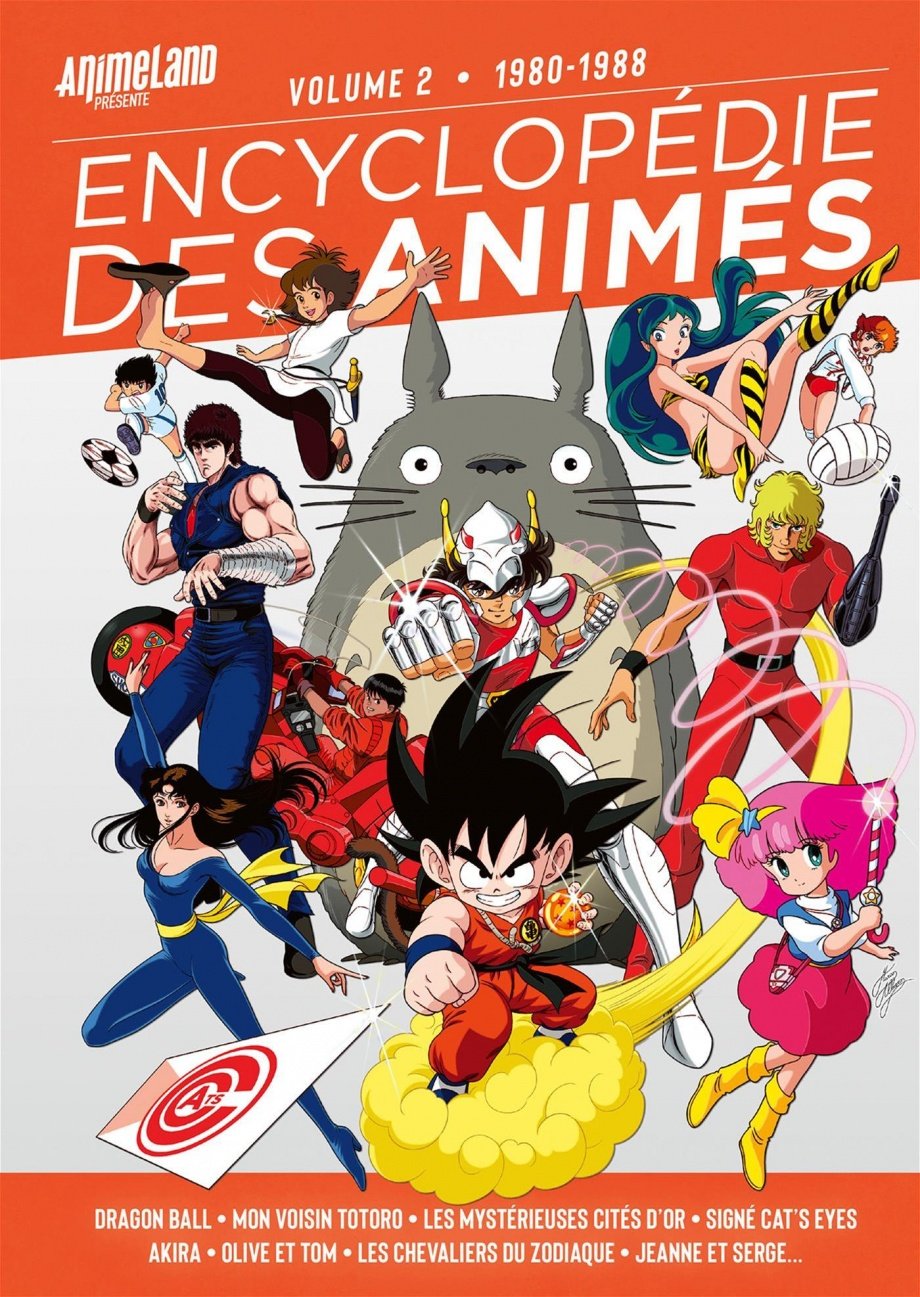
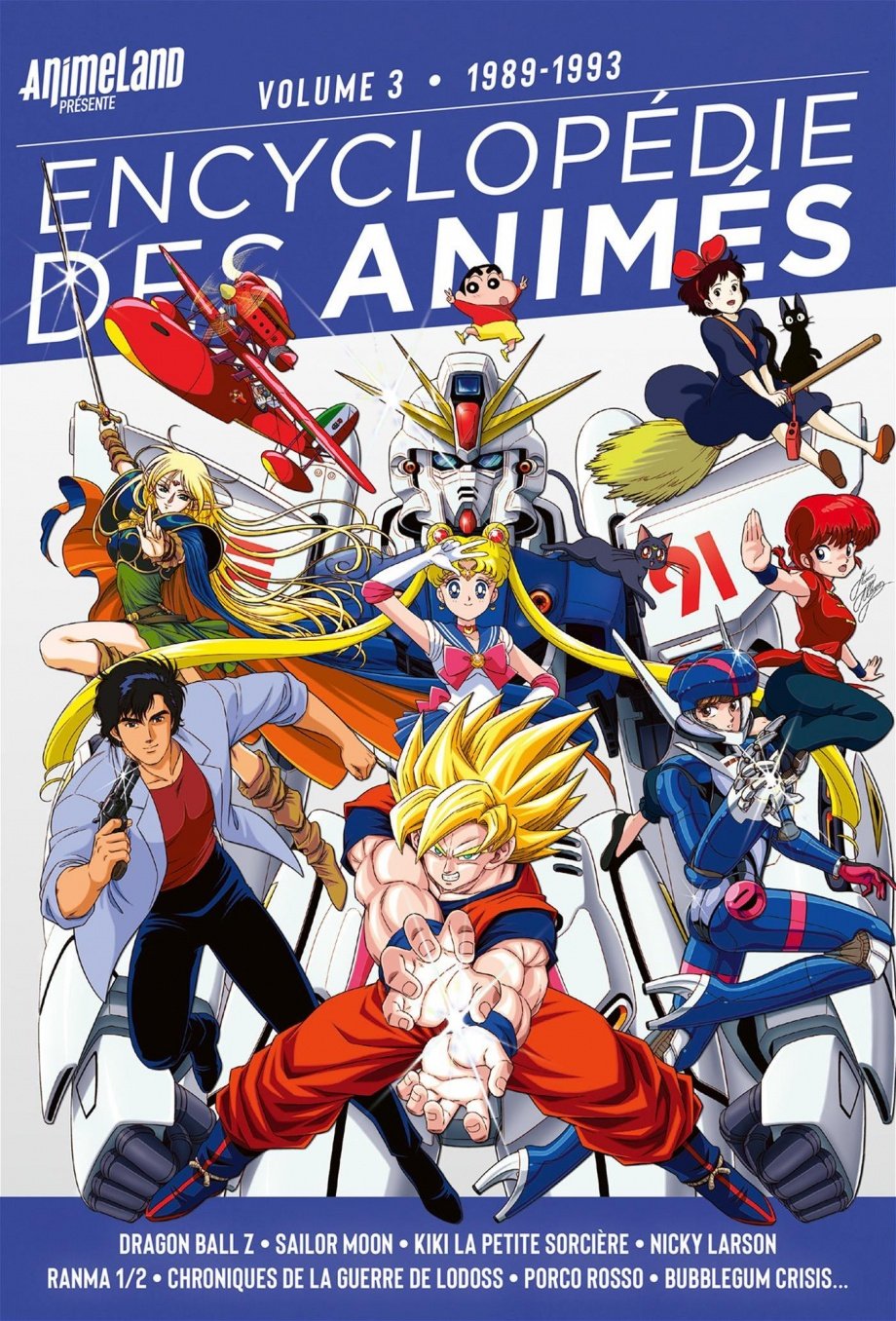
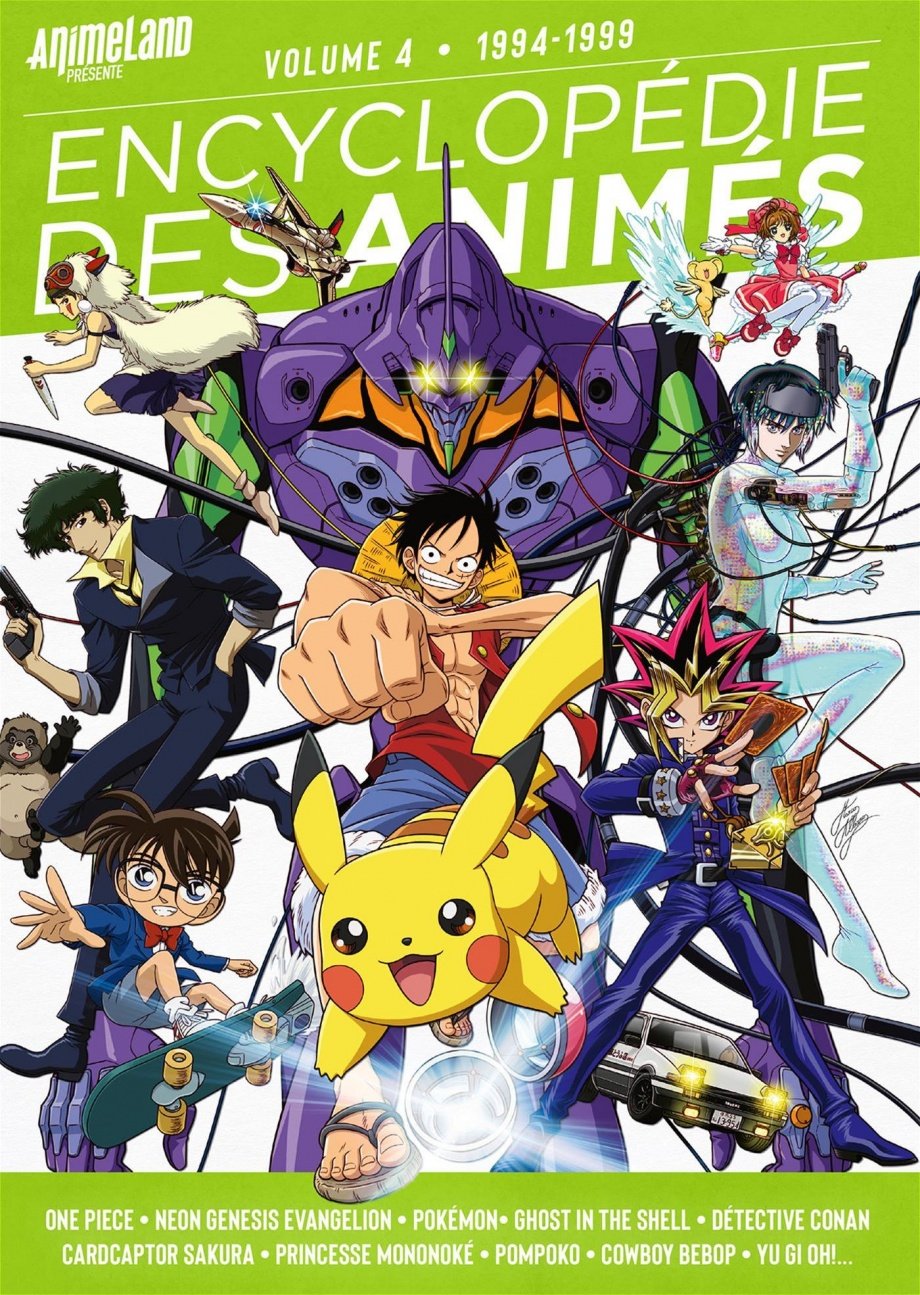

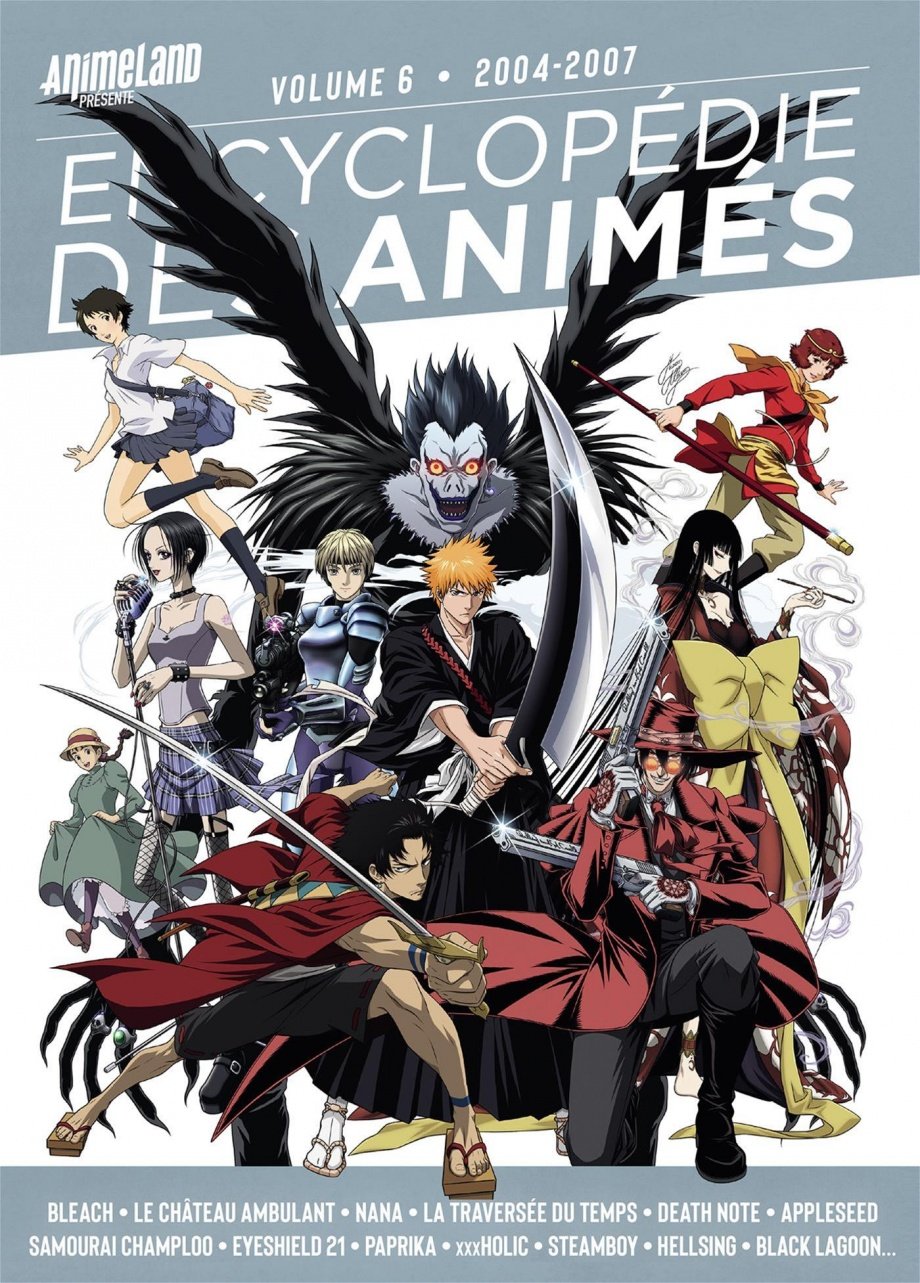




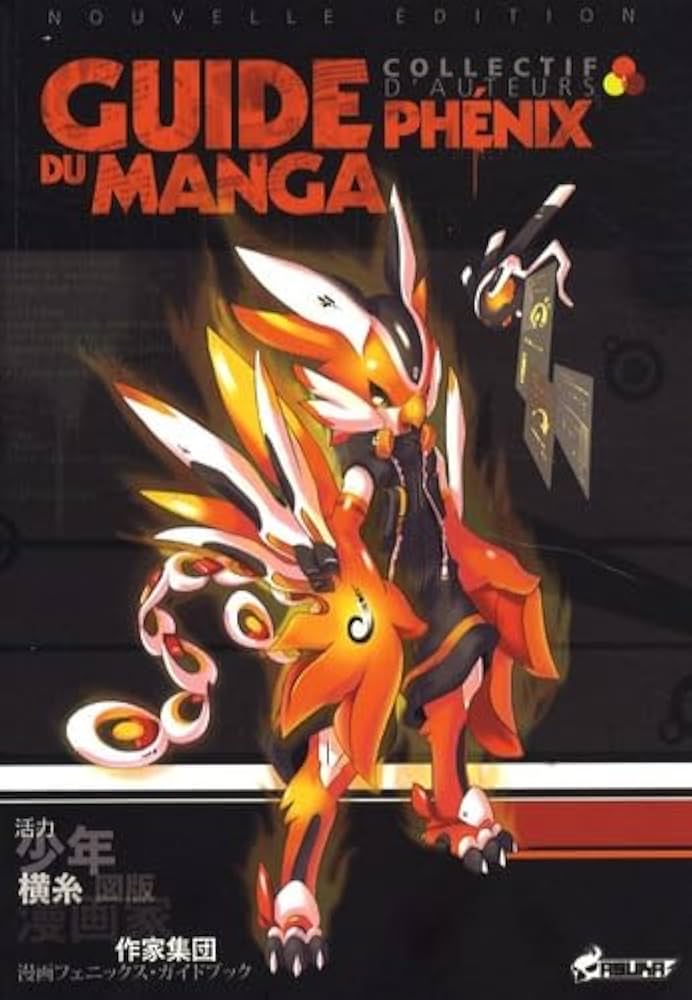
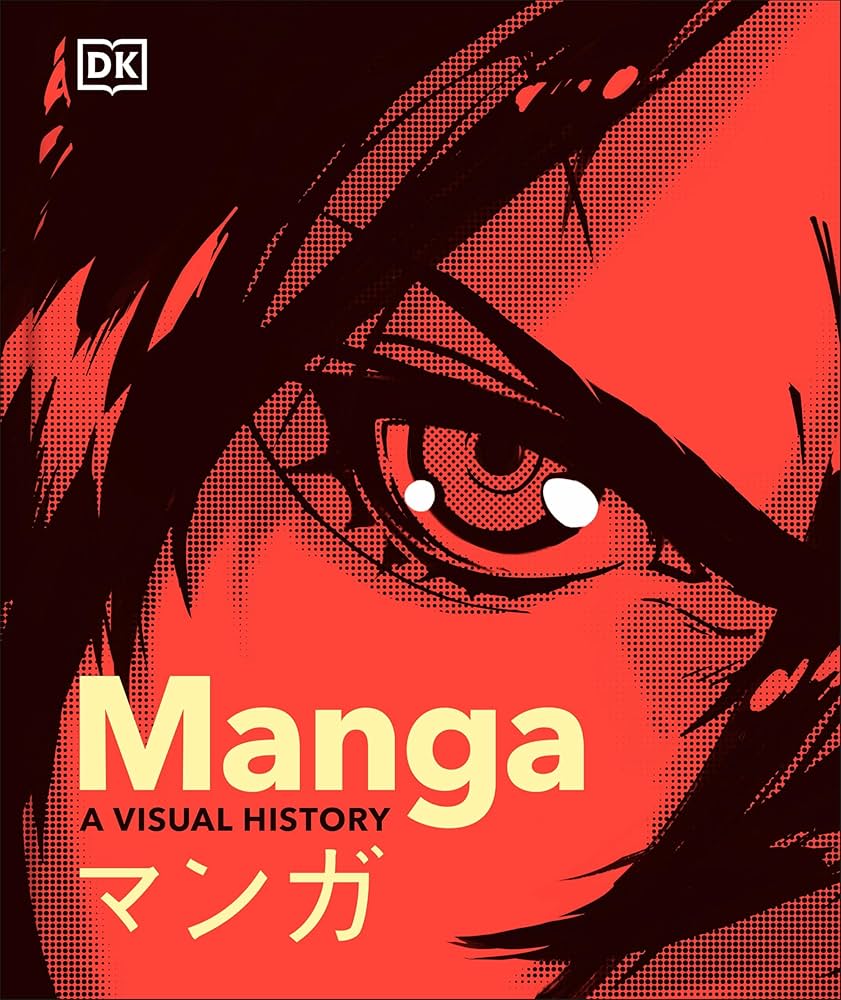
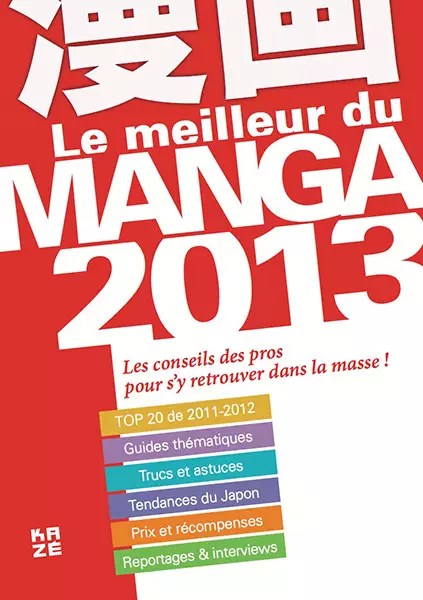


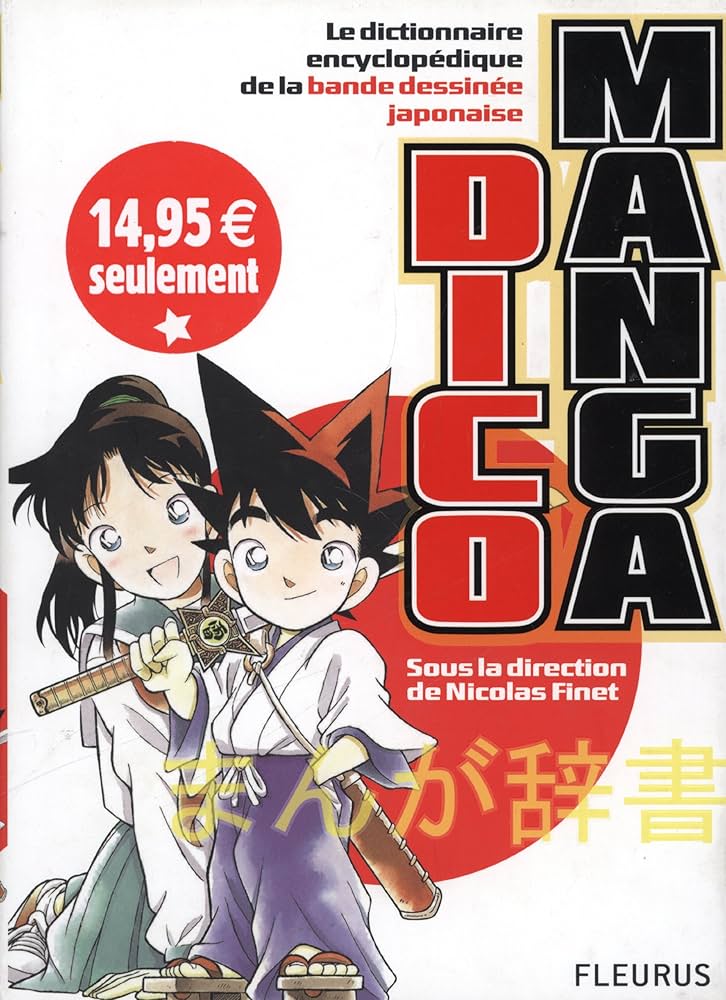

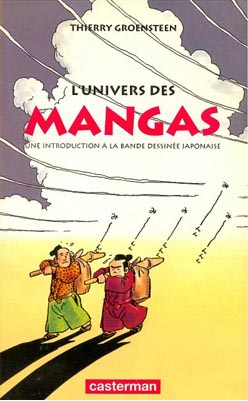


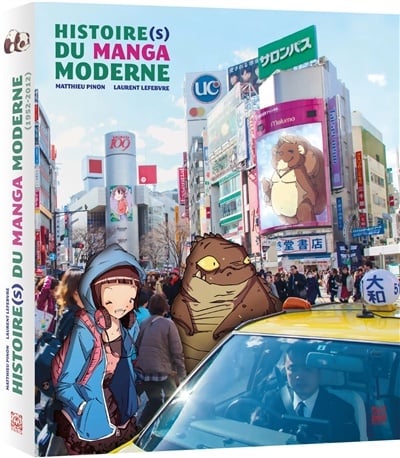
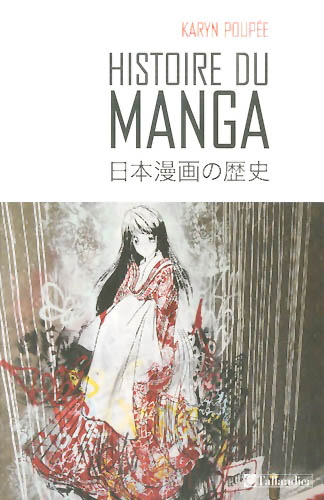


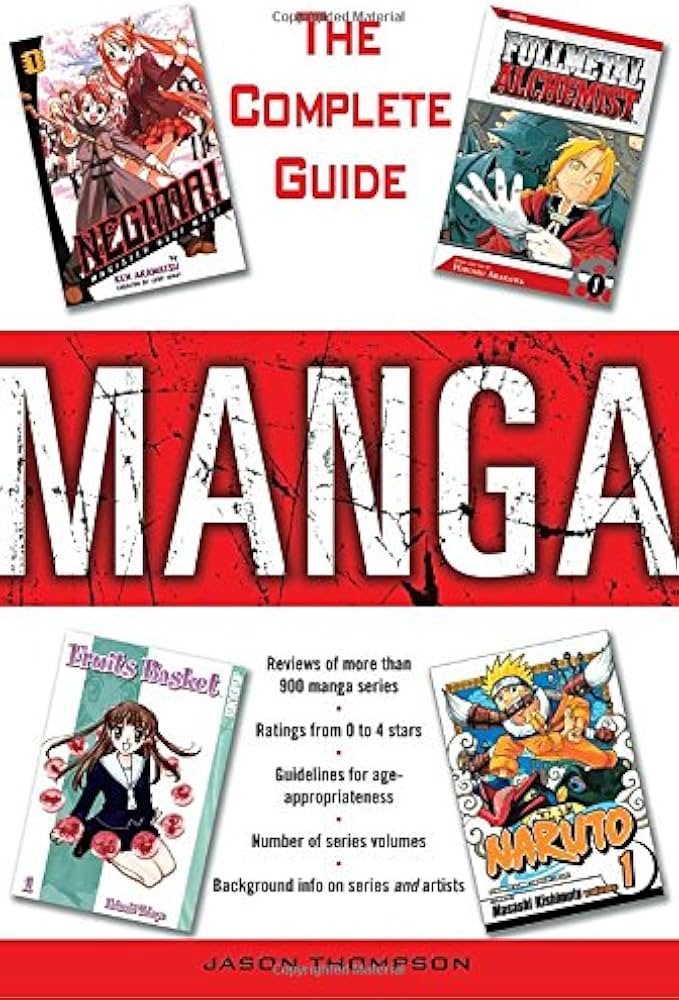


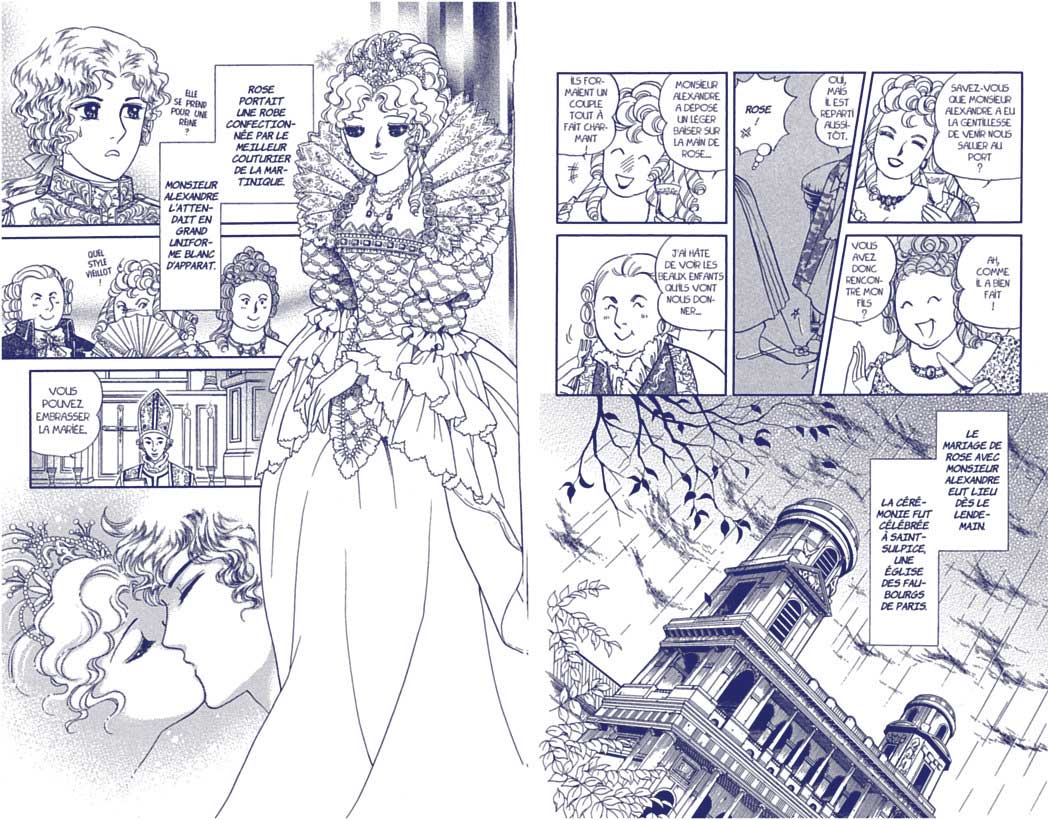
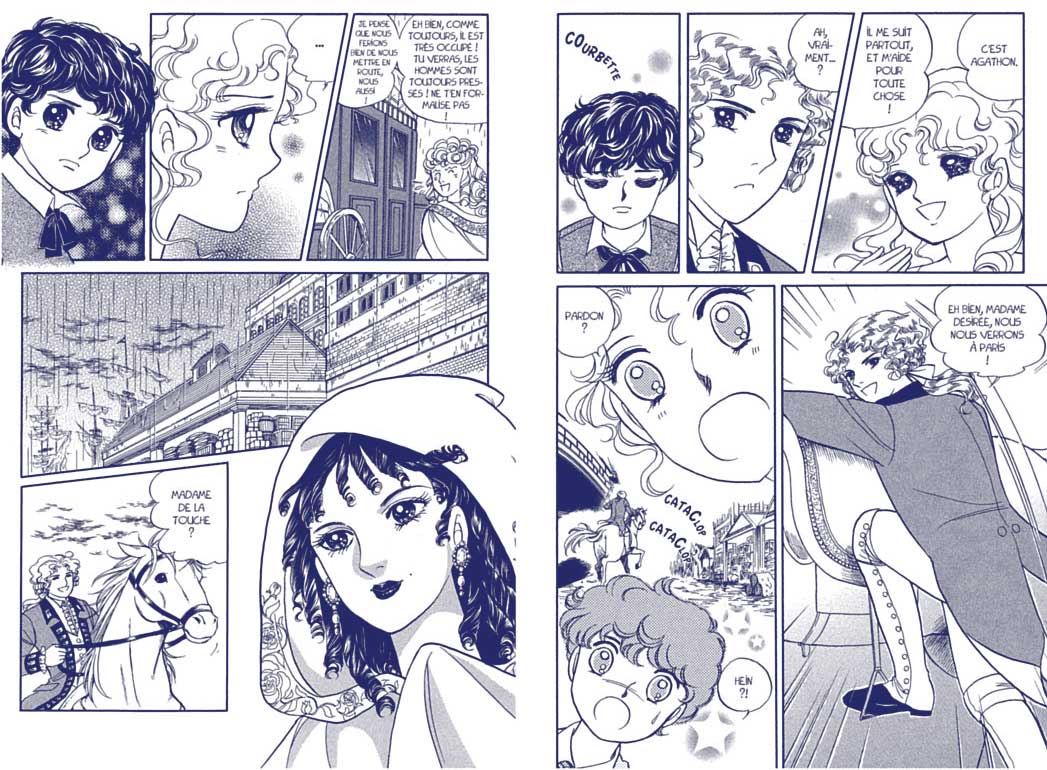


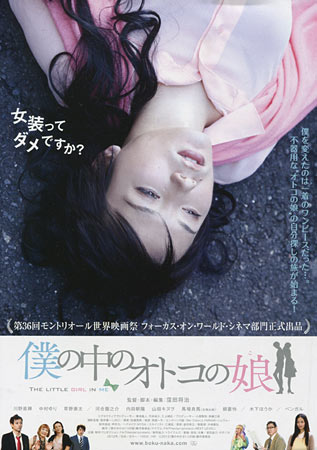


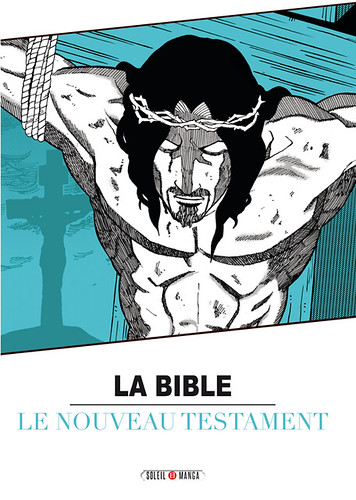
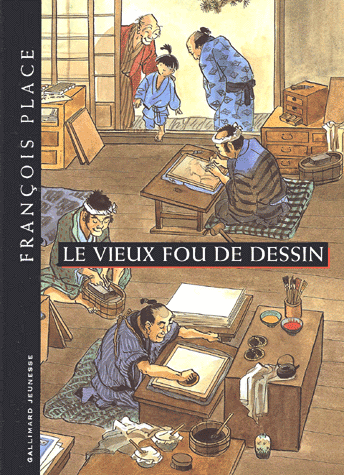


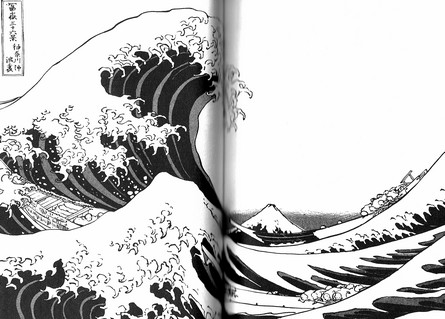


 Clodjee's Safe-House