“After his mother’s death, young Mahito moves to her hometown, where a mysterious heron leads him into a fantastic realm shared by the living and the dead.” [Description from Netflix]
The Boy and the Heron (君たちはどう生きるか / Kimitachi wa dō ikiru ka / lit. “How do you live?”)is the 12th feature-length movie directed by Miyazaki (despite having announced his retirement several time). It is inspired by his childhood and by Genzaburo Yoshino’s 1937 novel How Do You Live? which Miyazaki has read as a boy and is considering as one of his favourites books. The production lasted for seven years.
During WW2, after the fire-bombing of Tokyo, the twelve year-old Mahito moves to his family’s estate in the countryside. His sick mother has died and his father has remarried his mother’s sister.He feels watched by a strange grey heron. On the expansive estate, there’s an old tower built by his Great-Uncle and that is said to be cursed. He is told to keep away, but, as all teenagers, doesn’t listen. In a coming-of-age experience, the talking heron guides him into a strange parallel world out of time.
This is the weirdest of all Miyazaki’s movies. It is a mish-mash of everything: biographical elements, bits and pieces of most of his previous movies (even from his book Shuna’s Journey), the myth of Orpheus who visits the underworld to save his wife Eurydice, and even Snow White and the seven dwarves (in this case represented by seven old and ugly maids) ! It is a trip through the mind of Miyazaki (maybe he is the Master of the Tower and each of the doors of the tower leads to one of his universe?). It can be a very simple story (a boy saves his aunt/step mom from the meta universe or the boy has a feverish dream following a bad head injury ?) or a very complex metaphysical allegory that doesn’t make much sense. You choose. However, what ever you think of the story the fact remains that it is an incredibly beautiful hand-drawn animation (the backgrounds are really stunning and the effects when the boy runs through the burning streets of Tokyo are quite impressive). A must-see movie particularly if you are a fan of Miyazaki.
In 1969, an old Indiana Jones, broken by the death of his son in the war and separated from Marion, is finally retiring from his teaching job. He is visited by Helena, the daughter of his friend Basil Shaw, who seeks an artifact that Indy and Shaw took from some looting Nazis in 1944 and that Indy had promised her father that he would destroy: the Dial of Destiny (or half of it). However the artifact falls into the hands of an old Nazis (somehow helped by the CIA). Ensue a long chase through New York, Morocco and Greece to recover the artifact, finds clues to the location of its second half, recover it and prevent the ex-Nazis to change the course of history.
Meh. If the movie offers good action and is quite faithful to the character, it has nothing really new. My greater complain is that, of course, the Antikythera mechanism (the so-called dial of destiny) didn’t looked like that in reality when it was found, but it is nevertheless a very good plot device for the movie. There are also too many chase and fighting scenes to my taste. I would rather have had more scenes with Archimedes during the siege of Syracuse. The effects for the “de-aged” scenes (in the intro) are quite impressive — but no wonder that the advent of A.I. in movies are worrying the Actors’ Guild as they might not be needed anymore in a near future. Too bad it will also likely be the last Indiana Jones movie.
Over all, if it is not a very exciting movie (rated only 6.6 on IMDb or 69 % on RT), it is still quite enjoyable and entertaining.
It is the tradition for my Christmas vacations to read and watch lots of cartoons. Sometimes I read again the complete collection of Astérix or of Tintin. And, at this time of the year, there’s plenty of cartoon on TV. This year, since I am already reading plenty of manga, I decided to go in the documentary way. I’ve found and watched two interesting documentaries about famous cartoon artists (and I read a book of each for good mesure).
Who are you, Charlie Brown?
This documentary, narrated by Lupita Nyong’o, is covering three subjects. First, it brings us a new animated story where Charlie Brown agonize on the fact that he must write an essay about himself for school and he goes on a quest of self-discovery. Also, with the help of old interviews with Charles M Schulz (aka “Sparky”) and some of his close friends and family members we learn about who was the creator of Peanuts and about the genesis of the comics. Finally, fans, actors and other creators discuss the influence the comics had on them and on the global culture.
The documentary is interesting and also very entertaining, but also a little short and somewhat superficial. We see some early drawings of the Peanuts’ gang (a comic strip called Lil’ Folks) but it never mentions his other comic series, like Young Pillars (which I commented in 2015) or It’s Only a Game. It also doesn’t mention the fact that Schulz’ house was burned down during the Santa Rosa’s fire in October 2017. Fortunately, the nearby Charles M. Schulz Museum and Research Center, where the original illustrations are stored, was spared.Nevertheless, this documentary is a great way to celebrate the cultural icon that Charlie Brown is and introduce him to a new generation of comic readers.
Who are you, Charlie Brown? : USA, 2021, 54 min.; Dir.: Michael Bonfiglio; Scr.: Michael Bonfiglio & Marcella Steingart; Ed.: Tim K. Smith; Music: Jeff Morrow; Rated PG. It has received a score of 88% on Rotten Tomatoes (91% from the audience) and 7.2/10 on IMDb.
To learn more about this title you can consult the following web sites:
Of course, after viewing this documentary I was feeling like reading some old Charlie Brown comics. I chose a short one and got lost in nostalgia. When I was a kid, having outgrown the school library, I was making regular trips to one of the city’s libraries to borrow Peanuts’ compilations (the library was located on top of an old fire-station and it reeked of gaz and engine’ oil — for years after that the idea of a library was evoking in me a mix of awe and nauseous feelings!)
This book offers a selection of cartoons from the compilation The Way of the fussbudget is not easy, vol. III. Part of the Peanuts Coronet collection (#79), it was meant to provide a shorter and more affordable sampling of the Peanuts’ world. It present a single four-panel strip per page. The volume doesn’t have a particular thematic and I don’t know if the strips are in chronological order. It is simply a variety of stories involving all characters (Snoopy and Woodstock, Linus and Lucy, Peppermint Patty and Marcie, Schroeder, Pig-Pen, Spike, and, of course, Sally and Charlie Brown). It is a light reading that provides mindless vintage entertainment.
Page 24-25
Nice shot, Snoopy!, by Charles M Schulz. New York: Fawcett Crest (Ballantine Books/Random House), May 1988. 128 pages, 4.25 x 7 in., $US 2.95 / $C 3.95, ISBN 0-449-21404-4. For readership of all ages.
For more information you can check the following websites:
This is an older documentary but I just discovered it. It explores the phenomenon that is the comic strip Calvin and Hobbes, interview lots of people (fans, actor Seth Green, editor Lee Salem and other artists) who pay tribute to its popularity and talk about how it influenced them and the global culture. It also talks a little about its creator, Bill Watterson, who NEVER appears in the documentary (apparently he is a very shy and private person).
It is a very interesting documentary and it reminded me of all the reasons why Calvin and Hobbes was my favourite comic strip. Unfortunately, I was quite disappointed that I couldn’t learn more about its creator (although I can understand why someone who’s such a purist about his art would shy away fame and a fortune in licensing). However, the documentary also talk about the cartoon world in general and, if I couldn’t see Mr. Watterson, I could hear from many of the artists who created other strips that I like a lot too: Berkeley Breathed (Bloom County), Stephan Pastis (Pearls Before Swine), Jan Eliot (Stone Soup), Bill Amend (FoxTrot), Wiley Miller (Non Sequitur), Dan Piraro (Bizarro), etc. It was definitively worth watching.
Dear Mr. Watterson : USA, 2013, 89 min.; Dir.: Joel Allen Schroeder; Phot.: Andrew Waruszewski; Ed.: Joel Allen Schroeder; Music: Mike Boggs; Prod.: Chris Browne & Matt McUsic; Rated PG. It has received a score of 62% on Rotten Tomatoes (51% from the audience), 54% on Metacritic and 6.4/10 on IMDb.
To learn more about this title you can consult the following web sites:
Again, watching this documentary made me want to read the comic again. I have a little less than a dozen compilations and I chose to read the one that I thought would be the most representative: The Essential Calvin and Hobbes, which includes all strips from the first two compilations (Calvin and Hobbes and Something Under the Bed Is Drooling). In this strip we enviously follow the (mis)adventures of an over-imaginative boy with his pet (stuffed?) tiger. It is superbly drawn in a simple, clean but descriptive style. The humour is brilliant. It is both entertaining and full of meaning. A must read.
Page 247
Page 225
Page 228
The Essential Calvin and Hobbes, by Bill Watterson. Kansas City: Andrews & McMeel (Universal Press Syndicate), March 1989. 256 pages, 8.5 x 10.7 in., $US $18.99 / $C 37.99, ISBN 0-8362-1805-1. For teenage readership (12+).
For more information you can check the following websites:
During the Civil War some people from Jones County in Mississippi got tired to be regularly fleeced by the confederate army. So a bunch of farmers and escaped slaves decided to fight back and, since they couldn’t get help from the North either, they created their own independent country. In parallel we follow a descendant of the main character who, eighty-five years later, is on trial for intermarrying while being one-eight black! An historical movie that just shows us things never change. An interesting movie to watch now as the Republicans try to roll back the African American right to vote. It is certainly a difficult subject and that’s probably why it was not well received by the viewers and didn’t make any money (they recovered just about half of the production cost!). Personally, I quite enjoyed it: despite the controversial subject it manages to remain entertaining, as there is a good deal of action, it is interesting because it is based on a true story and it is beautifully filmed. What more could I asked? It’s on Netflix, so give it a try!
This is quite an interesting post-apocalyptic movie. The survivor of a solar flare that devastated earth build a robot to take care of his dog when he will be gone — he suffers from radiation sickness since the flare destroyed the ozone layer and earth is bathed in cosmic rays. Because there’s a huge storm coming he must leave his refuge and decide to travel to San Francisco. Through the journey we learn a little more about his past and how the human civilisation was destroyed. However he has little time left to train the robot and teach him concepts like caring and trust. It feels like a prequel to Simak’s novel, City, where a robot and some talking dogs are overseeing a post-human civilization. As the robot is like a little kid, this is a kind of coming of age story. It is surprising how much a single actor (well, it’s Tom Hanks after all), a CGI robot and a dog can be entertaining !
Finch : USA, 2021, 115 min.; Dir.: Miguel Sapochnik; Scr.: Craig Luck & Ivor Powell; Phot.: Jo Willems; Ed.: Tim Porter; Music: Gustavo Santaolalla; Cast:Tom Hanks and Caleb Landry Jones (motion-captured Jeff); Rated PG. It has received a score of 73% on Rotten Tomatoes (66% from the audience), 57% on Metacritic and 6.9/10 on IMDb.
To learn more about this title you can consult the following web sites:
More Tom Hanks. A former Confederate officer, who has nothing left to go back to, is traveling from town to town reading newspapers to the busy locals for a meagre fee. During his travels he finds a young girl of German origin who was kidnapped and raised by Native American and now speaks only Kiowa. He brings her to the local outpost of the Bureau of Indian Affairs so she can be repatriated to Castroville where she has surviving relatives, but the army — too busy trying to maintain law and order — cannot take care of her. Reluctantly, he decides to undertake the four hundred miles journey on his own. After facing many dangers he succeeds in his mission, only to realize that her relatives would only use her as a labourer on their farm wasting her great potential… It could be just a cute adventure movie if it was not loaded with civil rights implications (the relocation of Native Americans in Indian Territory) and set in such a gritty and harsh environment. I didn’t realize that Texas was such a dry place. It is a western full of action, but also rich in thought provoking concepts which highlights a very interesting period of American history: the Reconstruction era. The peace took a long time to come back particularly in frontier area like Texas. It makes of this movie a fascinating story (unfortunately it didn’t make any money, recovering only a third of its production cost… A shame!).
News of the world : USA, 2020, 118 min.; Dir.: Paul Greengrass; Scr.: Paul Greengrass & Luke Davies (based on the novel by Paulette Jiles); Phot.: Dariusz Wolski; Ed.: William Goldenberg; Music: James Newton Howard; Cast:Tom Hanks (Captain Jefferson Kyle Kidd), Helena Zengel (Johanna Leonberger / Cicada), Elizabeth Marvel (Ella Gannett); Rated PG. It has received a score of 88% on Rotten Tomatoes (89% from the audience), 73% on Metacritic and 6.8/10 on IMDb. ***
To learn more about this title you can consult the following web sites:
It tells the story of photojournalist Makoto Fukamachi who, while covering a failed attempt to climb the Everest in Kathmandu, hears that Mallory’s camera has been found. If true this would change the history of mountain-climbing if someone had a definitive proof that Mallory’s expedition had been the first (or not) to reach the summit. Fukamachi thinks that the man in possession of the camera is Jôji Habu, a Japanese mountaineer that has not been seen for years. Back in Japan, he starts investigating Habu, researching archives and interviewing some of his old colleagues and friends. Through his investigation — which has become an obsession — we learn more about who is this Habu. Fukamachi finally catches up to him in the Himalayas as he is preparing to climb the Everest southwest face in winter and without oxygen ! He proposes him to cover his expedition and slowly earns his friendship and trust. What mountaineers seek is the thrill of the journey and achieving the goal, sometimes forgetting about their safety or even the necessity of a return trip…
It is a beautiful story, full of action and suspense, that constitute an ode to mountaineering. As far as I can tell, it seems quite faithful to the manga. The animation is really splendid and is quite a tribute to Taniguchi’s superb artwork. A must-see !
The summit of the gods : France / Luxembourg, 2021, 90 min.; Dir.: Patrick Imbert; Scr.: Patrick Imbert, Magali Pouzol & Jean-Charles Ostorero (based on the manga by Jiro Taniguchi and the 1998 novel by Baku Yumemakura); Dir. Art.: David Coquard-Dassault; Ed.: Benjamin Massoubre & Camillelvis Théry; Music: Amine Bouhafa; Prod.: Folivari & Mélusine; VoiceCast:Damien Boisseau (Fukamachi), Lazare Herson-Macarel (young Habu), Eric Herson-Macarel (old Habu), Kylian Rehlinger (Kishi), Philippe Vincent (editor in chief), Gautier Battoue (young Inoue), Jérôme Keen (old Inoue), Elisabeth Ventura (Ryoko), François Dunoyer (Ang Tsering), Luc Bernard (Ito), Marc Arnaud (Hase), Cédric Dumond (Nima); Rated PG. It has received a score of 100% on Rotten Tomatoes (86% from the audience), 78% on Metacritic and 7.5/10 on IMDb.
To learn more about this title you can consult the following web sites:
The House Atreides receives as a new fief from the Padishah EmperorShaddam Corrino IV the planet Arrakis. It was previously under the rule of their arch-enemy, the House Harkonnen, and is the only source of the most precious substance in the universe, the Spice, as it is essential to the Spacing GuildNavigators. It expands consciousness, giving them the prescience needed for interstellar travel. However, it is a poisonous gift. House Atreides has become too powerful and the Emperor seeks to destroy them. Unassuming young Paul Atreides, the only son to the Duke, must leave his beloved Caladan for the dangerous desert planet. After an assassination attempt, the betrayal of his family by the Imperial House and the invasion of his new home by the cruel Harkonnen, he must flee with his mother into the desert and seek refuge among its native population, the Fremen. Against all rules of her Order, Paul has been trained by his mother in the Bene Gesserit way which gives him an hidden advantage. Quickly, the young boy will have to become a man and step into a prophetized future…
As far as I can remember the novel, the movie seems to be faithful to the original story. It seems to be the best adaptation of the novel so far. Some aspects were changed or removed to better suit a cinematic narration but the original spirit of the book is all there. None of those changes bother me. It was quite a powerful book and the movie is even more powerful as it offer strong imagery and soundtrack. The action is good. The cast is well chosen (Zendaya as Chani is perfect!). My only complaint is… where and when is the rest of the story !!! I can’t wait for the release of the second part. Unfortunately I don’t think there’s any planning for going further than the first book… A must-see if you like great sci-fi or are a fan of the novel.
A movie with Sophia Loren based on a novel by Emile Ajar about a young troubled Nigerian boy taken in by a retired prostitute who survived the nazi dead camps. The original story was set in Paris, but for the purpose of this movie they moved it to the city of Bari in Italy. The director is the son of Sophia Loren and Carlo Ponti Sr. The same story was also adapted by Moshé Mizrahi in a 1977 movie titled Madame Rosaand starringSimone Signoret. It is a beautiful but slow movie (like most European film). It is amazing that Loren can still perform so well in her eighties!
The Life Ahead (Lavita davanti a sé): Italy, 2020, 95 min.; Dir.: Edoardo Ponti; Scr.: Edoardo Ponti & Ugo Chiti (baed on the novel La vie devant soiby Emile Ajar (Romain Gary); Phot.: Angus Hudson; Ed.: Jacopo Quadri; Music: Gabriel Yared; Cast: Sophia Loren (Madame Rosa), Ibrahima Gueye (Momo), Abril Zamora (Lola), Renato Carpentieri (Dr. Coen), Babak Karimi (Hamil), Massimiliano Rossi (drug dealer); Rated PG. It has received a score of 92% on Rotten Tomatoes (76% from the audience), 66% on Metacritic and 6.8/10 on IMDb.
To learn more about this title you can consult the following web sites:
This movie gives us a romantic adaptation of the true story of the discovery of what would become the king tut of Britain… In 1939, as WW2 looms, a Suffolklandowner hires a local amateur archaeologist to investigate a series of tumuli that reveal to be an Anglo-Saxonship burial dating from the 6th or 7th century, belonging possibly to King Rædwald of East Anglia. It is now known as the ship burial of Sutton Hoo and constitute what is probably the greatest treasure ever discovered in the United Kingdom. The story is interesting because it shows that countryside archaeology is nothing simple or glamorous as it reveals all the gritty details of the endeavour. The movie is not entirely accurate as it has diminished the importance of Peggy Piggott (played by Lily James), changed the age of some characters and eliminated the people (Mercie Lack, Barbara Wagstaff and O.G.S. Crawford) who documented the dig with photography to replace them by one single fictional character, Rory Lomax, in order to simplify the story and add a romantic interest for the main character. It remains entertaining and quite educational as it teach viewers about an important discovery.
Another very good Tarantino movie, full of stars, drama, suspense and, of course, violence. We follow an has-been western actor (Rick Dalton played by DiCaprio) and his buddy stunt-double (Cliff Booth played by Pitt) as they keep criss-closing path with their neighbours, the Polanski/Tate couple, and a group of hippies. The fateful night when they all meet is approaching… Tarantino uses a couple of fictional characters to weave a complex storyline that skillfully mixes comedy with drama and tell the nostalgic story of a film industry that is about to move from its fading Golden age to a new era. It is a compelling movie that is both entertaining and edifying as it is full of interesting cultural references. And I never saw the twist of the end coming !
“Armed with only one word—Tenet—and fighting for the survival of the entire world, the Protagonist journeys through a twilight world of international espionage on a mission that will unfold in something beyond real time.
It has been a while since I’ve been surprised by a movie with a really original story…
A CIA agent find himself involved in a temporal war. I don’t know how much more I should say about the story without giving any spoilers… Consider yourself WARNED[just highlight to read]. People in a future earth ravaged by climate change try to save themselves by destroying their past — with a time f*ck up. Obviously they don’t believe in the Grand-Father Paradox. But another faction don’t want to take that risk and try to stop the plan. All is fought in our now…(END OF WARNING!).
It is a great movie with good action and an interesting story. The storytelling is obviously complex and I am sure that there’s holes in the storyline — you really have to pay attention — but at some point I don’t really care. I just want to be entertained and to enjoy the movie. It makes the most beautifully fascinating use of the Sator Square ! It was great and it is really worth watching.
“En Grèce, sur une île des Cyclades, un homme se souvient de la ville d’Alexandrie. Avec une mémoire d’archiviste, il raconte ce qu’il a vécu là-bas avant la Seconde Guerre mondiale. Narrateur anonyme, Anglo-Irlandais entre deux âges, professeur par nécessité, il classe ses souvenirs, raconte son amour pour Justine, une jeune pianiste séduisante, un peu nymphomane et somnambule ; il évoque sa liaison avec l’émouvante Melissa, sa maîtresse phtisique. D’autres personnages se dessinent. D’abord Nessim, le mari amoureux et complaisant de Justine, Pombal, le Français, Clea, l’artiste-peintre, Balthazar, le médecin philosophe. Mais Justine, d’abord Justine, est au coeur de ce noeud serré, complexe, étrange, d’amours multiples et incertaines…
En achevant le premier tome de son fameux Quatuor d’Alexandrie (Balthazar, Mountolive et Clea succéderont à Justine et seront publiés entre 1957 et 1960), Lawrence Durrell (1912-1990) en donna à son ami Henry Miller une définition devenue célèbre : “C’est une sorte de poème en prose adressé à l’une des grandes capitales du coeur, la Capitale de la mémoire…””
Un Britannique déchu, l’aspirant romancier et enseignant L.G. Darley, évoque les souvenirs d’une affaire qu’il a eu à Alexandrie avec la passionnée Justine Hosnari et par ce fait tente de s’exorciser de cet amour impossible. Justine est un roman d’atmosphère sur l’amour — l’amour d’une femme mais surtout l’amour d’une cité: Alexandrie. C’est très beau, très bien écrit mais aussi un peu ennuyant. Cela m’a pris presque deux ans à lire ces deux-cent cinquante pages, dans mes moments libres, entre d’autres livres. C’est la première partie d’une tétralogie (Le Quatuor d’Alexandrie) où chacune des parties est plus ou moins axées sur un personnage différent (Justine, Balthazar, Mountolive et Cléa), offrant chaque fois une perspective différentes sur l’entourage du narrateur (L.G. Darley).
L’auteur, Lawrence Durrell, est un homme très cosmopolite qui haïssait l’Angleterre (sa société rigide et son climat). Né en Inde il a successivement habité à Corfou en Grèce, à Paris (où il a collaboré avec Henry Miller, Anaïs Nin et Alfred Perlès), à Alexandrie (où il était attaché de presse de l’ambassade Britannique), à Rhodes, en Argentine (où il travaillait pour le British Council Institute), en Yougoslavie, à Chypre (où il a été enseignant) et il s’est établi finalement dans le sud de la France. Le Quatuor d’Alexandrie a définitivement des accents autobiographiques, Durrell s’inspirant d’éléments de sa propre vie: son travail pour le gouvernement Britannique, le fait que sa première épouse s’installe à Jérusalem après leur séparation (comme Justine qui part pour un kibboutz en Palestine), et sa deuxième femme (Eve, une juive alexandrine) étant hospitalisée en Angleterre suite à une dépression, il s’installe à Chypre avec leur fille et prend un travail d’enseignant (comme le narrateur du roman). Et il a sûrement beaucoup aimé la ville d’Alexandrie… C’est là qu’il a rencontré Eve. C’est une ville cosmopolite comme lui, qui offre un complexe mélange de toutes les cultures et toutes les religions. Riches et pauvres s’y côtoient, partageant une culture tant Européenne qu’Arabe, sans trop s’offusquer des moeurs ou de la religion de chacun, qu’ils soient musulmans, juifs, orthodoxes ou chrétiens.
Justine, publié en 1957, a été écrit pendant le séjour de Durrell à Chypre (1952-56). Si il a une belle écriture et qu’il utilise une prose sensuelle et poétique, son style est plutôt expérimental pour l’époque. La narration est désarticulée, avançant et reculant au fil des souvenirs et des sentiments du personnage principal. Et comme ces flashbacks interviennent généralement sans la moindre transition, cela peut laisser le lecteur confus. Si le coeur du récit est le triangle amoureux entre le narrateur, Justine et son mari, le banquier copte Nessim, Durrell y ajoute un ensemble de personnages colorés qu’il utilise pour évoquer la beauté et la diversité de l’Alexandrie d’avant-guerre, ajouter une intrigue socio-politique et même un discours philosophique (voir mystique, au travers du groupe d’adeptes de la Cabbale qui se réunit autour de Balthazar). Toutefois, il s’en sert surtout pour donner une perspective multiple au récit (un peu comme dans le film Rashōmon). C’est aussi en quelque sorte un concept dickien, puisqu’il explore comment notre perception de la réalité est somme toute relative…
“Nous cherchons tous des motifs rationnels de croire à l’absurde. (…) après tous les ouvrages des philosophes sur son âme et des docteurs sur son corps, que pouvons-nous affirmer que nous sachions réellement sur l’Homme? Qu’il est, en fin de compte, qu’un passage pour les liquides et les solides, un tuyau de chair.”
— Lawrence Durrell, Justine (Le Quatuor d’Alexandrie, Le livre de Poche, p. 93) [une réflexion qui rappelle beaucoup Marcus Aurelius dans ses Pensées pour moi-même]
Cette complexité stylistique fait de ce roman, paradoxalement, à la fois un texte attrayant qui captive par sa beauté (au point qu’on en continue la lecture parfois sans même porter attention au récit) et une lecture difficile, voir même par moment désagréable. Je ne sais trop si c’est parce que j’ai lu ce roman par petits bouts, ou parce que j’ai changé plusieurs fois de la version originale à la traduction française (selon la disponibilité du document) mais l’écriture de Durrell m’est apparu compliquée et même parfois difficile à déchiffrer. Il me fallait souvent relire un paragraphe plus d’une fois pour en saisir le sens — certaines phrases échappant totalement à ma compréhension! C’est la version originale qui m’a donné le plus de fil à retordre. Est-ce dû à mon niveau de lecture de la langue de Shakespeare (que je croyais pourtant excellente) ou est-ce que le traducteur français en a poli le texte plus qu’il n’aurait dû en arrondissant certains angles du style de Durrell? Ou alors c’est simplement le style désarticulée de Durrell qui est très demandant. Étrangement, pour passer le temps au travail, j’ai commencé à lire le second tome, Balthazar. Je le lis par curiosité sans avoir vraiment l’intension de le terminer. Chose surprenante, je trouve cette lecture plus facile et plus agréable. Sans vraiment parler d’ “action”, l’histoire progresse plus rapidement et est moins “atmosphérique.” Avec la seconde partie, l’auteur a probablement trouvé son rythme… On verra si j’en continue la lecture…
D’une certaine façon ce roman m’a plus intéressé pour ce qu’il reflétait de la vie de son auteur que pour son récit lui-même. Durrell est un auteur réputé (qui a même été considéré pour un prix Nobel de littérature) et Justine (en fait, l’ensemble de la tétralogie) est considéré comme son chef-d’oeuvre, se plaçant soixante-dixième parmi les cents meilleurs romans de langue anglaise du vingtième siècle. Alors, même si mon impression est plutôt mitigé parce que j’en ai trouvé la lecture difficile, je crois que c’est tout de même un beau roman, profond, qui mérite d’être lu.
Justine (The Alexandria Quartet #1), by Lawrence Durrell. New York: Penguin, July 1991. 253 pages, $19.00 US / $22.50 CND. ISBN 9780140153194.
Vous trouverez plus d’information sur les sites suivants:
Le Quatuor d’Alexandrie (Justine, Balthazar, Mountolive, Clea) par Lawrence Durrell (Traduction parRoger Giroux). Paris: Livre de Poche (Coll. Classiques modernes / Pochothèque), octobre 1992. 1056 pages, 25,00 € / $44.95 Can., ISBN 978-2-330-07074-8. Pour lectorat jeune adulte (16+).
Quelle ne fut pas ma surprise de découvrir que la tétralogie a été adapté en un film hollywoodien à la fin des année soixante ! Il est décrit comme “Les amours d’un jeune Anglais à Alexandrie à la fin des années 1930 avec une prostituée et la femme d’un riche banquier qui complote contre les Anglais” (Wikipedia).
Le film me semble relativement fidèle au roman. Bien sûr certaines scènes ont été changées et, comme je n’ai lu que le premier quart de la tétralogie, je ne peut pas juger du reste. Je me demande cependant si la partie avec le traffic d’arme et le fait que Darley a été manipulé par Justine a été ajouté pour le film ou si c’est simplement dans la partie du roman que je n’ai pas lu. Si cela représente bien reste de l’histoire, je suis intrigué et peut-être continuerai-je à le lire… Le roman se lit peut être comme un oignon et, avec chaque nouvelle partie, Darley découvre sans doute des vérités de plus en plus profondes sur Justine…
Le film offre une narration bien évidemment linéaire avec juste les éléments essentiels de l’intrigue. Vu de cette façon les personnages sont étrangement bidimentionnels. Est-ce que cela fait du sens pour celui qui n’a pas lu le roman? Et le film nous présente une Alexandrie qui semble plus perverse que belle…
Malheureusement, malgré un casting rempli d’acteurs connus, le film fut un échec total puisqu’il ne rapporta qu’un peu plus de deux millions de dollars au Box Office (alors qu’il en a coûté presque huit à produire).Il semble aussi qu’il ait fait piètre impression sur l’audience qui ne lui a donné une cote que 5.6 / 10 sur IMBd et 36% sur Rotten Tomatoes.
Toutefois, ce qui est vraiment intéressant (et amusant) dans cette expérience de lecture, c’est ce qui m’a fait découvrir Lawrence Durrell — et toute sa famille. Car, à une exception près, ce sont tous des auteurs publiés que j’ai découvert en regardant sur PBS la série télé de la ITV Les Durrells à Corfou(The Durrells). Cette série télé de vingt-six épisodes relate les mésaventures (parfois loufoques) de la famille durant un séjour de quatre ans (1935–1939) sur l’île grecque de Corfou.
À la mort de son époux à Dalhousie, en Inde, en 1928, Louisa Durrell décide de déménager sa famille en Angleterre, à Bournemouth (Dorset), en 1932. Mais la famille y est misérable et à l’instigation de l’aîné — Lawrence (Larry), qui suggère qu’un climat tempéré serait plus agréable — elle déménage à nouveau à Corfou en 1935. Lawrence, vingt-trois ans et écrivain en herbe, s’y rend en premier avec son épouse Nancy Myers. Louisa l’y rejoint avec le reste de la famille: Leslie (dix-huit ans, dont l’intérêt se limite à la chasse et aux armes à feux), Margaret (Margo, seize ans et égocentrique, qui s’intéresse surtout aux garçons) et le cadet Gerald (Gerry, dix ans, qui ne s’intéresse qu’aux animaux). Ils seront aidé dans leur aventures par le chauffeur de taxi exubérant Spýros Hakaiópoulos et le médecin, naturaliste et traducteur Theódoros (Théo) Stefanídis. Chose amusante, si Lawrence parle de son séjour à Corfou dans son livre Prospero’s Cell, il y mentionne à peine la présence de sa famille. À l’opposé, Gerry, dans sa Trilogie de Corfou, ne mentionne jamais la présence de Nancy, la femme de Lawrence, ce qui fait qu’elle n’apparait pas dans la série télé… Avec le début de la deuxième guerre mondiale et l’invasion imminente de la Grèce par les Allemands, la famille retourne en Angleterre en 1939. Lawrence et Nancy, quant à eux, fuient à Alexandrie en 1941.
La série télé est très amusante et divertissante. Je la recommande chaudement.
En plus de l’oeuvre prolifique de Lawrence Durrell (dont Citrons acides qui relate son séjour à Chypre), son frère Gerald a écrit plusieurs ouvrage sur son travail de naturaliste et de conservationniste (il a pour ainsi dire réinventé le concept moderne du zoo) mais il est surtout connu pour sa “Trilogie de Corfou” (Ma famille et autres animauxpublié en 1956 [Nelligan], Oiseaux, bêtes et grande personnes publié en 1969 et Le jardin des dieux publié en 1978) qui relate avec beaucoup d’humour le séjour de la famille en Grèce et a inspiré la série télé.Même sa soeur Margaret a écrit un livre sur la pension de famille qu’elle a tenu à Bournemouth après le retour de Grèce, intitulé Whatever happened to Margo? [Nelligan], écrit dans les années ’60 et publié par sa petite-fille en 1995 (qui a retrouvé le manuscrit dans le grenier). Je vais m’efforcer de lire quelques uns de ces ouvrages et de les commenter plus tard…
À noter aussi que le 11 mars 1968 Lawrence Durrell a été interviewé à Radio-Canada sur l’émission Le Sel de la Semaine, animée par Fernand Seguin. L’entrevue est disponible sur les archives de Radio-Canada, sur Youtube et sur DVD [Nelligan]. On la décrit ainsi: “Lors de son passage au «Sel de la semaine», l’écrivain dévoile la source de son inspiration pour son chef-d’oeuvre [«Quatuor d’Alexandrie»]. L’animateur le questionne d’abord sur son parcours inusité, sur son enfance, sa carrière diplomatique, sa discipline d’écriture, ses rencontres, entre autres sa rencontre déterminante avec l’Américain Henry Miller”. C’est fort intéressant d’entendre l’auteur lui-même parler de sa vie et de son oeuvre.
“World War IV is over, but a bomb has gone off in Newport City, killing a major arms dealer who may have ties with the mysterious 501 Organization.” [Text from Netflix, see also the Japanese trailer]
In the first episode (June 2013, 58 min.), we discover the Major when she is still in the military. As she comes back to Japan, she must do an investigation on the possible corruption of her deceased superior officer as well as on his murder. She discover that she is much more involved that she would have thought. In the course of her investigation, she encounters Aramaki, who offers her a job as consultant. This episode, as well as the whole series, offer us the origin story of the Major and the Section 9. It is quite an interesting story and the animation is pretty good (not as much as the movies, of course).
GITS Arise 2: Ghost Whisperers
“Freed of her responsibilities for the 501 Organization, Motoko must now learn how to take orders from Aramaki.” [Text from Netflix, see also the Japanese trailer]
In the second episode (November 2013, 56 min.), we find again a story where the military are being scapegoated and seek revenge for it — but they are actually being manipulated. The Major is told to assemble a team but it might be hard to chose the members… As always, it is a nice cyberpunk story with great animation.
GITS Arise 3: Ghost Tears
“As Motoko and Batou attempt to thwart a mysterious terrorist group, Togusa tracks the killer of a man with a prosthetic leg made by Mermaid’s Leg.” [Text from Netflix, see also the Japanese trailer]
In the third episode (June 2014, 58 min.), the Major has assembled a team composed of her recent “adversaries”, but they are still just a bunch of mercenaries working for Section 9. And she is still missing a member to fit with Aramaki’s requirement. This a story of foreign terrorists using technology to move their ideology forward. The Logicoma (a bigger and less advanced version of the Tachicoma) are interacting more with the team. The theme of artificial intelligence is, as always, omnipresent.
This series (and this episode in particular) shows us a more personal side of the Major as she has a boyfriend. She is shown as being more vulnerable as she is getting often infected by viruses. Both in episodes one and three, she gets personally involved with the subject of her investigation. Also, having a personal relationship is a weakness that enemies can exploit. I guess, with time, she will learn from her mistake and become the more hardened, distant and cold Motoko that we know in the rest of the franchise. Your real enemy is often closer than you might think… This is a really interesting story with good animation. It is certainly a must-see for all Ghost in the Shell fans.
Strangely, this OVA series has five episodes but Netflix has beenstreaming only three of them — go figure why. The two other episodes are “Ghost Stands Alone” (September 2014, see Japanese trailer) and “Pyrophoric Cult” (August 2015, see Japanese trailer). The series was also adapted into a TV series (titled GITS: Arise – Alternative Architecture) and completed by a movie (GITS: Arise – The New Movie, which concludes the plot of episode 5) and a manga (GITS: Arise ~Sleepless Eye~ which was published in Monthly Young Magazine between April 2013 and June 2016, was compiled in seven volumes and tells how Batou and the Major met during the civil war).
I suspect the series was titled “Arise” because it is about the origin story of both the Major and Section 9. All in all, it is a good cyberpunk story, compelling storytelling, full of socio-political background typical of the rest of the franchise. It is well worth watching if you are either an anime fan or a cyberpunk aficionado.
Data File
Ghost in the Shell: Arise (攻殻機動隊 ARISE / Kōkaku Kidōtai Araizu / Mobile Armored Riot Police: Arise): Japan, 2013-2015, OVA anime, 5 x 50 min.; Dir. / Char. Des.: Kazuchika Kise; Scr.: Tow Ubukata; Music: Cornelius; Studio: Production I.G. Cast: Maaya Sakamoto / Elizabeth Maxwell (Major Motoko Kusanagi), Ikyuu Jyuku / John Swasey (Aramaki), Kenichiro Matsuda / Christopher Sabat (Batou), Yoji Ueda / Jason Douglas (Paz), Tarusuke Shingaki / Alex Organ (Togusa), Takuro Nakakuni / Marcus Stimac (Saito), Mayumi Asano / Mary Elizabeth McGlynn (Kurutsu), Atsushi Miyauchi / Brian Mathis (Mamuro), Masahiro Mamiya / Chris Rager (Ibachi), Kenji Nojima / Eric Vale (Tsumugi), Takanori Hoshino / David Wald (Raizo), Miyuki Sawashiro / Jad Saxton (Logicoma).
For more information you can consult the following web sites:
Spring is not just the time to do some maintenance around the house. It’s a good time to do it for the blog too. I haven’t updated the Bibliography and indexes of Book reviews as well as Movie & TV series reviews in over a year! It’s a lot of work but it helps the readers to find their way around the blog.
It’s also a good time to look back at statistics. In those fifteen months I have posted 417 posts (an average of 27.8 per month) and received 7068 visitors (an average of 471.2 per month). This includes about 90 book reviews and 45 movie & TV series reviews — that’s a good ratio 2/1 of books vs media reviews! Overall, since its beginning in late 2017, this blog has produced 1041 posts and has received 24,110 views, 11,655 visitors and 141 followers. It’s good as the blog is getting better, but those numbers are no where near the stats I was getting with my previous hosting service. I don’t know what WordPress is doing, but it’s doesn’t reach as many people. I guess I’ll have to pay more to get more exposure…
In this list, I have left out the blog entries that were mostly pictures or short reflection — it’s worth mentioning if it’s over fifty words. Check it out after the jump >>
“When sustainable war spawns a “post-human” threat, Major Kusanagi and her Section 9 team are called back into action.
In the year 2045, after an economic disaster known as the Synchronized Global Default, rapid developments in AI propelled the world to enter a state of “Sustainable War”. However, the public is not aware of the threat that AI has towards the human race.
Full-body cyborg Major Motoko Kusanagi and her second-in-command Batou are former members of Public Security Section 9, who are now hired mercenaries traveling hot devastated American west coast. This land is full of opportunity for the major and her team, they utilize their enhanced cyberbrains and combat skills from their time working in Section 9. However, things get complicated with the emergence of “post humans,” who have extreme intelligence and physical powers. The members of Section 9 comeback together again in order to face this new threat.”
At the end of the Stand Alone Complex TV series, Section 9 is disbanded. In this series, the team has become a mercenary unit named GHOST that operated outside Japan (mostly in the United States) for the last six years. The only former member that didn’t joined GHOST was Togusa. He hesitated because of his family and later regretted the decision. He eventually divorced and found a job at a private security company. The Prime Minister asks Aramaki to reform Section 9 and Togusa is put in charge of locating his former colleagues.
After a failed mission where they were defending a one-percenter against the attack of a group of outlaws, the GHOST team is kidnapped by the NSA who want to use them in a mission to capture Patrick Huge, the rich owner of a tech company. The target reveals itself as a formidable opponent that can anticipate their move and even hack their cyberbrains. As the Major is about to be taken over, Saito terminate Huge. Smith is furious because he wanted him taken alive in order to study him. He explains that Huge was what the NSA calls a “Post-Human.” So far, humans have improved themselves with cyberbrains and cyber-implants. However, the post-humans are the opposite: A.I. which somehow have succeeded in taking over the brain of humans and therefore represent an unprecedented threat to humanity. Unfortunately, Smith consider the GHOST team as a liability and want to eliminate them. He is stopped by Aramaki who arrives in extremis with new orders from the American President. The new Section 9 mission will be to hunt post-humans.
It’s episode 8 and the real story finally begins. The team is back in Japan after six years (Batou came back a few days earlier but got entangled in a bank robbery). There are three post-humans that have been identified in Japan. One is an ex-boxer who seems to have a grudge against corrupt politicians. He kills the Prime Minister’s father-in-law and then goes after Teito himself but stops short of killing him (maybe he felt that he was a good man?). The next post-humans to be identified is a teenager that wrote a program creating mob justice. As they are investigating his story, Togusa get infected by some of his code and disappears! Will he becomes a post-human too? To be continued… in the second season (another twelve episodes, directed this time by Shinji Aramaki, but no release date has been announced yet).
>> End of Warning <<
I’ve mentioned this series recently and was eager to have a look — although I was sure that I would totally dislike its 3D animation. Yes, a few aspects of the CGI are quite awkward — the movements of the characters seem sometimes odd despite that fact that it’s motion capture animation and some character’s hair, mostly Aramaki’s and Tokusa’s — but the 3D quickly grow on you and you eventually even forget that it’s there as you focus on the action and the story. The character designs (by a Russian artist) are faithful and pleasant (the Major sure looks like a doll!) and the storytelling is excellent: well paced and captivating. My favourite part is that, as usual with Ghost in the Shell, the cyberpunk background world (socio-political setting, technology, etc.) is quite superb.
Interestingly, the story seems inspired by the work of transhumanistRay Kurzweils, who predicted that the A.I.singularity would occur in 2045. One element of the story that differ from the previous series, which are generally nippo-centric, is that the first half is set in the United States (which has experience some sort of civil war again). Also, when I watched the series on Netflix, no dubbed version was available yet because the coronavirus lock-down has delayed production (I am more of a subtitles guy anyway).
So far, this new Stand Alone Complex series seems not much appreciated by the critics, considering the very average ratings that it is receiving (6.0 on IMDb, 47% on Rotten Tomatoes, and C+ on ANN). Anime fans are probably irked by the 3D animation. Too bad for them. It is an excellent anime, well worth watching. It is entertaining, an appropriate continuation of the franchise and, despite my initial misgivings, quite beautiful. A must see for any anime, cyberpunk or Ghost in the Shellfans.
“Diane (Diane Keaton) is recently widowed after 40 years of marriage. Vivian (Jane Fonda) enjoys her men with no strings attached. Sharon (Candice Bergen) is still working through a decades-old divorce. Carol’s (Mary Steenburgen) marriage is in a slump after 35 years. Four lifelong friends’ lives are turned upside down to hilarious ends when their book club tackles the infamous Fifty Shades of Grey. From discovering new romance to rekindling old flames, they inspire each other to make their next chapter the best chapter.”
Four friends of a certain age are meeting regularly for their book club. As they feel they are stuck in their life, they will find the courage to go beyond their confort zone and try new experiences after reading Fifty Shades of Grey ! It is the proof that books can change your life !
Like most rom-com the story is very simple, but quite funny and mostly dialogue-based. The acting is excellent (which is to be expected considering its strong cast), the storytelling is well knit — although it doesn’t offer many surprises. It was very successful at the box office (making about seven times its initial budget) despite very average ratings from the critics (6.1 on IMDb, 54% / 52% on Rotten Tomatoes and 53% on Metacritic). All in all, it is very entertaining. It’s a good movie to forget all your troubles for a moment.
To learn more about this title you can consult the following web sites:
“After marrying a successful Parisian writer known commonly as “Willy” (Dominic West), Sidonie-Gabrielle Colette (Keira Knightley) is transplanted from her childhood home in rural France to the intellectual and artistic splendor of Paris. Soon after, Willy convinces Colette to ghostwrite for him. She pens a semi-autobiographical novel about a witty and brazen country girl named Claudine, sparking a bestseller and a cultural sensation. After its success, Colette and Willy become the talk of Paris and their adventures inspire additional Claudine novels. Colette’s fight over creative ownership and gender roles drives her to overcome societal constraints, revolutionizing literature, fashion and sexual expression.”
It takes the British to produced an interesting bio-pic about the iconic French writer Colette! The movie is very simply made (the budget must have been small) but the sets are very nice and authentic (it was filmed in Budapest). The acting is also quite superb particularly for Keira Knightley. Like all biographical work it is certainly dramatized but it seems quite faithful to the highlight of Colette’s life. The movie focuses mainly on the period when Sidonie-Gabrielle Colette (played by Knightley) was married to Henry Gauthier-Villars (aka “Willy”, played by Dominic West), the writing of the Claudine novels and her lesbian affairs, first with American socialite Georgie Raoul-Duval (played by Eleanor Tomlinson, of Poldark fame — although her attempt at an American accent is rather disappointing) and then with the aristocrat Mathilde de Morny (aka “Missy”, played by Denise Gough) — which could be considered the French Gentleman Jack. The movie ends as she separates from Willy, after his Claudine betrayal, and finally starts her prolific solo career as a writer.
Colette offers a very good cinematic experience: it is beautiful, interesting and entertaining all at once and it makes you discover who Colette really was if, like me, you don’t know much about French literature. The movie seems to have gone relatively unnoticed (small box-office of$14.6 millions) despite a rather good critical reception (ratings of 6.7 on IMDb, 87% / 70% on Rotten Tomatoes and of 74 % on Metacritic). However, it is definitely worth watching (and it is currently streaming on Netflix).
To learn more about this title you can consult the following web sites:
“Witness the founder of Apple like never before. Steve Jobs paints an intimate portrait of the brilliant man at the epicentre of the digital revolution, backstage in the final minutes before three iconic products launches. Directed by Academy Award winner Danny Boyle (Slumdog Millionaire), written by Academy Award winner Aaron Sorkin (The Social Network) and starring Michael Fassbender, Kate Winslet, Seth Rogen and Jeff Daniels.”
It is an interesting movie, cleverly written and superbly acted. However, because it is compressing all the story into those three events, it ends up overly dramatized. Also, if it expresses well the spirit and mentality of Jobs (without caring whether Fassbender looks like him or not), it is doubtful that the plots elements of the movie really happened the way it is depicted. At first, I was annoyed by this but, after all, it is based on Walter Isaacson’s biography and received the blessing of Wozniak, so it most have some sort of accuracy. I think it explains well the genesis of Apple and its very innovative products. If it barely broke-even at the box-office, it was very well received by the critics (with ratings of 7.2 on IMDb, 86% / 73% on Rotten Tomatoes and 82% on Metacritic). All in all, I think it is an interesting, well-made and entertaining movie. It’s worth seeing.
To learn more about this title you can consult the following web sites:
“After jaunts through northern England and Italy, Academy Award®-nominee* Steve Coogan (Philomena) and Rob Brydon (Cinderella) embark on another deliciously deadpan culinary road trip. This time around, the guys head to Spain to sample the best of the country’s gastronomic offerings in between rounds of their hilariously off-the-cuff banter. Over plates of pintxos and paella, the pair exchange barbs and their patented celebrity impressions, as well as more serious reflections on what it means to settle into middle age. As always, the locales are breathtaking, the cuisine to die for, and the humor delightfully devilish.”
Michael Winterbottom continues the cinematographic adaptation of his TV series The Trip (first season in 2010 was set in England). After the movie The Trip to Italy(2014) our travellers now goes to Spain (in 2017 — and in 2020 they also went to Greece!). Two comedians (Steve Coogan and Rob Brydon) reunite for a trip to Spain (Cantabria, the Basque region, Aragon, Rioja, Castile-La Mancha and Andalusia), where one is writing restaurant reviews and the other a book about their trip that mirror a journey he tookwhen he was younger and was inspired by the book As I Walked Out One Midsummer Morning by Laurie Lee. This movie offers more of the same: we get similar improvisations, jokes, voice imitations and movies references than previously. However, it is also a great occasion to showcase the nice Spanish food, landscapes and historic sites. It was well-liked by the critics (ratings of 6.6 on IMDb, 83% / 64% on Rotten Tomatoes, and 66% on Metacritic), but personally I found it beautiful but only mildly amusing.
To learn more about this title you can consult the following web sites:
“From the studio that produced Attack on Titan comes a captivating historical action thriller based on an award-winning novel by Project Itoh. In an alternate version of 19th century London, the world has been revolutionized by “corpse reanimation technology” creating armies of undead who serve the living as laborers across the globe.
In an attempt to revive his dearly departed friend, young medical student John Watson becomes obsessed with replicating the work of Dr. Victor Frankenstein—the legendary corpse engineer whose research produced the only re-animated corpse to possess a soul. But when his illegal experiments put him at odds with the British government, Watson is drafted into a worldwide race to find the lost research notes of Victor Frankenstein before the secrets of the human soul fall into the wrong hands.” [Text from Funimation website]
This anime movie is based on a novel by Itō Satoshi (left unfinished after his death it was completed by his friend Enjō Tō) published in August 2012 by Kawade Shobo Shinsha. It was also adapted into a manga by Tomoyuki Hino (I have recently commented on it).
In 1878, young Doctor Watson illegally resurrects his dear friend Friday. When caught he is sent by M, the head of the British secret service, on a mission to Afghanistan via India. With the help of Frederick Burnaby and Nikolai Krasotkin, he must recover the Notes of Victor Frankenstein which have been found by AlexeiKaramazov. Until now, corpse technology can reanimate people only as soulless zombie apt to perform only basic menial tasks. However Frankenstein was able to produce a corpse with a soul, free-will and speech — known as “The One”. His Notes would allow to tremendously improve corpse technology and are coveted by all the great powers of the world.
He finds Karamazov and discovers with horror that his new technique to improve corpses rely on live subjects ! He also learns that Karamazov is no longer in possession of Victor’s Notes as he left them in Japan. One year later, Watson, Friday and Burnaby are in Tokyo and, with the help of Seigo Yamazawa, break into Osato Chemicals (Friday hacks into the security system!). Unfortunately, they are too late, “The One” is already there and, after a fierce battle, escapes with his creator’s Notes. The team is again saved by Ulysses Grant and Hadaly who bring them to the United States on the steamship USS Richmond.
However, “The One” arrives in San Francisco first and takes over the Paul Bunyan, a super-computer working on steam and electricity. Using ultra-sound, he sends a wireless command to all corpses, turning them into berserks who attack people (typical zombies like in The Walking Dead). This also affects Friday, who needs to be sedated. “The One” is finally captured by M who transports him to the Tower of London. So far, the storytelling has been quite excellent. Unfortunately, from that point, the story gets muddled and confusing…
Hadaly has her own agenda. Like Watson, who wants to give a soul to Friday, she is seeking a soul for herself — as she is revealed to be a mechanical automaton created by Thomas Edison. With her help, the team leave for London aboard the submarine Nautilus. They crashes the Tower Traitor’s Gate to discover that M has nefarious intents. After analyzing the Notes, he uses the Babbage analytical engine and Victor’s brain to send another wireless code that transform Britain’s corpses into berserks but also takes control of the humans! His motivation for doing that are not very clear: he wants to bring peace to the world (?!)…
However, “The One” escapes and kills M. As he plays music on a giant organ, he takes control of the Babbage engine. He is motivated by hatred and revenge against humanity, but also wants to give a soul to Hadaly, who he calls Lilith, to make her into the bride that Frankenstein refused him. He also wants to take over Friday’s body to form the perfect couple. Of course, after a long battle, Watson succeeds to stop him, causing the destruction of the Babbage engine and of the Tower, and restoring to the people their souls and wills. In the end, with the help of Friday, Watson experiments on himself. Then, after very long ending credits, we finds Watson four years later with a new adventure partner named Holmes and Hadaly now goes by the name of Irene Adler!
>> End of warning <<
This anime movie is a superb example of steampunk story — a type of alternate history (or uchronia) set in a more technologically advanced Victorian era. I like the idea to create “necroware” to program the dead (in a way slightly reminiscent of Westworld) using a neural plug, a modified typewriter and punch-cards or Charles Babbage’s Analytical Engine! The retrofuture world that the story depicts looks quite fascinating.
For the most part of the movie the storytelling is excellent. Unfortunately, in the end (the last third of the movie), the story gets overly mystical (crystals?) and too many parts of the plot are left without any explanations. The whole part with Alexei Karamazov is not very clear: what are his motivations and end-game? Same thing with “M”: what does he want to accomplish? The conclusion of the story is rather confusing and disappointing. However, the greatest assets of the movie is its really beautiful animation (particularly the background art which is quite superb). The battle scenes are also very well executed.
The animated movie is much better than the manga. It’s more beautiful, the story is better organized and more fluid, the action scenes are easier to understand. I like the Russian exploding corpses — explosions are much more fun when animated! Also (and I rarely say this) the English dubbed version is very good. The movie was less appreciated by the general audience (6.0 on IMDb, 42% on Rotten Tomatoes) than by anime fans (A- on ANN, 7 on MyANimeList). All in all, it is a very good movie, worth watching, particularly if you are a steampunk fan.
The empire of corpses(屍者の帝国 / Shisha no Teikoku): Japan, anime, 2015, 120 mins; Dir.: Ryoutarou Makihara; Scr.: Hiroshi Seko, Kōji Yamamoto, Midori Gotou (based on the novel by Project Itoh & Toh Enjoe); Char. Des.: redjuice, Takaaki Chiba; Art Dir.: Yūsuke Takeda; Chief Anim. Dir.: Hirotaka Katō, Takaaki Chiba; Mecha Des.: Gorou Murata, Hitoshi Fukuchi, Junya Ishigaki, Shinobu Tsuneki; CGI Dir.: Emiko Nishida; Music: Yoshihiro Ike; Studio: Wit; Prod.: George Wada, Noriko Ozaki, Takashi Yoshizawa; Cast: Yoshimasa Hosoya / Jason Liebrecht (Watson), Ayumu Murase / Todd Haberkorn (Friday), Kana Hanazawa / Morgan Garrett (Hadaly), Taiten Kusunoki / J. Michael Tatum (Burnaby), Akio Ohtsuka / Sean Hennigan (M), Daiki Yamashita / Micah Solusod (Krasotkin), Jiro Saito / Kenny Green (Yamazawa), Kōji Ishii / Greg Dulcie (Grant), Shinichiro Miki / Mike McFarland (Alexei Karamazov), Takayuki Sugo / R Bruce Elliott (The One). Available on bilingual Blu-ray/DVD from FUNimation ($34.98 US).
To learn more about this title you can consult the following web sites:
“A Paris, dans les années soixante, Momo, un garçon de treize ans, se retrouve livré à lui-même. Il a un seul ami, Monsieur Ibrahim, l’épicier arabe et philosophe de la rue Bleue. Celui-ci va lui faire découvrir la vie, les femmes, l’amour et quelques grands principes.”
Monsieur Ibrahim est un vieux film de 2003 réalisé par François Dupeyron, avec Omar Sharif et basé sur un roman de Éric-Émmanuel Schmitt. C’est une histoire simple et méditative où un jeune adolescent juif (joué par Pierre Boulanger), un peu laissé à lui-même par un père dépressif, découvre la vie et prend un peu de maturité grâce au soutien de l’épicier d’en face d’origine turque. Étrangement cela me rappel un peu la BD Le chat du rabbin de Joann Sfar.
L’histoire, d’abord écrite pour le théâtre, est inspirée de l’enfance à Paris de Bruno Abraham Kremer (et sa relation avec son grand-père), un ami de Éric-Émmanuel Schmitt. On y retrouve aussi plusieurs similitudes avec le roman “La Vie devant soi“de Romain Gary. Schmitt en a réécrit l’histoire en 2001 sous forme d’un court roman qui constitue la deuxième partie de son “Cycle de l’Invisible” où il consacre chacun des huit romans à une croyance différente. Ainsi Schmitt nous fait un peu découvrir le soufisme au travers du personnage d’Ibrahim. L’existence transcende les religions et il faut vivre en se foutant un peu des règles mais tout en restant fidèle à soi-même.
C’est un film lent et un peu morne — mais plutôt beau — et qui montre malheureusement son âge par la qualité de l’image très moyenne (la version que j’ai vu sur TFO n’était pas restaurée). C’est toutefois un film qui a été apprécié du public (coté 7.3 sur IMDb et 85% / 86% sur Rotten Tomatoes) et qui vaut la peine d’être vu surtout pour la prestation d’Omar Sharif.
Vous trouverez plus d’information sur les sites suivants:
“When Takao, a young high school student who dreams of becoming a shoe designer, decides to skip school one day in favour of sketching in a rainy garden, he has no idea how much his life will change when he encounters Yukino. Older, but perhaps not as much wiser, she seems adrift in the world. Despite the difference in their ages, they strike up an unusual relationship that unexpectedly continues and evolves, without planning, with random meetings that always occur in the same garden on each rainy day. But the rainy season is coming to a close, and there are so many things still left unsaid and undone between them. Will there be time left for Takao to put his feelings into actions and words? Between the raindrops, between the calms in the storm, what will blossom in the garden of words?”
In an ode to the rain, Makoto Shinkai is offering us an exquisitely beautiful anime telling the story of the infatuation of a teenager for a woman nearly twice his age. Together, somehow, they will find a way — in their innocent and platonic relationship — to heal each other of their sentiments of alienation and doubt that is plaguing them. At the beginning of his life, he is uncertain of the path to follow. She is a young teacher bullied by her students to the point of having health problems.
They are brought together in a park by the rain and by poetry. In the beginning, Yukari recite a Waka / Tanka from Man’yōshū(Book 11, verse 2,513): “A faint clap of thunder / Clouded skies /Perhaps rain comes / If so, will you stay here with me?” Later, finally understanding was she said, Takao respond with the following verse (Book 11, verse 2,514): “A faint clap of thunder / Even if rain comes not / I will stay here / Together with you”…
It is impossible not to like a Makoto Shinkai movie. Beside a storytelling that is cute, nostalgic, thoughtful and poetic, we finds nice music and, above all, superb CG animation. The background art is so realistic that, in contrast, the standard animation of the character seems a little odd. It is a short movie but all the more excellent. Highly recommended.
The anime was adapted into a manga (illustrated by Midori Motohashi) serialized in Monthly Afternoon(June-December 2013) and published in Japan as a single volume by Kodansha, in English by Vertical (Oct. 2014, 220 pages, $12.95, ISBN 978-1-939130-83-9) and in French by Kazé (Déc. 2014, 208 pages, ISBN 978-2-82031-879-4). It was also adapted into a light novel serialized in Da Vinci (September 2013 – April 2014) and published in Japan by Media Factory (Kadokawa Shoten) and in France by Kazé (2014, 380 pages, ISBN 978-2-82031-880-0).
The Garden of Words (言の葉の庭 / Kotonoha no Niwa), Japan, 2013, 46 mins; Dir./Scr./Ed.: Makoto Shinkai; Char. Des.: Kenichi Tsuchiya; Art dir.: Hiroshi Takiguchi; Studio: CoMix Wave Films; Prod.: Noritaka Kawaguchi; Cast: Kana Hanazawa / Maggie Flecknoe (Yukari Yukino), Miyu Irino / Blake Shepard (Takao Akizuki), Fumi Hirano / Shelley Calene-Black (Takao’s mother), Takeshi Maeda / Crash Buist (Shōta, Takao’s brother), Yuka Terasaki / Brittney Karbowski (Rika, Shōta’s girlfriend), Suguru Inoue / Mike Yager (Matsumoto), Megumi Han / Allison Sumrall (Satō), Mikako Komatsu / Hilary Haag (Aizawa). Available on bilingual Dvd/Blu-Ray from Sentai Filmworks and currently streaming on Netflix.
To learn more about this title you can consult the following web sites:
“Crazy Rich Asians follows native New Yorker Rachel Chu (Constance Wu) as she accompanies her longtime boyfriend, Nick Young (Henry Golding), to his best friend’s wedding in Singapore and meets Nick’s family for the first time. It soon becomes clear that the only thing crazier than love is family.”[Text from the DVD cover]
“(…) Rachel is unprepared to learn that Nick has neglected to mention a few key details about his life. It turns out that he is not only the scion of one of the country’s wealthiest families but also one of its most sought-after bachelors. Being on Nick’s arm puts a target on Rachel’s back, with jealous socialites and, worse, Nick’s own disapproving mother (Michelle Yeoh) taking aim. And it soon becomes clear that while money can’t buy love, it can definitely complicate things.”[Text from the official website]
This Rom com, based on the best-seller by Kevin Kwan, is a very funny — but still touching — movie about how unhealthily rich some Chinese have become and how some of them like to rub it in your face! It also has all the romantic imbroglio very typical of the genre.
Despite being a rare Hollywood movie with an all-Asian cast (and directed by Jon M. Chu, a dance-loving chinese-american), it was criticized for selecting bi-racial actors or actors from other Asian origins to portray Chineses or for not including actors from non-Chinese Singaporean ethnic groups (like from Malay or Indian origins). Who cares? It was a great box office success (earning eight time its budget) and received favourable reviews (ratings of 6.9 on IMDb, 91% / 76% on Rotten Tomatoes and 74% on Metacritic). For my part, I greatly enjoyed it. It is a must see.
To learn more about this title you can consult the following web sites:
“Society matron Norma Carlisle (Elizabeth McGovern) volunteers to accompany future Jazz Age star and free spirit Louise Brooks (Haley Lu Richardson) for a summer in New York. But why does she want to go? It’s a story full of surprises — about who these women really are, and who they eventually become. Written by Julian Fellowes and based on the beloved novel by Laura Moriarty.”
In the mid-1920s, Wichita resident and apparently meek housewife Norma Carlisle agrees to chaperones a fifteen year-old Louise Brooks to New York City, where she will study dance at the famous Denishawn school. Brooks, free from her overbearing parents, wants to experiment and explore, while Carlisle appears austere. However, they will finds common grounds as they both have their secrets and wounds to heal. It appears that Carlisle has her own agenda in going to NYC as she also seeks freedom…
I found this movie nearly boring, as it lacks excitement. It is a little drab and bland. The acting also shows little spark and emotion. The most interesting part of the movie is its biographical aspects. I learned a lot about Louise Brooks who will move from dancer (first with the Denishawn school troupe and later as a chorus girl with the Ziegfeld Follies) to actress (first in Hollywood with Paramount mostly for silent movies from 1925 to 1929, then in Europe in 1929-30, and back in Hollywood with talkies from 1931-38). She was the quintessential flapper. After falling into oblivion and hardship, her movies were rediscovered in the mid-50s and she reinvented herself with a writing career.
“Alpha is an epic adventure set in the last Ice Age. While on his first hunt with his tribe’s most elite group, a young man is injured and left for dead. Awakening to find himself broken and alone, he must learn to survive and navigate the harsh and unforgiving wilderness. Reluctantly taming a lone wolf abandoned by its pack, the pair learns to rely on each other and become unlikely allies, enduring countless dangers and overwhelming odds in order to find their way home before the deadly winter arrives.” [Promotional text]
This is an interesting action movie which is not only entertaining but can also be educational. Through its storytelling it tries to teach us two concepts: first, how our distant ancestors were living and also how the domestication of the wolf might have happened. It is a nice movie with a beautiful photography (and lots of CGI!) and a very simple story: boy gets hurt and left for dead, boy make friend with a companion of misfortune, and boy tries to survive and come back home. Unfortunately some scenes lack realism and are rather unbelievable.
The movie did well at the box-office (doubling the production cost) and was relatively well received by the critics (with ratings of 6.7 on IMDb and of 80% / 71% on Rotten Tomatoes). It was slightly less appreciated by the audience and what might have hurt it was probably that the viewers had to suffer not only through the “fake” language spoken by the protagonist and his family (we have no idea what kind of language those people were really using) but also the necessary subtitles (the American audience tends to dislike having to “read” a movie).
The people portrayed in this movie are “the solutreans” (which was originally supposed to be the title of the movie). They were early modern humans (Homo sapiens also called “Cro-Magnon”) living in Europe during the Upper Paleolithic (c. 20,000 years ago) and using a sophisticated flint tool-making “industry”. The movie certainly took some artistic license but it looks rather accurate to me.
The movie is quite loveable and entertaining but, personally, it is above all this effort to depict a prehistoric culture that made it interesting. It is worth seeing, mostly for dog lovers and if you are curious about the solutreans.
To learn more about this title you can consult the following web sites:
“Ils s’aiment comme on aime à treize ans, ils partagent tout.Paul est riche. Émile est pauvre. Ils quittent Aix, “montent” à Paris, où ils hantent les mêmes lieux, crachent sur les bourgeois, crèvent de faim puis mangent trop… Aujourd’hui Paul est peintre. Émile est écrivain. La gloire est passée sans regarder Paul. Émile lui a tout : la renommée, l’argent, une femme parfaite. Ils se jugent, s’admirent, s’affrontent. Ils se perdent, se retrouvent, comme un couple qui n’arrive pas à cesser de s’aimer.”
“Découvrez l’amitié tumultueuse méconnue de Cézanne et Zola, icônes du patrimoine français, interprétés avec brio par un duo d’acteurs d’exception Guillaume Gallienne (Guillaume et les garçons à table !) et Guillaume Canet (Jappeloup, Les Petits mouchoirs), tous deux lauréats d’un César du cinéma. Danièle Thompson (Le Code a changé) nous éblouit encore une fois avec ce film qui dépeint si bien la Provence et le Paris du XIXe siècle, et nous transporte au coeur du cercle des impressionnistes !”
Cézanne et moi est un beau film mais plutôt ennuyeux. C’est difficile d’apprécier un film, d’y trouver du plaisir, quand les deux personnages principaux sont si antipathiques. On n’arrive pas à s’identifier à eux ou à éprouver de la sympathie. Ils avaient peut-être du génie mais l’un manquait de confiance et était prompt aux excès de colère ou de déprime, et l’autre en avait trop et se donnait des airs prétentieux. Ils s’enviaient, n’arrêtaient pas de se voler leurs copines, puis se disputaient. C’était une amitié très colorée, orageuse mais si profonde… C’était la belle époque de la bohème !
Le film a essuyé un dur échec aux “box-office” et auprès de la critique (des ratings de 6.0 sur IMDb et de 54% / 50% sur Rotten Tomatoes) mais pourtant j’ai bien aimé. Évidemment, c’est un film un peu emmerdant mais il offre un bon récit, une belle photographie, une excellent jeu d’acteurs et c’est surtout intéressant pour ses aspects biographiques et historiques. On en apprend beaucoup sur Paul Cézanne et Émile Zola ainsi que sur cette époque de fin de siècle qui fut si riche culturellement (du naturalisme à l’impressionnisme, alors qu’ils côtoient les Manet, Mallarmé, Maupassant, Pissarro, Renoir ou Sisley). Quel contraste avec notre époque à la culture dissonante, où les gens ne croient plus ni à l’art, ni à la science ! Un bon passe temps en attendant la fin du monde…
Vous trouverez plus d’information sur les sites suivants:
The Japan Academy Film Prize (日本アカデミー賞 / Nippon Akademī-shō) is the Japanese Academy Awards (Oscars). It is awarded each year by the Nippon Academy-shō Association. The nominees were announced on January 15th and the winners were revealed at the ceremony held at the Grand Prince Hotel New Takanawa on March 6th. (Sources: Japan Academy Prize, Google, IMDb, Wikipedia).
Ghost in the Shell: S.A.C.—Solid State Society is the third movie since 1995’s Ghost in the Shell anime adaptation. This feature-length TV movie was broadcast on Skyperfect! in September 2006 and released on DVD by Bandai Visual in November of the same year. Fantasia 2007 treated the fans by screening this excellent cyberpunk anime on the big screen! Directed by Production I.G.’s Kenji Kamiyama, fans can enjoy yet another high-tech sci-fi story, which is set in 2034, Tokyo. The timeline is two years after the last TV series (2nd GIG), as Japan is still dealing with the Asian refugee problems.
Major Motoko Kusanagi left Section 9 — Japan’s elite anti-terrorist unit — and was missing for over two years. She left because she felt that by acting alone she could investigate more discreetly (using multiple cyber bodies), more freely (without the irritating political oversight) and therefore more efficiently. For Batou, the absence of Motoko leaves his work meaningless and he picks & chooses the case he’s working on, taking assignments only when he thinks it might bring him closer to her. With the Major’s departure and Batou refusing assignments, Togusa was forced to become the leader of the team as her successor. Togusa is, as usual, a man of justice. Married and having two children, he’s different from the other team members who are all single — including the aging Chief Aramaki who has been struggling to deal with the fact that Section 9 has to move on without the Major. Other members such as Saito and Ishikawa keep their positions as network expert or sniper. All Section 9’s characters are extremely honest and act with a sense of justice and responsibility. They’re all faithful to their convictions as they were in the TV series.
Section 9 hired 20 rookies, and their latest mission is to solve a case involving politically charged hostages. Somehow, one of the terrorist suspects committed suicide on the spot, leaving a strange message: “The Puppeteer is coming”. At the same time, many other mysterious cases keep taking place, including one where a huge amount of abused children seem to have been kidnapped by an organization of ultranationalist retirees. What links all those cases together? It seems to be the work of a super-intelligent hacker who has been manipulating all this, but to do what exactly, no one knows…
This movie is first class entertainment. Like the previous movies, it offers great music and superb animation. It has all the complex socio-political background of the previous TV series and maintains the series’ trademark cyberpunk feeling, but Director Kamiyama injected the storyline with so many themes — such as mass suicide, terrorism, biochemical weapons, kidnapping, old folks’ problems and child abuse — and subplots that the story gets confusing. It’s not easy to follow what’s happening in this extremely intricate movie. After the screening I was not quite sure of what I had just watched and who the Puppeteer really was! It’s one of those cases where you really need to purchase the DVD and watch the key scenes several time in order to be able to really enjoy the complexity of the movie.
In my humble opinion, I think that Director Kamiyama should have simplified and streamlined the storyline, maybe sticking with Togusa’s plot-line. I bet the viewers could have felt more empathy towards the movie if it was a little less complex. The animation itself has an overwhelming beauty, but, using all the great animation technology and talent of Production I.G., I think Director Kamiyama could have created a masterpiece, if he had just come up with a more coherent story. In the end, the true identity of the Puppeteer is still not very clear — but maybe Director Kamiyama kept it mysterious on purpose?
—miyako
Kôkaku Kidôtai: Stand Alone Complex — Solid State Society. Japan, 2006, 109 min.; Dir.: Kenji Kamiyama; Scr.: Kenji Kamiyama, Shôtaro Suga, Yoshiki Sakurai; Phot.: Kôji Tanaka; Ed.: Junichi Uematsu; Art Dir.: Yusuke Takeda; Char. Des.: Hajime Shimomura, Takayuki Goto, Tetsuya Nishio; Mechan. Des.: Kenji Teraoka, Shinobu Tsuneki; Mus.: Yoko Kanno; Prod.: Production I.G.; Distr.: Bandai, Manga Entertainment; Cast: Atsuko Tanaka (Motoko Kusanagi), Akio Ohtsuka (Batou), Kouichi Yamadera (Togusa), Kazuya Tatekabe (Col. Tonoda), Masuo Amada (Col. Ka Gae-Ru), Osamu Saka (Daisuke Aramaki), Takashi Onozuka (Pazu), Tarô Yamaguchi (Boma), Toru Ohkawa (Saito), Yutaka Nakano (Ishikawa), Yuya Uchida (Takaaki Koshiki), Dai Sugiyama (Proto), Nana Yamauchi (Togusa’s daughter), Yoshiko Sakakibara (Prime Minister Kayabuki). Available on R2 Dvd in Japan (BCBA-2606, 109 min., ¥9800) and on R1 Dvd in North America (Bandai/Manga Entertainment, #25176, Bilingual Dvd, 109 min., $19.98 US [Limited edition: $39.98 US], rated 13+).
• • •
In 2034, two years after the departure of Major Motoko Kusanagi (after the events of the TV series, Stand Alone Complex, which starts in 2030 and before the second movie, Innocence, set in 2032), Togusa is now in charge of Section 9, which has been expanded with the addition of several new recruits. Batou, frustrated to have been left behind by the Major, is still looking for her and therefore picks & chooses only the cases that seem related to his quest. A string of strange incidents — starting with a series of suicides, followed by the kidnapping of many children, and an economical conspiracy plotted by a group of old ultra-nationalists — seem to lead to a mysterious super-hacker nicknamed the “puppeteer.” The Major is carrying her own parallel investigation — which leads Batou to suspect her of being the puppeteer. In the end, the real identity of the perpetrator is the most surprising revelation of all.
This movie is directed by Kenji Kamiyama, the same person who directed the Stand Alone Complex TV series. It is therefore not surprising to find here the same excellent quality of production, as much in the design as in the animation. However, if the director succeeded to masterfully tie up all the elements of the story in the TV series, he seems to have difficulty to do the same in a movie format. Solid State Society feels like a long TV episode where he tries to compress the storyline of an entire series. There are too many sub-plots and the different elements of the story are mixed together in such a complex way that it sometimes lacks coherence and the viewers get confused (it took me at least two viewings to understand the complexity of the plot and even then I am not sure I understood everything correctly).
The timeline of the various series and movies seems confusing as well. The first movie is supposed to be set in 2029, while Solid State Society is set in 2034. It is not clear exactly when Major Kusanagi left Section 9. Also, they should have encountered the Puppet Master / Puppeteer before (in the first movie), but no mention is made of a prior encounter as if the first movie never happened. In fact, it feels like Solid State Society is a retelling of the encounter between the Major and the Puppeteer.
Despite the complex socio-political themes and the beautiful animation, Solid State Society does not have the same depth than the previous movies (directed by Mamoru Oshii) and it certainly doesn’t have the same contemplative beauty. It is a very nice movie, but it is much more demanding to the viewers than the TV series and even the previous movies — which you all need to have seen to really appreciate and understand this movie — so I would recommend it mainly to the die-hard Ghost In The Shell fans. Nevertheless, Solid State Society (and GITS in general) is the epitome of intelligent cyberpunk anime (a genre that, unfortunately, we don’t see often). Finally, I must add that the Limited Steelbook case edition (which contains three discs: one disc with the main feature, one disc full of extras, and the Solid State Society soundtrack CD) is totally awesome.
—clodjee
Bandai / Manga Entertainment, #25176 (ISBN 978-1-59409-831-4), Bilingual Dvd, 109 min., $19.98 US (Limited Edition: $39.98 US), rated 13+ (Violence). See back cover.
There is not much we can do besides sleeping, taking walks in the park (while keeping our distance from other people), reading books, watching TV series or movies, or using the internet to virtually travel elsewhere. We took a little time to gather for you a few suggestions of places where you can find pleasurable distractions. Enjoy !
Reading
All libraries are closed but — if you don’t already have a good book collection at home or a nearby book store — you can always rely on digital books. Beside the obvious commercial options (Amazon, Audible, Barnes & Noble, Kobo), here are a few suggestions to find free digital books:
“Visionary filmmaker Peter Jackson presents a startling new adventure unlike any you’ve seen before. Hundreds of years after our civilisation was destroyed, a new world has emerged. A mysterious young woman named Hester Shaw leads a band of outcasts in the fight to stop London — now a giant predator city on wheels — from devouring everything in its path.”
In an improbable but quite beautiful steampunk future, cities made themselves mobile in order to gather more ressources and survive the man-made apocalypse. Not much of the technology displayed seems realistic. I doubt that putting the city of London on wheels would be physically possible as the mechanical parts of the engine would crumble under its own weight… Despite the very simple and unoriginal story (young rebels, full of love and thirsty for vengeance, trying to defeat evil and power hungry madmen) the superb background settings and great special effects make this movie very entertaining. Unfortunately, it seems that it was not enough for the audience as it failed at the box office and received low ratings from the critics (6.1 on IMDb, 27% / 49% on Rotten Tomatoes). Interesting facts, the movie is directed by Christian Rivers but has the marks of Peter Jackson all over it (as one of the script writers and producers, sfx by Weta). It is also based on a series of YA novels written by Philip Reeve.
Some critic called it a “steampunk Star Wars”. I see it more as an allegory alluding to western societies which consume (in both meaning of eating and destroying) everything in their path, as opposed to more peaceful and nature-friendly eastern societies. Mortal engines is an intriguing movie that will feed your imagination and provide great entertainment. It’s certainly worth seeing.
To learn more about this title you can consult the following web sites:
“JJ, aka John Shaft Jr (Usher), may be a cyber security expert with a degree from MIT, but to uncover the truth behind his best friend’s untimely death, he needs an education only his dad can provide. Absent throughout JJ’s youth, the legendary lock-and-loaded John Shaft (Jackson) agrees to help his progeny navigate Harlem’s heroin-infested underbelly. And while JJ’s own FBI analyst’s badge may clash with his dad’s trademark leather coat, there’s no denying family. Besides, Shaft’s got an agenda of his own, and a score to settle that’s professional and personal.”
JJ Shaft (Jessie T. Usher) is an FBI analyst. When his childhood friend Karim dies in strange circumstances, he decides to investigate despite his boss opposition. He has no choice but to ask the help of his estranged father, former NYPD detective and private investigator John Shaft (Samuel L. Jackson) — which greatly displeased his mother (Regina Hall). With the extra help of his girlfriend (Alexandra Shipp) and his grand-pa, John Shaft, Sr. (Richard Roundtree), they will attempt to solve the murder and avenge Karim’s death…
This is a funny movie with a high (very high) count of bullets and profanities. It offers a thin and rather unoriginal story wrapped in a series of very entertaining and quite violent action sequences. It is a sort of hommage to a classic blaxploitation legend (four previous movies — three in the 70s with Richard Roundtree [1971, 1972 and 1973] and a 2000 remake with Samuel L. Jackson — and a TV series). That’s it.The movie was not profitable and was scorched by the critics (32% on Rotten Tomatoes) but the viewers seem to have liked it (rated 6.4 on IMDb and audience score of 94% on Rotten Tomatoes). Brainless comedy or outdated reboot, I found it entertaining. Check it out and be the judge — but watch it at your own risk, motherf**ker.
To learn more about this title you can consult the following web sites:
“Brad Pitt gives a powerful performance in the “absolutely enthralling” (Peter Travers, Rolling Stone) sci-fi thriller set in space. When a mysterious life-threatening event strikes Earth, astronaut Roy McBride (Pitt) goes on a dangerous mission across an unforgiving solar system to uncover the truth about his missing father (Tommy Lee Jones) and his doomed expedition that now, 30 years later, threatens the universe.”
In a “near future”, astronaut Roy McBride is told that his father — Clifford McBride, lost in a failed intelligent life-seeking mission around Neptune and presumed death — could still be alive. Powerful particules’ flares are hitting Earth and causing dangerous power surges and the authorities think that his father could be creating the flares with the “Lima Project” ship propulsion system which is using dark matter (!). He is sent to Mars, via the Moon, to record a secret message for his father but discovers that the authorities intentions are far more nefarious than he was told. Despite the lack of trust on both side, he manages to board the Cepheus on its way to Neptune in order to find his father and resolve the situation…
The movie is very slow and has little action (mostly when he falls from the “tower” (space elevator?), when he is attacked by pirates on the Moon, when he boards the distressed Norwegian biomedical research space station and when he tries to escape the “Lima Project” ship). It is also filmed in a very theatrical way, with little dialogues as most of the movie is narrated in voice-over by the main character. Therefore it feels a lot like 2001: A Space Odyssey with some influences from Philip K. Dick (the use of mood altering drugs and the constant psych eval — like seen in Blade Runner 2049).
The director, James Gray, said that he wanted a movie with a “realistic depiction of space travel” but I think he was not very successful. The movements of the characters seemed sometime a little odd and often the laws of physics were broken: a twenty-day trip to Mars? Eighty days to Neptune? You can sure have ships with bigger acceleration but I doubt that human would be able to survive them (and they didn’t look like accelerating a lot in the movie). Also, no matter what kind of radio communication you are using (even with a laser beam) you are limited to the speed of light and transmitting a message to Neptune would take some time (certainly over three hours in each direction), therefore you cannot get an immediate response !
It is said that the movie is set in the “near future” and that also is doubtful. Space elevator, significant bases on the Moon, a base on Mars, all this cannot happen in a few decades. Maybe in a couple of centuries, considering how slow humanity has been doing space exploration lately. Also, the world in which the movie is set seems quite interesting — even if it is barely glimpsed at. Everything looks computer controlled, people are kept on a tight leash with constant psych eval and mood altering drugs to keep them “happy” and well behaved. It is maybe a 1984-style dictature? Everyone seems to have strong religious belief, so maybe a very conservative and fundamentalist world? The movie doesn’t offer enough clues to say so with certainty. Or maybe the Millenials / strawberry generation needed this level of protection and control to survived and feel safe in a “difficult” future?
However, despite its slow pace, technical flaws and lack of action, Ad Astra remains a beautiful movie, with great photography, excellent special effects, good actors and acting (Brad Pitt, Tommy Lee Jones, Ruth Negga, Liv Tyler, and Donald Sutherland) and a very interesting subject (solitude, family bonds and commitment). The movie made a slim profit at the box office and was well-received by the critics (with a rating of 6.6 on IMDb and 84% on Rotten Tomatoes) but was not as well appreciated by the public (audience score of 40% on Rotten Tomatoes). People probably found it not as exciting as they were expecting because it feels more like a psychological drama than a sci-fi action movie. It is stimulating to the mind, but only mildly entertaining…
All in all, I found Ad Astra disappointing but still worth watching. Anyway, catch it on TV or on DVD (maybe from the library) and be the judge yourself.
To learn more about this title you can consult the following web sites:
This is a very good and touching biopic about the genesis of J.R.R. Tolkien’s universe (what he called his legendarium, set in the Middle-Earth, which includes novels like The Hobbitand Lord of the rings) without really talking about it. It is quite subtle and interesting. Very well done. Although, I am a little disappointed as I was under the impression that the movie was about the Inklings, aliterary club that Tolkien (played by Nicholas Hoult) was a member of at Oxford along with C.S. Lewis. The movie is actually about another club, the T.C.B.S. (Tea Club and Barrovian Society), where he pledged with his college friends Rob (Patrick Gibson), Geoffrey (Anthony Boyle) and Christopher (Tom Glynn-Carney) to change the worlds through their art (literature, painting, music and poetry). His writing was greatly influenced by his experiences in World War I, his interest in philology (particularly in creatingnew languages) and in European mythologies (Norse, Germanic and Finnish), as well as by the love for his wife (Edith Bratt played by Lily Collins).
The movie was not endorsed by the Tolkien Estate (which considered it inaccurate) and received mixed reviews (it was rated 6.8 on IMDb and 50% / 73% on Rotten Tomatoes) but I nevertheless found it quite interesting. The movie is mostly criticized for lacking imagination, but I disagree: it has plenty, but it just requires a little effort from the viewers. While entertaining, it offers great (but subtle) insights on the life of Tolkien and his creation. Whether you’re a fan or not, Tolkien is worth watching.
To learn more about this title you can consult the following web sites:
After committing robbery, Shoto’s flight from the cops takes him to the mountains of Miyazaki in southern Japan where he helps an injured elderly woman. This serendipitous encounter will softly coax him into changing and set him on the path to redemption. The Japanese countryside comes to life through beautiful cinematography in this simple and unhurried reflection on what it means to have a place where to belong.
A petty criminal (who was shaped by his environment or bad parenting) do something bad, escape to the countryside, feels guilty, meet with nice people, sees the error of his way and seeks redemption… I must say that Where I belong doesn’t feel very original as we’ve seen this type of movie often in Japanese cinema. However, it is still a nice feel-good movie. It offers a touching story, which is beautifully shot and with good acting. It’s an entertaining flick that offers a good time. Nothing more. The best part is probably that it is showcasing the nice landscapes of Miyazaki and giving us a glimpse at the Shiiba Heike Festival.
Last night I watched on PBS the first episode of Ken Burns’ Country Music documentary and I was mesmerized! I don’t really like country music (or at least I thought I didn’t) but I was fascinated by this documentary about the history of country music in the USA. In fact, it is much more than that: it is the history of America and its culture — mostly of the deep America. It is very interesting and educating. Like all documentaries by Ken Burns it is very well researched. It is very interesting to see all those old pictures and footage, as well as to ear such music from another era (the documentary covers until 1996)… Certainly a must see.
Country music is certainly a pretty large musical genre that has evolved a lot and encompass many sub-genres (hillbilly, bluegrass, western, etc.) and cross-over styles. It is difficult to define and I am looking forward to learn more about it. For instance, Bob Dylan sang many songs from the country music pioneers (and adopted their style) but he is considered a folk singer. What’s the difference between country and folk? Is folk a sub-genre of country music? I am just wondering…
Country Music is an eight-part mini-series (120 mins each) that premiered September 15, 2019 and airs on PBS every week day until September 25. It is also available for streaming on PBS website (U.S. only).
To learn more about this title you can consult the following web sites:
“If you are cold, tea will warm you; if you are too heated, it will cool you; If you are depressed, it will cheer you; If you are excited, it will calm you.” ― William Ewart Gladstone
The Boy and the Heron : Japan, 2023, 124m, Japanese with English subtitles; Dir. & Scr.: Hayao Miyazaki; Art Dir.: Yôji Takeshige; Anim. Dir. & Char. Design: Takeshi Honda; Phot.: Atsushi Okui; Ed.: Rie Matsubara, Takeshi Seyama, Akane Shiraishi; Music: Joe Hisaishi; Prod.: Toshio Suzuki (Studio Ghibli); Distr.: Toho; Cast: Soma Santoki (Mahito Maki), Masaki Suda (The Grey Heron), Kô Shibasaki (Kiriko), Aimyon (Himi), Yoshino Kimura (Natsuko), Takuya Kimura (father: Shoichi Maki), Jun Kunimura (The Parakeet King), Shohei Hino (Great-Uncle). Rated PG. It has received a score of 97% on Rottentomatoes, 91% on Metacritic and 7.4 / 10 on IMDb. With a box office of US$294.2 million, it’s the highest-grossing Japanese film. It also received several awards: Academy Awards, the BAFTA Awards, the Golden Globes, and the Japanese Film Academy.






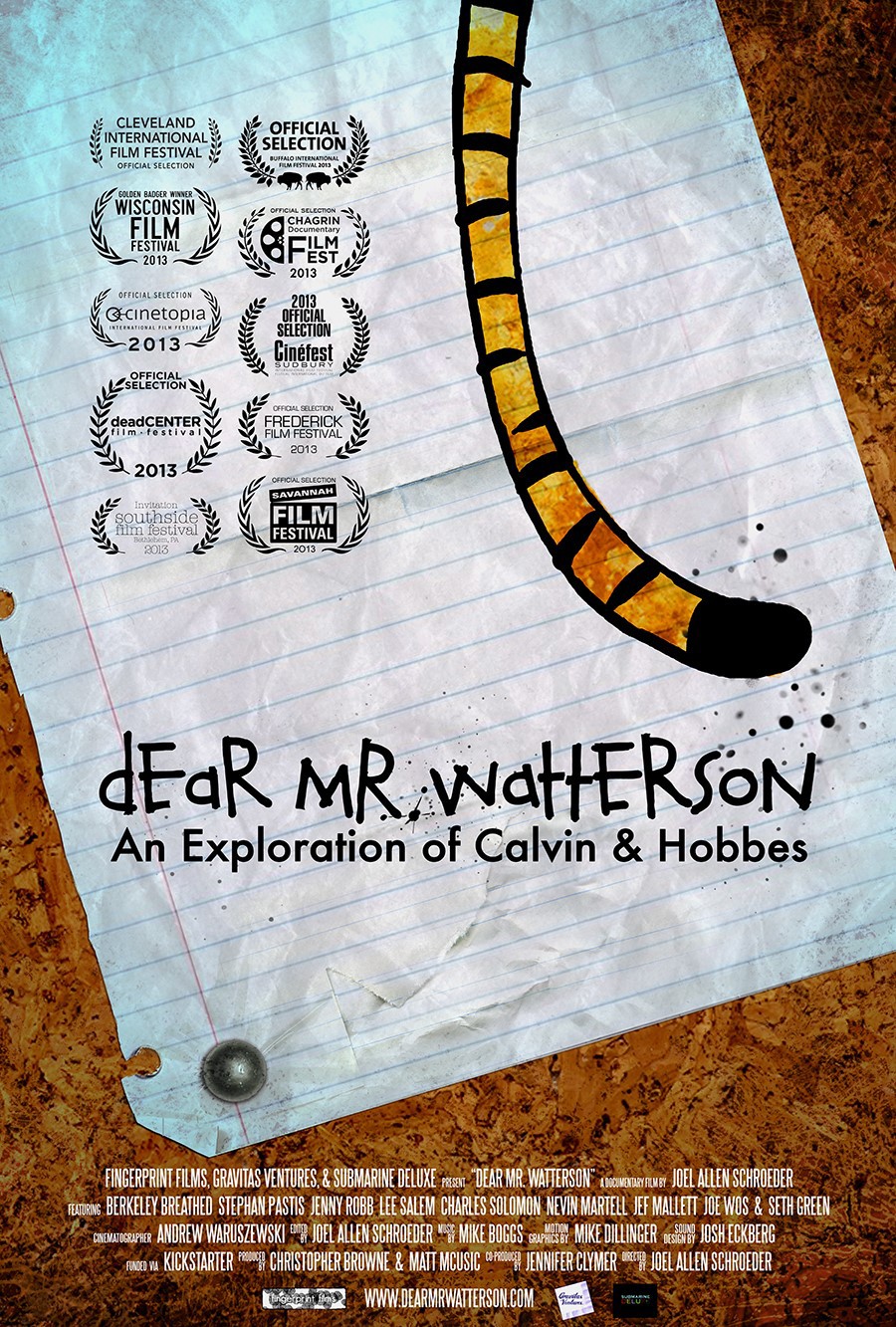
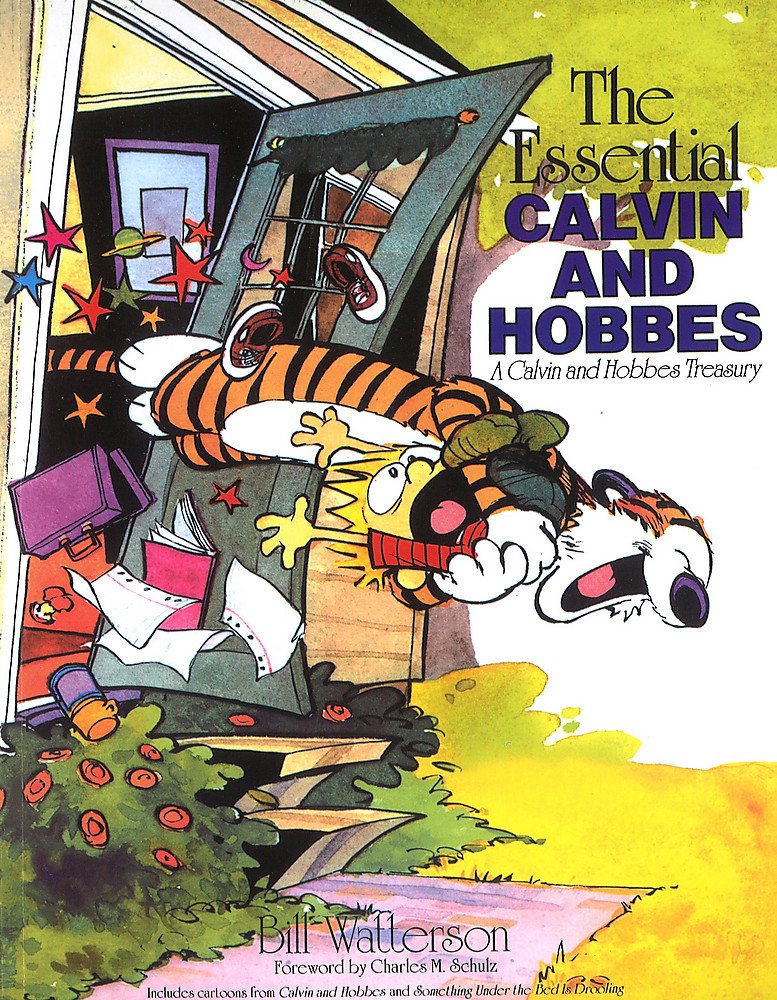


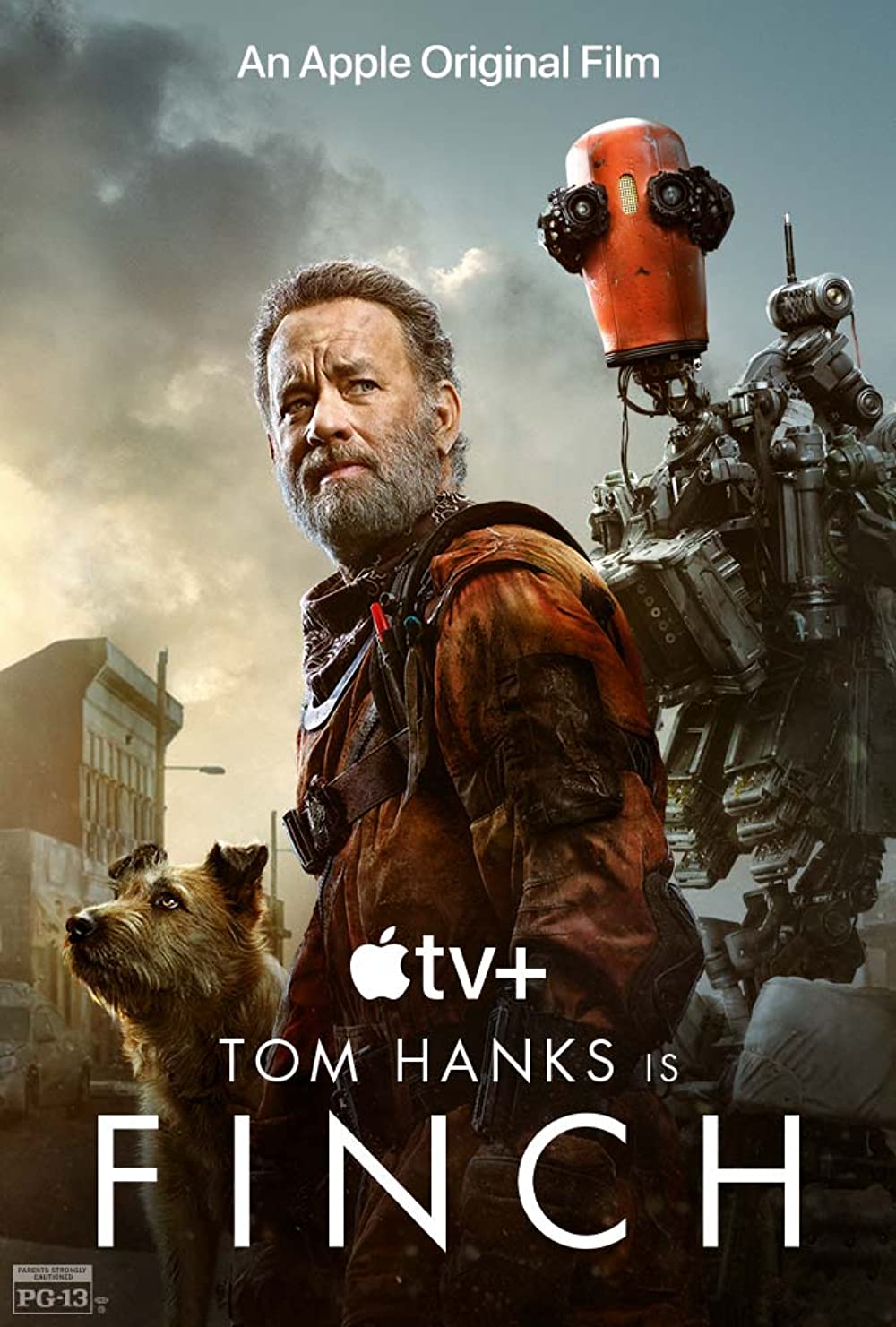

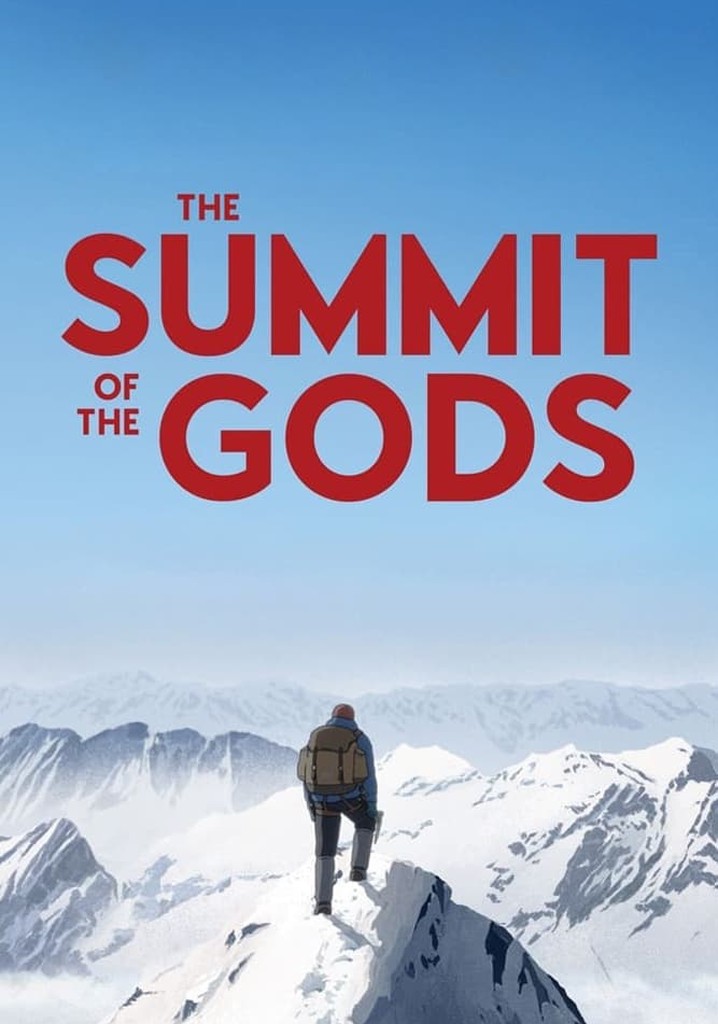
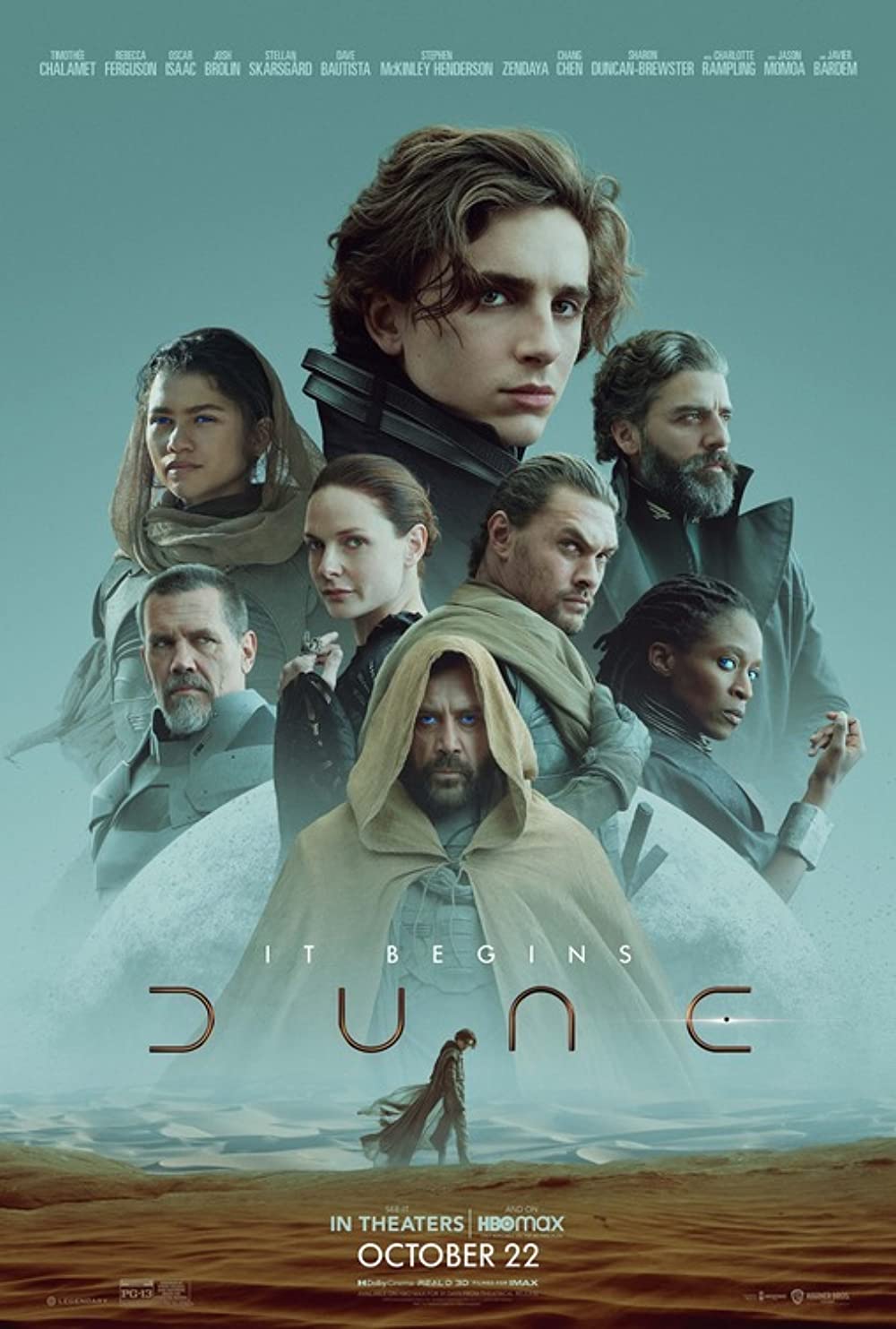



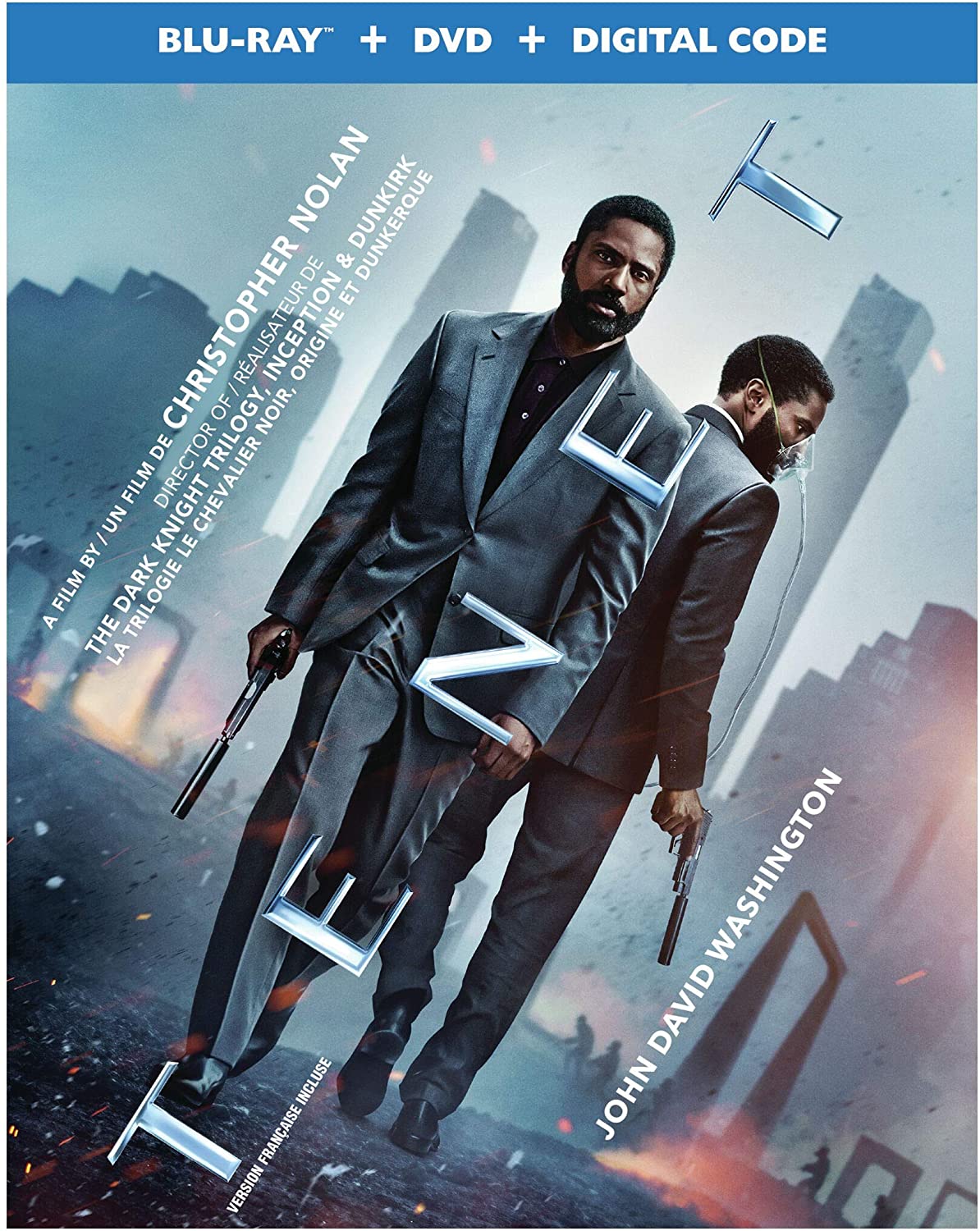

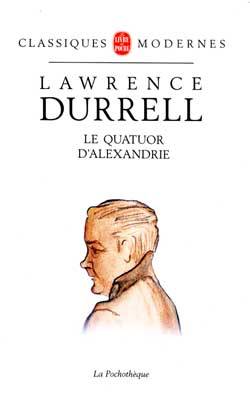

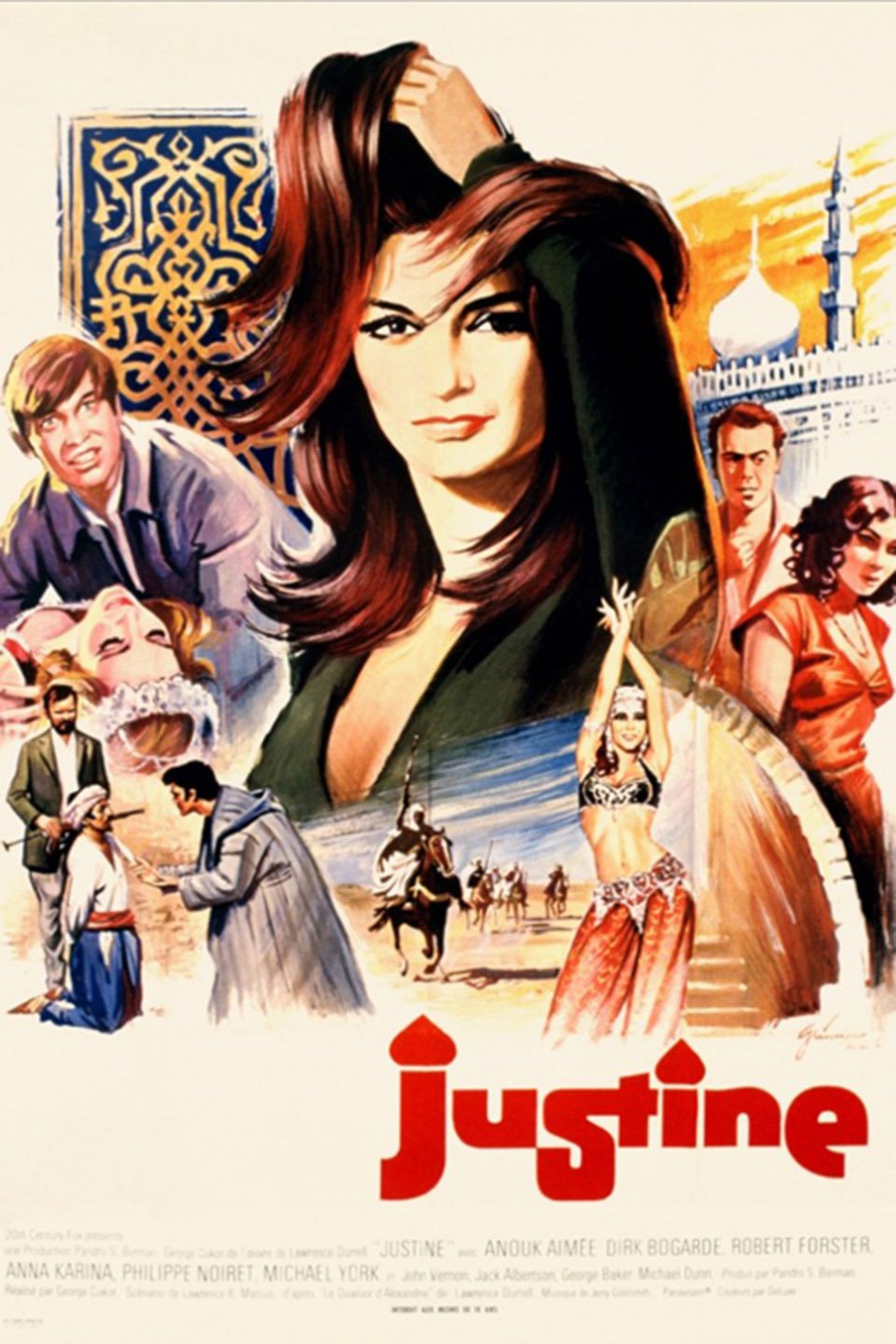




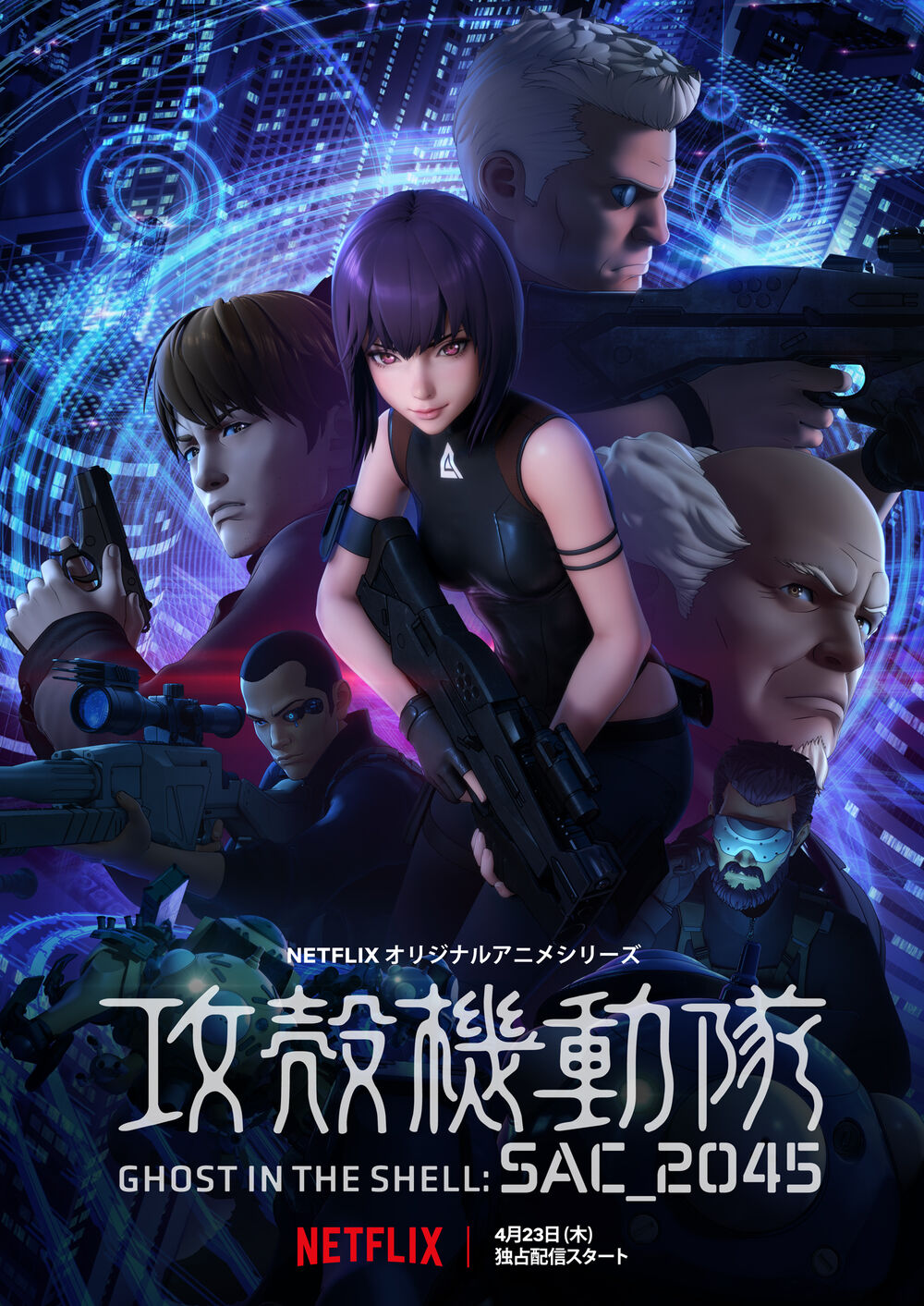



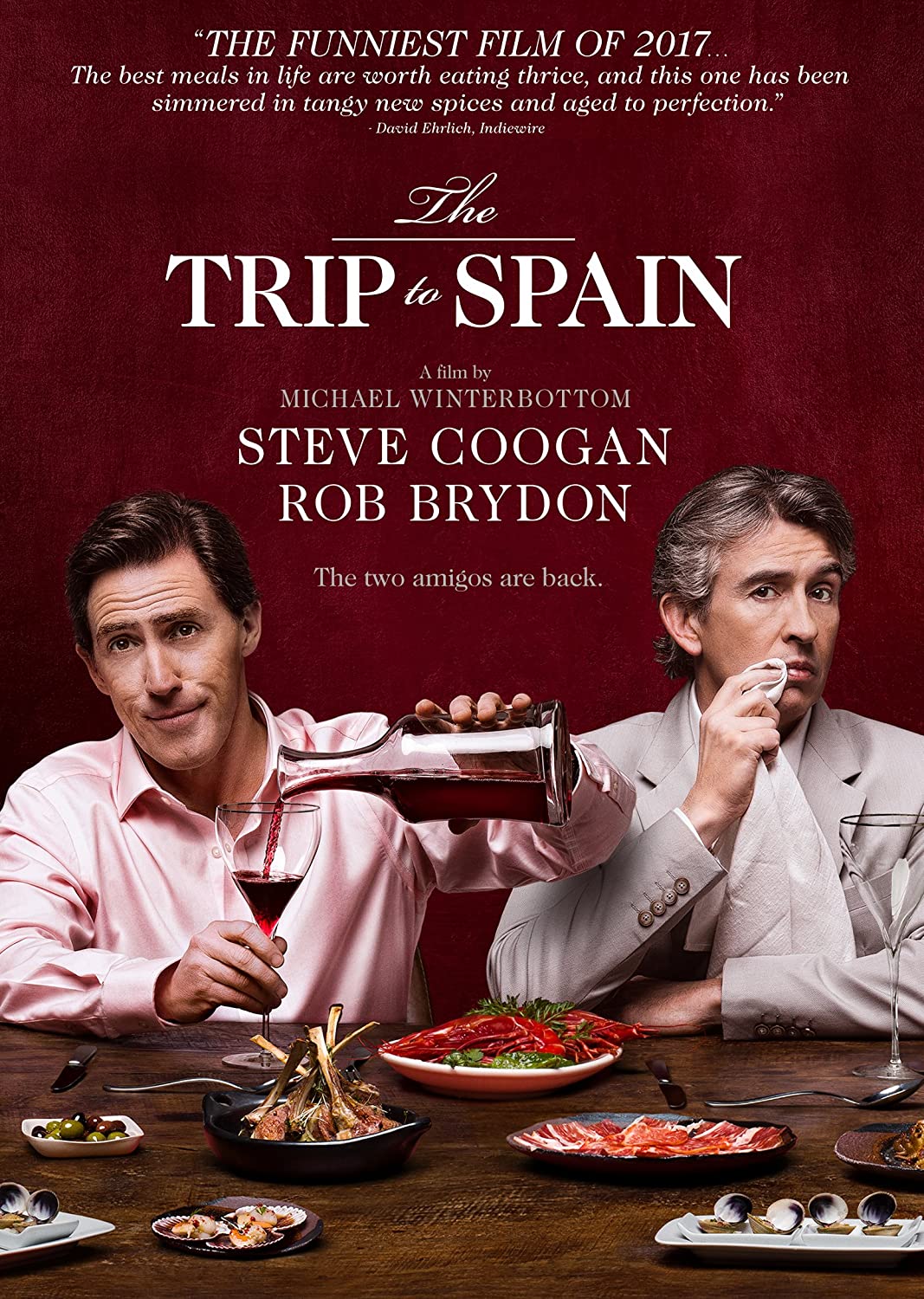
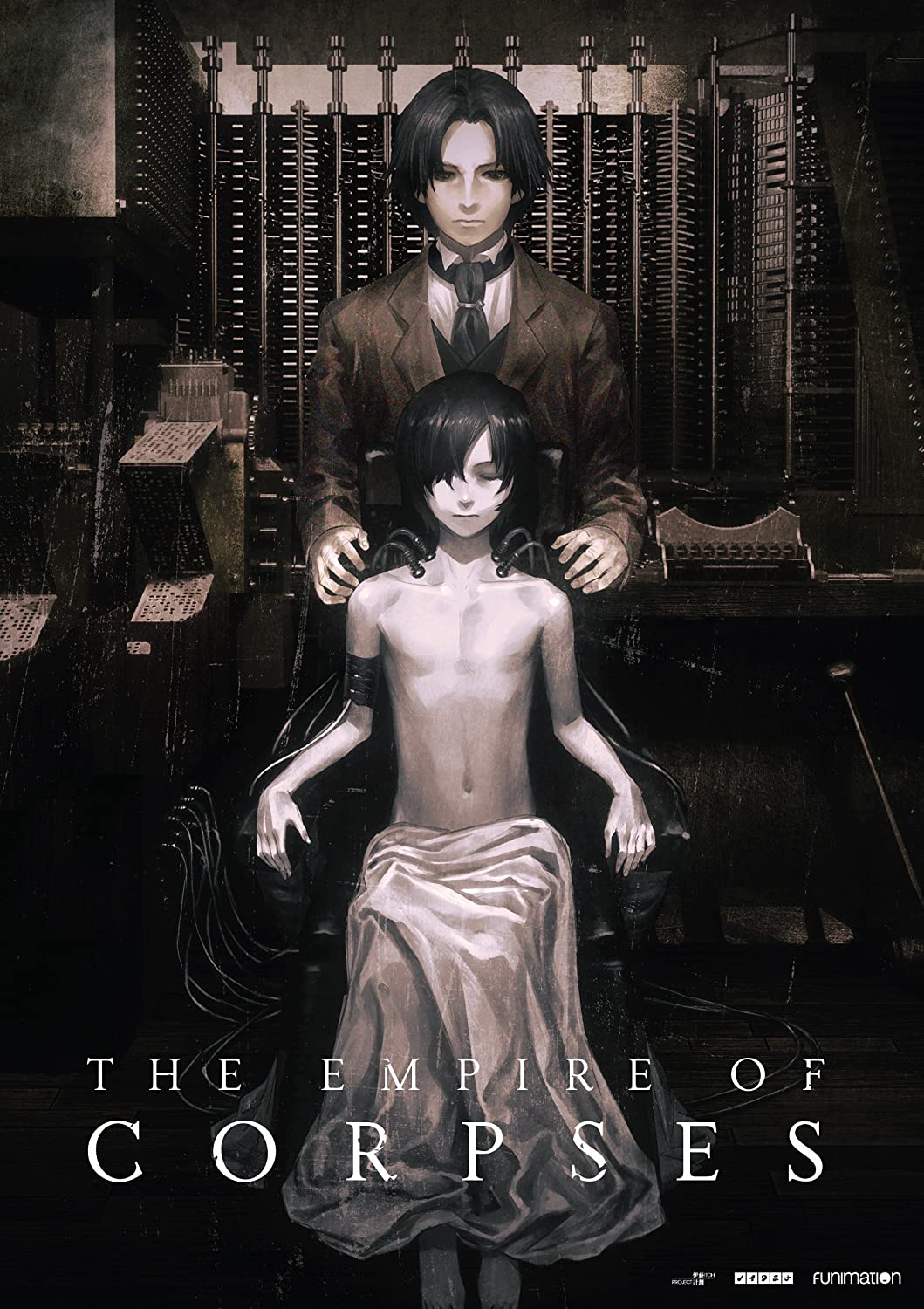


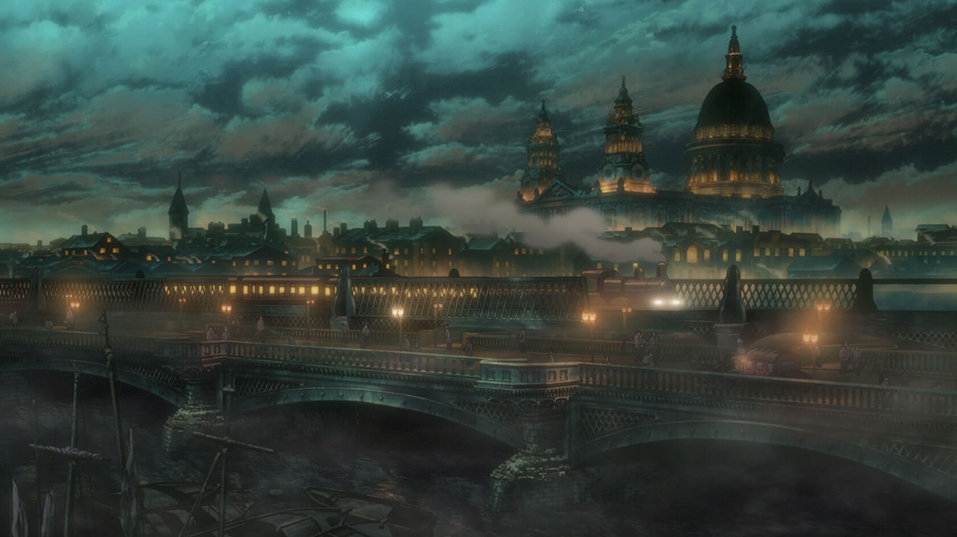

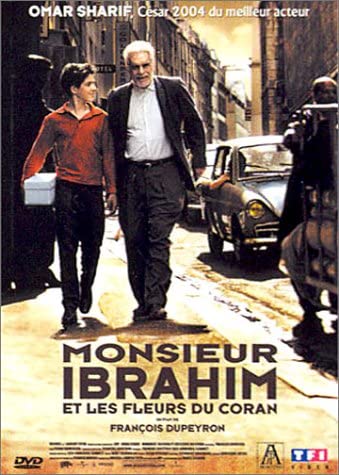


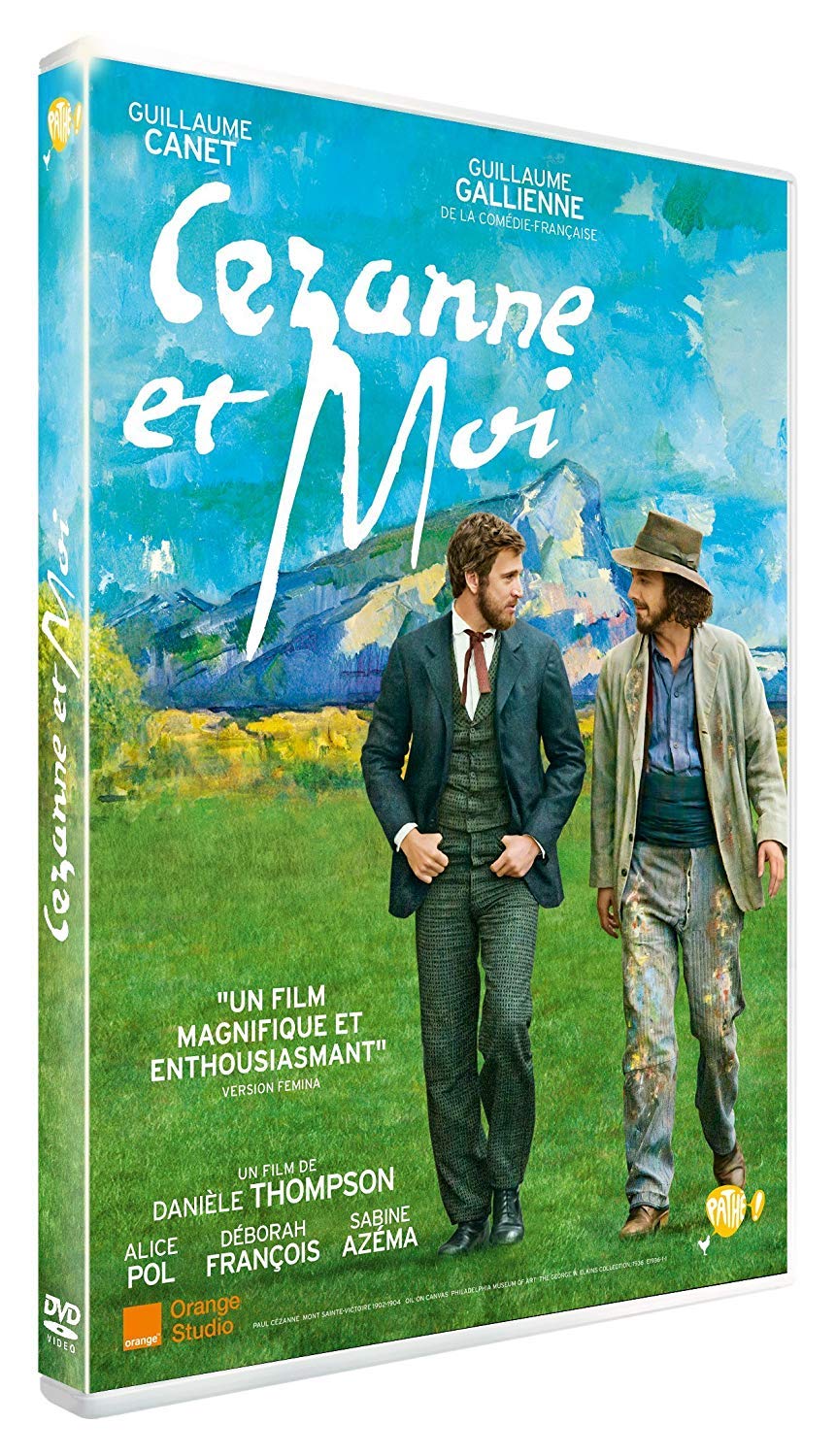


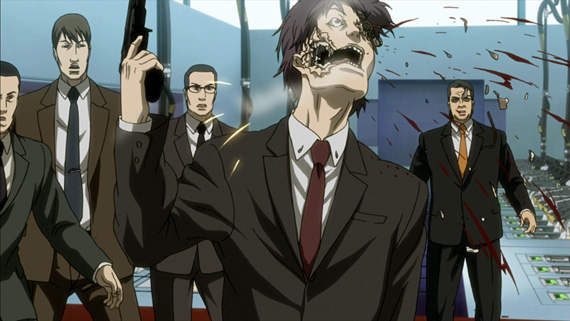






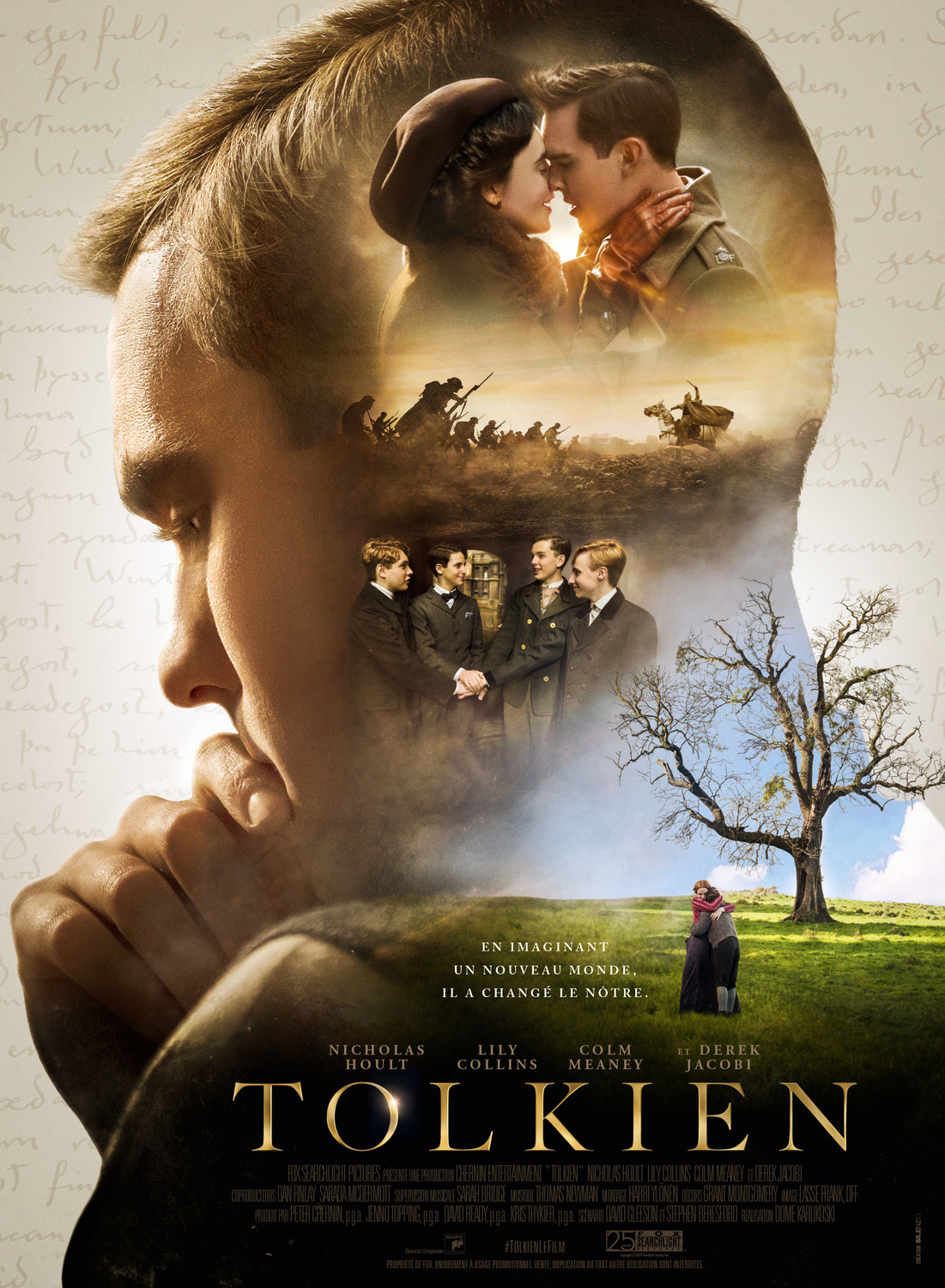



 Clodjee's Safe-House